






What's Happening?
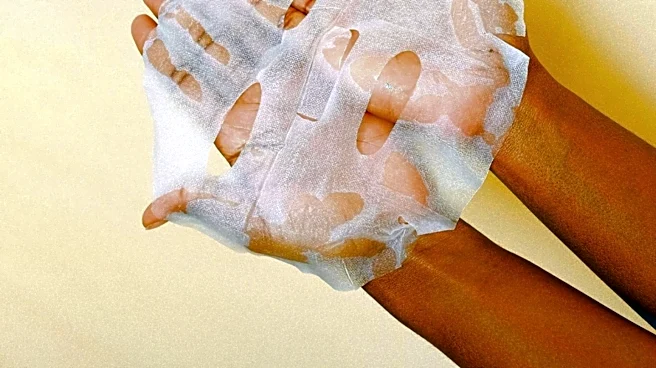
Hydrocolloid bandages, traditionally used for wound care, are gaining popularity as an affordable alternative to pimple patches. These bandages, which are moisture-retentive and made with gel-forming agents like carboxymethylcellulose, gelatin, and pectin,
are being repurposed by consumers to treat acne. The trend has seen significant growth, with hydrocolloid bandages experiencing a 108.9% increase in popularity year over year. On platforms like TikTok, users are showcasing how these bandages can be used to cover larger areas of acne-prone skin, absorbing excess fluid, oil, and impurities. This trend is reflected in the high number of Google searches and TikTok views, with related brands like Band-Aid and Nexcare also seeing increased interest.
Why It's Important?
The shift towards using hydrocolloid bandages as a skincare solution highlights a growing consumer demand for cost-effective and versatile products. This trend could impact the skincare industry by challenging traditional acne treatment products, such as pimple patches, which are often more expensive. The popularity of these bandages on social media platforms like TikTok suggests a shift in consumer behavior towards DIY and budget-friendly skincare solutions. This could lead to increased competition among skincare brands to innovate and offer more affordable options. Additionally, the trend underscores the influence of social media in shaping consumer preferences and driving product popularity.
What's Next?
As the trend of using hydrocolloid bandages for acne treatment continues to grow, skincare brands may respond by developing new products that combine the benefits of hydrocolloid technology with traditional acne treatments. There may also be an increase in marketing efforts to highlight the versatility and cost-effectiveness of these bandages. Furthermore, the trend could lead to more research and development in the area of multi-purpose skincare products, as consumers continue to seek out solutions that offer both efficacy and affordability. The ongoing popularity of this trend on social media platforms suggests that it will continue to influence consumer purchasing decisions in the near future.