



What's Happening?
Dr. Marivi Lao, a physical therapist with Spear Physical Therapy, suggests three specific stretches to combat hip stiffness, particularly for individuals who spend extended periods seated. Prolonged sitting can lead to hip tightness, and these targeted
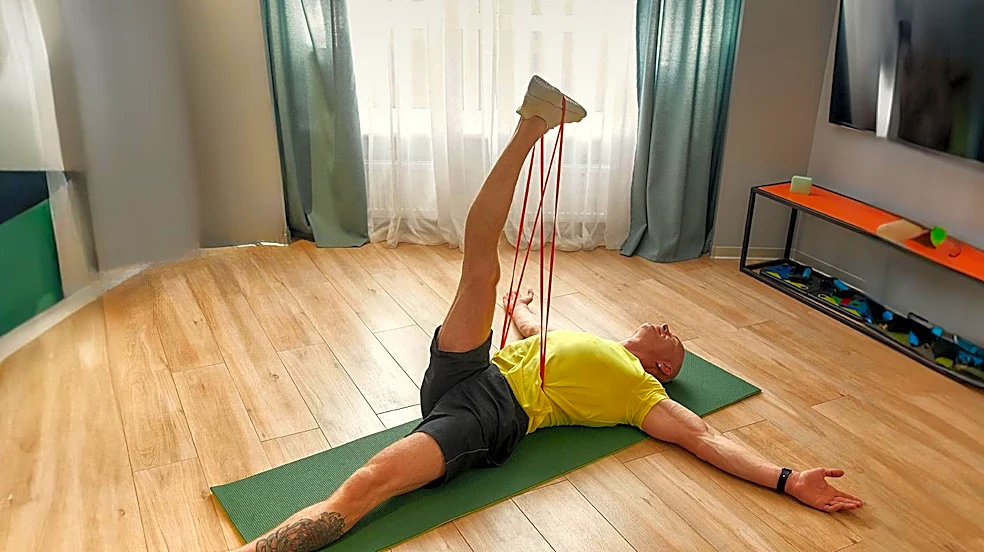
stretches aim to improve flexibility and range of motion. The recommended stretches include the 'Figure Four,' 'Kneeling Hip Flexor Stretch,' and 'Supine Hip Twist.' Dr. Lao advises performing one to three repetitions of each stretch, holding for 20-30 seconds per side, two to four times per week. She emphasizes that stretching should involve a gentle-to-moderate pulling sensation, not pain, and encourages individuals to listen to their bodies and avoid forcing positions. For optimal results, these mobility routines should be combined with hip-strengthening exercises, such as resistance band marches.
Why It's Important?
Maintaining hip mobility is crucial for overall physical well-being, especially as people age or engage in sedentary lifestyles. Stiff hips can restrict daily movements, potentially leading to discomfort or pain. By improving hip flexibility, individuals can enhance their ability to move freely and reduce the risk of injuries. The guidance from a physical therapist underscores the importance of a balanced approach that combines stretching with strengthening exercises. This integrated strategy helps ensure that increased range of motion is supported by adequate muscle strength, preventing imbalances and promoting long-term joint health. The recommendations are particularly relevant for the U.S. population, where many jobs involve prolonged sitting, contributing to widespread issues of stiffness and reduced mobility.
What's Next?
Individuals can incorporate these recommended stretches into their daily or weekly routines to proactively address hip stiffness. Dr. Lao suggests that if stretching feels good, it can be integrated into a daily regimen. Continued practice, alongside targeted hip-strengthening exercises, is expected to yield sustained improvements in hip mobility and overall comfort. Those experiencing persistent pain or significant restriction should consult with a healthcare professional or physical therapist for personalized guidance. The emphasis on gentle, pain-free stretching indicates a shift towards more mindful and body-aware approaches to physical fitness and injury prevention.
Beyond the Headlines
The focus on hip mobility extends beyond mere physical comfort; it touches upon broader aspects of functional independence and quality of life. As the population ages, maintaining mobility becomes increasingly vital for performing everyday tasks and preventing falls. The advice to avoid forcing stretches and to listen to one's body highlights a growing understanding of personalized wellness, moving away from a 'no pain, no gain' mentality. This approach encourages individuals to develop a deeper connection with their physical sensations, fostering sustainable habits that support long-term health rather than short-term, potentially harmful, gains. The integration of stretching with strengthening also reflects a holistic view of physical fitness, recognizing the interconnectedness of flexibility and strength.