






What's Happening?
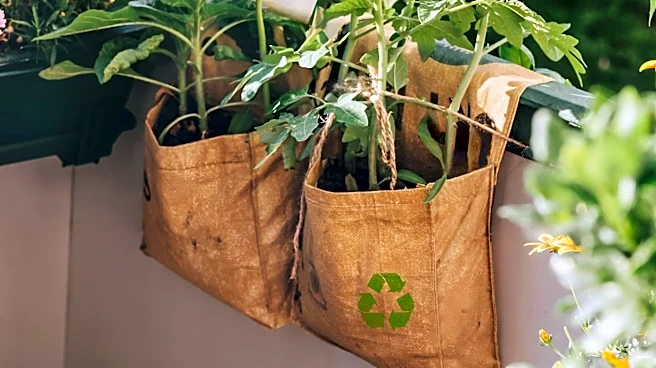
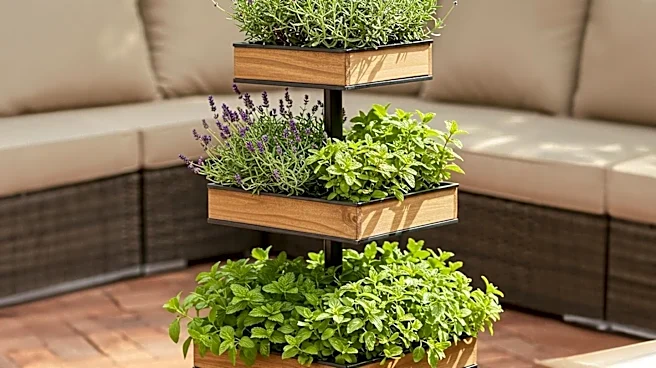
Vertical gardens are being highlighted as an effective method to maximize planting space in compact environments, including small backyards and indoor areas. This gardening technique involves utilizing vertical surfaces like walls and fences to grow a variety
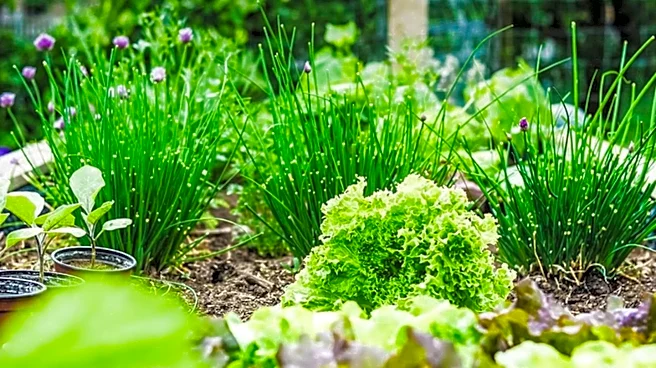
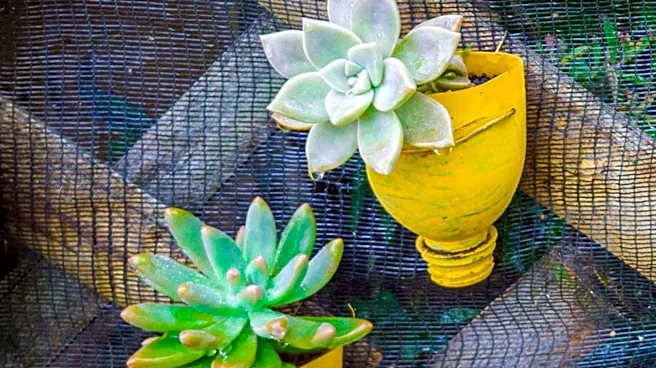
of plants. Methods for creating these gardens include using wall planters, hanging baskets, and specialized vertical gardening systems. The versatility of vertical gardens allows for the cultivation of diverse plant types, such as vining plants, shade-loving species, succulents, and even edible plants. Specific products like the NuVue Mobile Vertical Garden Cart and the GreenStalk Garden Collection from Renee's Garden are noted as available options for individuals interested in implementing vertical gardening solutions. These systems are designed to facilitate the growth of multiple plants in a tiered or stacked arrangement, making them suitable for limited spaces.
Why It's Important?
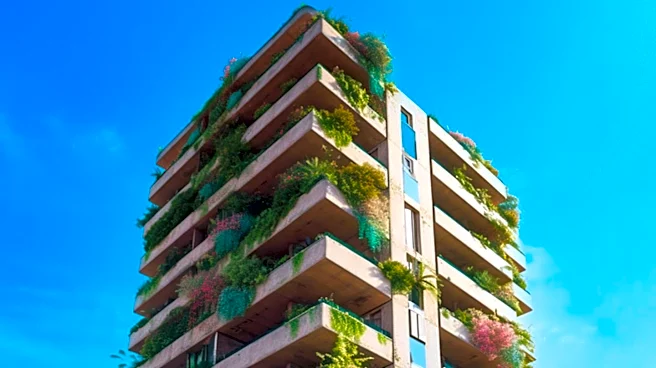
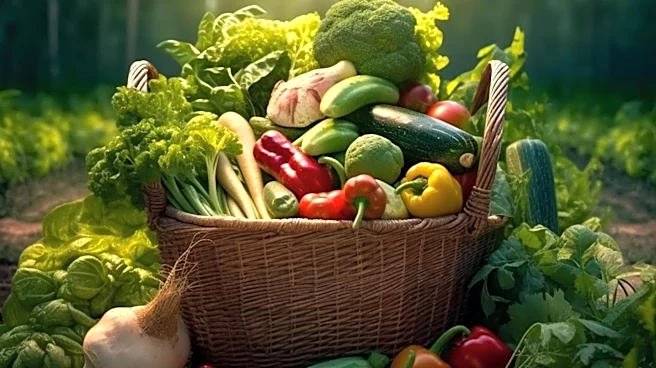
The increasing urbanization and shrinking residential spaces in the U.S. make vertical gardening an important solution for individuals seeking to engage in horticulture. This approach offers a practical way to beautify both indoor and outdoor environments, transforming otherwise unused vertical areas into vibrant green spaces. Beyond aesthetics, vertical gardens provide an accessible and educational activity, particularly for families and urban dwellers who may lack traditional garden plots. The ability to grow edible plants in these systems contributes to local food production and can enhance food security at a household level. Furthermore, the adoption of vertical gardening can promote sustainable living practices by encouraging plant cultivation in diverse settings, potentially reducing the carbon footprint associated with food transportation and supporting biodiversity in urban landscapes.
What's Next?
The trend of vertical gardening is expected to continue growing as more individuals and communities seek innovative ways to incorporate greenery into their lives. Manufacturers are likely to introduce more advanced and user-friendly vertical gardening products, catering to different plant types and aesthetic preferences. Educational initiatives promoting urban gardening and sustainable living may increasingly feature vertical garden techniques as a key component. We may also see more public spaces, such as building facades and community centers, adopting large-scale vertical gardens for both aesthetic and environmental benefits. The integration of smart technology, such as automated watering and lighting systems, could further enhance the efficiency and appeal of vertical gardens, making them even more accessible to a broader audience.
Beyond the Headlines
The rise of vertical gardening extends beyond mere horticultural trends, touching upon broader societal and environmental implications. Ethically, it promotes a deeper connection between urban populations and nature, fostering an appreciation for plant life and ecological balance. Culturally, it represents a shift towards more sustainable and self-sufficient lifestyles, challenging traditional notions of gardening that require extensive land. Legally, urban planning and zoning regulations might evolve to accommodate and encourage vertical green spaces in new constructions and existing buildings. The long-term impact could include improved air quality in urban areas, reduced urban heat island effects, and enhanced psychological well-being for residents. This movement signifies a growing recognition of the importance of green infrastructure in creating healthier, more resilient, and aesthetically pleasing urban environments.