





What's Happening?
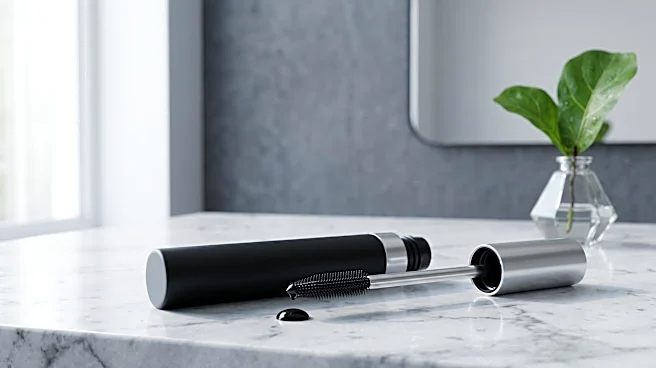
Eco-home refillable products are seeing increased adoption, particularly within the beauty and personal care industries. Companies like Green People are incorporating Post Consumer Recycled (PCR) plastic into their packaging for items such as organic
roll-on deodorants and hand washes, and their COSMOS Organic Certification mandates that packaging be renewable, refillable, or recyclable, with reviews every three years. The Earthling Co. emphasizes conscious gifting with consumable items in plastic-free, recyclable, or compostable materials. While glass is recognized for its luxurious appearance, refillability, and recyclability, its high energy production costs and fragility during transit are noted drawbacks. Conversely, plastic is valued for its protective qualities, low energy production, and lightweight nature for shipping. Many squeezy tubes are now made from PE plastic derived from renewable sugar cane. The trend highlights a growing consumer and industry focus on minimizing plastic use and promoting sustainable packaging solutions.
Why It's Important?
This shift towards eco-home refillable products is important for the U.S. market as it reflects evolving consumer preferences and regulatory pressures for sustainability. The emphasis on refillable and recyclable packaging, along with the use of recycled and plant-based plastics, can reduce landfill waste and the environmental impact of product consumption. For businesses, adopting these practices can enhance brand reputation, attract environmentally conscious consumers, and potentially lead to cost savings in the long run through reduced material use. The challenges associated with glass packaging, such as energy consumption and transit safety, underscore the need for continued innovation in sustainable materials. This trend also encourages a circular economy model, where products and materials are kept in use for as long as possible, benefiting both the environment and the economy by fostering new industries and job opportunities in sustainable packaging and logistics.
What's Next?
The future will likely see continued innovation in sustainable packaging materials and refill systems. Companies will need to balance environmental benefits with practical considerations like cost, product integrity, and consumer convenience. There may be an increase in partnerships between brands and specialized packaging companies to develop more efficient and eco-friendly solutions. Consumers can expect a wider variety of refillable options across different product categories, potentially leading to the expansion of refill stations in retail environments or subscription-based refill services. Regulatory bodies might also introduce new incentives or mandates to encourage the adoption of refillable and recyclable packaging, further accelerating this market shift. The industry will also need to address the energy consumption associated with certain sustainable materials, such as glass, to ensure a truly holistic approach to environmental responsibility.
Beyond the Headlines
The move towards eco-home refillable products signifies a broader cultural shift towards conscious consumption and environmental responsibility. This trend challenges the traditional linear economy model of 'take-make-dispose' and promotes a more circular approach. It also raises ethical considerations regarding corporate responsibility in mitigating environmental impact and the role of consumer choices in driving market change. The emphasis on 'conscious gifting' and 'eco-swaps' suggests a growing awareness among consumers about the lifecycle of products and their packaging. This could lead to a re-evaluation of what constitutes 'value' in consumer goods, moving beyond mere functionality to include environmental and social impact. The long-term implications could include a significant reduction in plastic pollution, a more resource-efficient economy, and a greater demand for transparency from brands regarding their environmental practices.