









What's Happening?
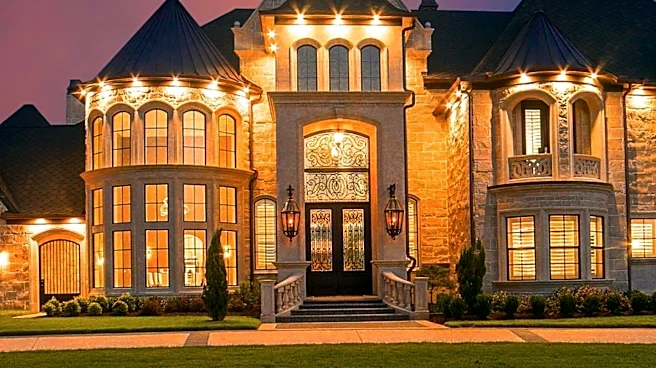
A recent report from Redfin reveals that luxury homes in five U.S. metro areas can still be purchased for under $1 million. Detroit leads the list with a median luxury home price of $719,252, which is significantly lower than the national median of $1.37
million for luxury homes. Other cities offering affordable luxury real estate include Cleveland, Cincinnati, Pittsburgh, and San Antonio, with median prices ranging from approximately $833,228 to $968,344. The report highlights a trend where luxury home prices in these areas are considerably lower compared to major coastal cities like San Francisco and Los Angeles, where median prices exceed $4.5 million. The demand for luxury homes continues to outpace the general market, with a 4.7% year-over-year increase in median luxury home prices, compared to a 1.5% increase in non-luxury home prices.
Why It's Important?
The availability of affordable luxury homes in certain U.S. cities presents significant opportunities for homebuyers seeking high-end properties without the exorbitant price tags found in coastal areas. This trend could attract more buyers to these regions, potentially boosting local economies and real estate markets. The disparity in luxury home prices between these cities and major coastal areas underscores the ongoing challenges of housing affordability in the U.S. As more people consider relocating to areas with lower housing costs, these cities could experience demographic shifts and increased demand for local services and infrastructure. Additionally, the continued rise in luxury home prices highlights the growing wealth gap and the challenges faced by average Americans in accessing high-end real estate.
What's Next?
As the trend of affordable luxury homes in certain metro areas continues, it is likely that these regions will see an influx of new residents, particularly from more expensive coastal cities. This could lead to increased competition in the local housing markets, potentially driving up prices over time. Real estate developers and local governments may need to address the growing demand by investing in infrastructure and services to accommodate new residents. Additionally, the ongoing disparity in housing affordability may prompt policymakers to consider measures to address the wealth gap and ensure broader access to high-quality housing across the country.