







What's Happening?
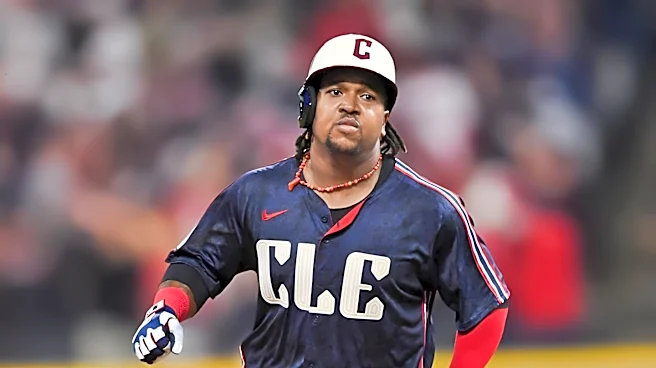
The trial for Cleveland Guardians pitchers Emmanuel Clase de la Cruz and Luis Leandro Ortiz Ribera commenced Monday with jury selection in a New York federal court. Both players are accused of participating in a pitch-rigging scheme for betting purposes.
Clase and Ortiz face charges including conspiracy to commit wire and honest services fraud, sports bribery, and money laundering. Prosecutors allege that Clase rigged at least 18 pitches across 17 games between May 2023 and May 2025, often by intentionally throwing balls or tipping off bettors about off-speed pitches. He allegedly used code words like 'rooster' and 'chicken' to communicate with co-defendants Robinson Vásquez Germosen and Luis Arismendy Paca Méndez, who then placed over 100 wagers, winning at least $400,000. Ortiz is accused of manipulating two pitches in two games in June 2025. Both pitchers have pleaded not guilty, with their attorneys arguing that Clase's pitches were part of normal baseball strategy and that Ortiz had no communication with the bettors. The alleged scheme came to light after sportsbooks flagged unusual betting activity on Ortiz's pitches.
Why It's Important?
This trial marks a significant moment as it is the first federal sports gambling case involving alleged performance manipulation by professional or college athletes to go to trial in the past three years. The outcome could set a precedent for how similar cases are prosecuted and impact the integrity of professional sports, particularly Major League Baseball (MLB). The charges, which include wire fraud and money laundering, carry substantial maximum prison sentences, highlighting the severity with which federal authorities view such offenses. The case also brings into focus the growing intersection of professional sports and legal sports betting, raising questions about player oversight and the mechanisms in place to detect and prevent fraudulent activities. The involvement of major sportsbooks like DraftKings, FanDuel, and ESPN BET underscores the broad reach of this issue within the sports betting industry. The MLB has already responded by asking sportsbooks to limit individual pitch wagers, indicating a proactive stance to mitigate future risks.
What's Next?
The trial, overseen by Judge Kiyo A. Matsumoto, is estimated by the government to last three weeks. Jury selection is underway, after which opening statements will be delivered. Key witnesses are expected to include Cleveland Guardians front office personnel, coaches, catchers, and officials from MLB and DraftKings. The prosecution will aim to prove that the pitchers intentionally manipulated games for financial gain, while the defense will argue that their actions were legitimate baseball strategy or that they were not involved in any conspiracy. A Spanish-language interpreter will be part of the proceedings due to disputes over the translation of evidence. Depending on the verdict, Clase and Ortiz could face significant prison sentences and further disciplinary action from MLB, which has already placed them on non-disciplinary paid leave since July 2025. The trial's conclusion will likely influence future policies regarding athlete conduct and betting integrity across professional sports leagues.
Beyond the Headlines
This case delves into the ethical complexities of professional sports in an era of widespread legal sports betting. The allegations of players manipulating game outcomes for personal financial gain strike at the core of fair play and competitive integrity, potentially eroding public trust in sports. The defense's argument that certain pitches could be interpreted as either strategic or nefarious highlights the subjective nature of on-field actions and the challenge of proving intent in such schemes. Furthermore, the revelation of Clase's alleged IRS debt, though ruled inadmissible for trial, points to potential financial pressures that could motivate athletes to engage in illicit activities. This trial could prompt deeper discussions within sports organizations about financial literacy programs for athletes, stricter monitoring of betting patterns, and enhanced educational initiatives on the severe consequences of sports bribery and fraud. The outcome will not only affect the careers of the accused but also contribute to the ongoing evolution of regulations governing sports and betting.