




What's Happening?
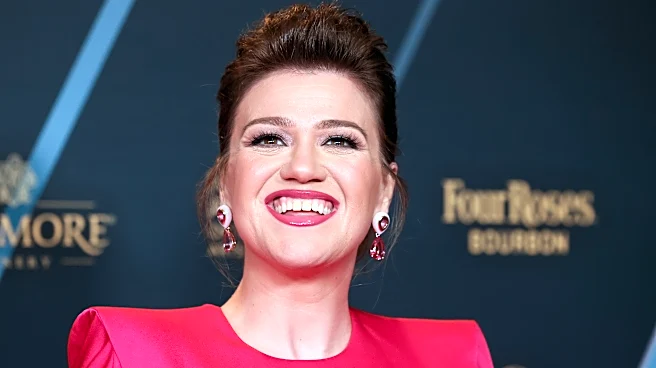
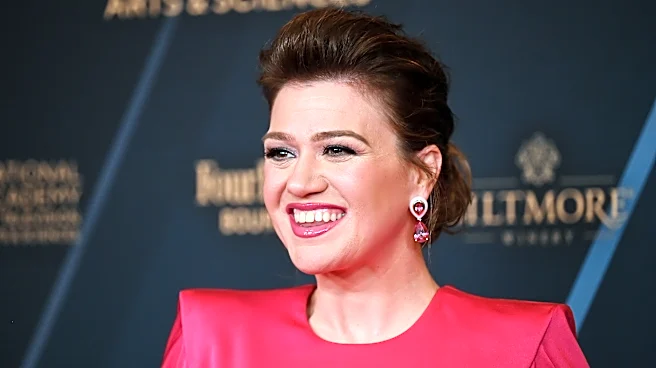
Singer Kelly Clarkson has publicly accused a Brooklyn, New York, curiosity shop, Art of Play, of mistreating her during a recent visit. Clarkson claimed she was 'looked at as if I couldn’t afford it' and was offered 'something comparable' when she inquired
about an item, likening the experience to a scene from the movie 'Pretty Woman.' She detailed her experience on social media, stating she had intended to make significant purchases. Art of Play responded via Instagram, asserting that the item Clarkson was interested in, a 'singing and dancing bird automaton' named Molly, was a permanent fixture and not for sale. The store expressed surprise at the widespread outrage following Clarkson's post. Clarkson then countered, alleging the item had a price tag and that a sales associate condescendingly informed her it cost $15,000 before offering cheaper alternatives. She further accused the store of being 'rude' and 'a liar.' The store subsequently clarified that Clarkson spent only five minutes inside and reiterated their stance, referencing Clarkson's song 'Stronger' in their follow-up statement.
Why It's Important?
This public dispute highlights the significant influence celebrities wield on social media and the immediate impact their statements can have on small businesses. Clarkson's initial post quickly garnered widespread attention, leading to a surge of negative sentiment towards Art of Play from her millions of followers. This incident underscores the challenges businesses face in managing their online reputation, especially when confronted with celebrity criticism, regardless of the factual nuances of the situation. It also brings to light broader issues of perceived classism or judgmental customer service in retail, which can resonate deeply with consumers. For Art of Play, a small local business, the sudden influx of negative attention from a global audience could significantly affect its brand image and sales, demonstrating the disproportionate power dynamics in such public disagreements.
What's Next?
The immediate aftermath of this dispute will likely involve continued public discussion and scrutiny of both Kelly Clarkson's claims and Art of Play's defense. Social media users may continue to weigh in, potentially leading to further online debate and divided opinions. For Art of Play, managing its online presence and reputation will be crucial; they may need to consider further public statements or actions to mitigate the negative impact. This incident could also prompt other businesses to review their customer service policies and staff training to prevent similar public relations crises. There is a possibility that the story could fade as other news emerges, or it could be picked up by broader media outlets, extending its reach and impact. The long-term effect on Art of Play's business will depend on how effectively they navigate the ongoing public perception.
Beyond the Headlines
This incident delves into deeper societal implications regarding consumer perception, celebrity culture, and the power of digital platforms. It raises questions about the responsibility of public figures when sharing negative experiences, particularly concerning small businesses that may lack the resources to combat widespread criticism. The 'Pretty Woman' analogy used by Clarkson taps into a common narrative of perceived judgment based on appearance or assumed wealth, resonating with many who have felt similar treatment. This highlights underlying issues of consumer profiling and the desire for equitable treatment in commercial spaces. Furthermore, the rapid escalation of the dispute on social media underscores the platform's role as both a powerful tool for consumer advocacy and a potential arena for swift, impactful, and sometimes disproportionate public shaming, prompting reflection on digital etiquette and accountability.