

What's Happening?
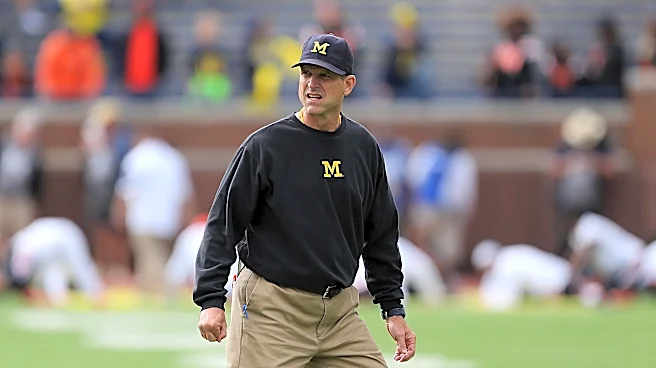
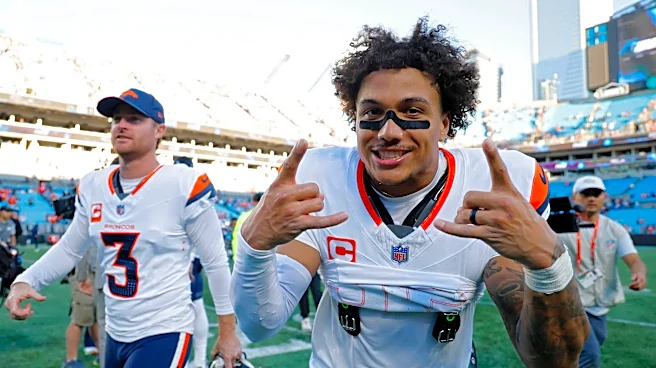
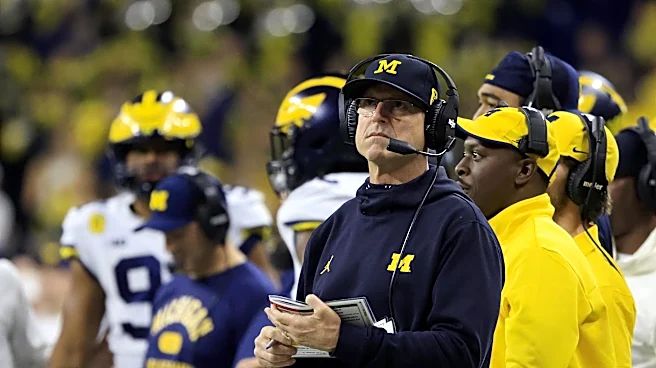
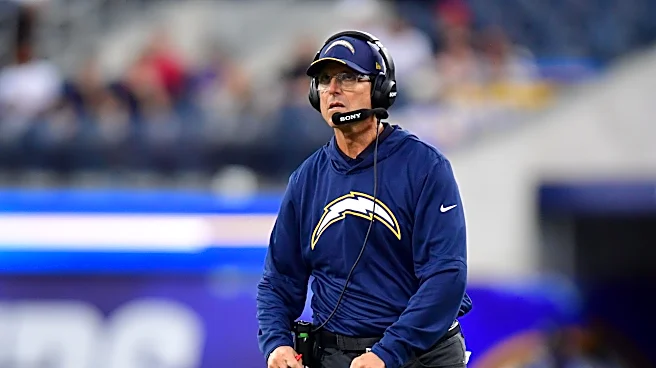
Jim Harbaugh, head coach of the Los Angeles Chargers, is advocating for the NFL to address a loophole in its trade system. This call for action comes after a trade involving Chargers linebacker Daiyan Henley with the Denver Broncos fell apart. The Broncos reportedly
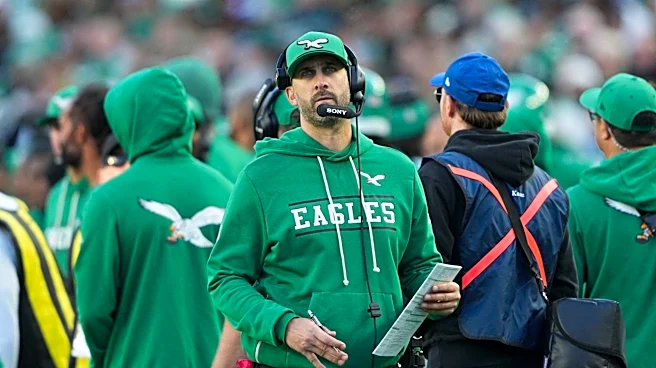
attempted to renegotiate the agreed-upon draft compensation after Henley's physical revealed arthritis in his knee, leading the Chargers to void the deal. Harbaugh expressed his frustration, stating that such loopholes set a bad precedent and should be closed to prevent teams from backing out of finalized agreements. The NFL's Competition Committee is expected to discuss potential solutions to these trade-related issues, which have affected multiple teams this season, including the Cincinnati Bengals, Philadelphia Eagles, Detroit Lions, New York Jets, Las Vegas Raiders, and Baltimore Ravens. The Chargers are currently experiencing a challenging season, holding an 0-8 record.
Why It's Important?
The NFL's consideration of changes to its trade procedures, spurred by Coach Harbaugh's demands and other incidents, carries significant implications for team management and player transactions across the league. A more stringent system for trade agreements could provide greater stability and fairness, ensuring that verbal or initial agreements are honored. This would protect teams from last-minute renegotiations or voided deals that can disrupt roster planning and player morale. For players like Daiyan Henley, who was caught in the middle of the failed trade, clearer rules would reduce uncertainty and potential emotional distress. The current situation highlights a vulnerability in the NFL's operational framework, where medical evaluations or other factors can be leveraged to alter terms post-agreement. Addressing this loophole is crucial for maintaining the integrity of the trade deadline and fostering trust among franchises, ultimately impacting competitive balance and strategic decision-making for all 32 teams.
What's Next?
The NFL's Competition Committee is slated to discuss potential fixes to the trade system before the next league year. One proposed solution involves eliminating post-agreement renegotiations, which would mean that if a player fails a physical or raises medical concerns, the acquiring team would only have the option to accept the original trade terms or void it entirely, without seeking a discount. Any changes to the trade regulations would require a formal vote and approval from all 32 team owners, as neither the NFL office nor the Competition Committee can unilaterally alter these rules. Meanwhile, Coach Harbaugh continues to lead the Chargers through their difficult 0-8 season, with ongoing media scrutiny regarding the team's performance and the responsibilities of the front office and coaching staff.
Beyond the Headlines
The debate over the NFL's trade loophole extends beyond mere procedural adjustments; it touches upon the ethical considerations of business dealings in professional sports. The practice of renegotiating terms after an initial agreement, particularly following a player's physical, raises questions about fair play and transparency. While teams have a right to protect their investments, using medical findings to leverage a better deal after an agreement is in place can be seen as exploitative. This situation also underscores the precarious position of players, who can be treated as commodities in trade negotiations, with their careers and personal lives subject to sudden shifts based on team decisions. The league's response to this issue will set a precedent for how player welfare and contractual integrity are balanced against competitive and financial interests, potentially influencing future collective bargaining agreements and the overall culture of player transactions in professional football.