





What's Happening?
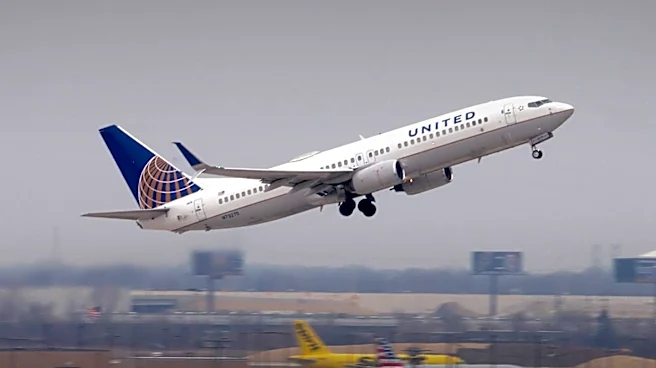
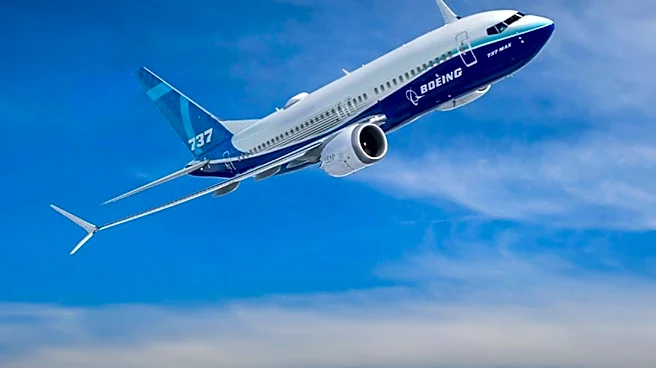
United Airlines is currently storing hundreds of premium lie-flat seats that were intended for its Boeing 737 MAX 10 fleet. The airline had ordered over 165 of these jets, with initial plans for them to begin flying by 2020. However, certification delays
for the 737 MAX 10, stemming from issues such as a redesign of an anti-icing system and increased scrutiny following past safety and manufacturing problems, have pushed back the expected delivery of the aircraft to summer 2027. United's CEO, Scott Kirby, noted that these specialized seats do not fit on other aircraft in their fleet, leaving them in storage. While Boeing has reportedly completed final test flights for the MAX 10, and federal approval is believed to be nearing, United anticipates receiving its first deliveries in summer 2027, with up to 20 jets by the end of that year. The airline is now faced with decisions regarding the final cabin layout for the MAX 10, as its original seating plans are outdated.
Why It's Important?
This situation highlights the significant impact of manufacturing and certification delays on airline operations and strategic planning within the U.S. aviation industry. United Airlines' inability to deploy hundreds of premium lie-flat seats represents a substantial financial and operational challenge. These seats are a key component of the airline's premium strategy, aimed at enhancing profitability on transcontinental routes. The delay means lost revenue opportunities from premium cabin sales and inefficient capital allocation, as the stored seats represent a considerable investment. Furthermore, it forces United to adapt its fleet strategy, as evidenced by its decision to fit Airbus A321neo jets with new Polaris suites as a stopgap measure. This scenario underscores the interconnectedness of aircraft manufacturers and airlines, where delays from one can ripple through the entire operational and financial structure of the other, affecting service offerings and competitive positioning in the market.
What's Next?
United Airlines is awaiting the final federal approval for the Boeing 737 MAX 10, which is expected to pave the way for deliveries starting in summer 2027. Once certified, United will need to finalize the cabin configuration for its MAX 10 fleet, potentially adjusting the number of premium seats from its original plans. The airline may opt for a higher-density domestic configuration with fewer premium seats, as suggested by some reports. The integration of these new aircraft will be a complex process, involving the installation of the stored seats, crew training, and the strategic deployment of the MAX 10s on appropriate routes. Meanwhile, United will continue to rely on its Airbus A321neo 'Coastliner' jets to meet narrowbody premium demand on key U.S. routes. The successful certification and delivery of the MAX 10 will be a critical step for both Boeing and United, allowing the airline to finally implement its long-term premium strategy and utilize its stored assets.
Beyond the Headlines
The predicament faced by United Airlines with its stored premium seats extends beyond immediate financial and operational concerns, touching upon broader issues of supply chain reliability and strategic foresight in the aerospace sector. This situation underscores the inherent risks associated with long lead times in aircraft manufacturing and the complex regulatory environment governing aviation. Airlines often make significant investments in cabin interiors well in advance of aircraft delivery, relying on projected timelines. When these timelines are disrupted, it can lead to substantial inefficiencies and force airlines to re-evaluate their entire fleet and service strategies. This incident also highlights the competitive dynamics between aircraft manufacturers, as airlines may increasingly diversify their orders across different suppliers to mitigate risks associated with delays from a single manufacturer. Ultimately, it prompts a re-examination of how airlines and manufacturers can better collaborate to manage expectations and minimize the impact of unforeseen delays on both operational and financial performance.