



What's Happening?
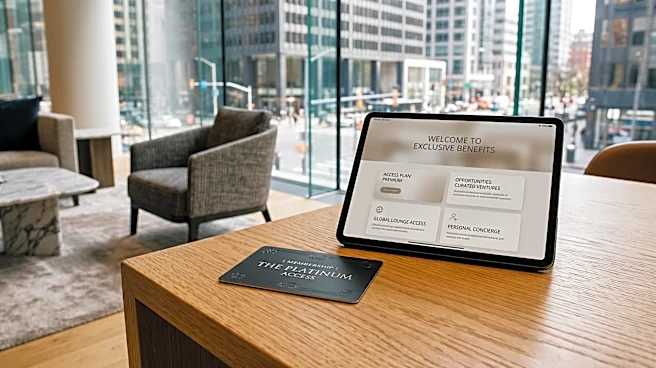
Bilt, initially known for its residential property technology and rewards program for rent and mortgage payments, is expanding its offerings into local businesses and event venues. The company has launched two new platforms: Neighborhood OS and a membership
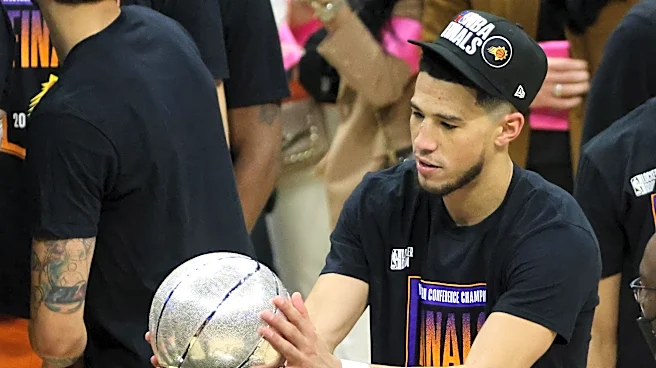
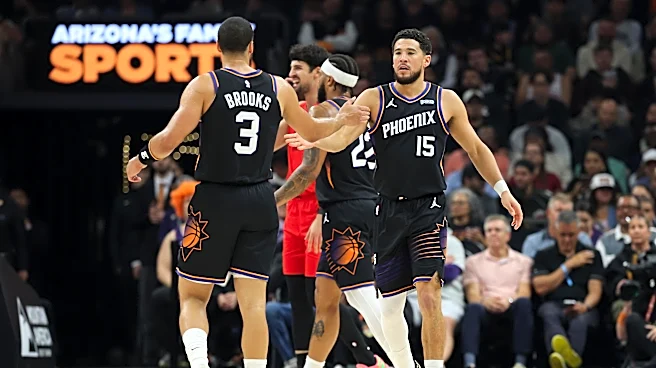
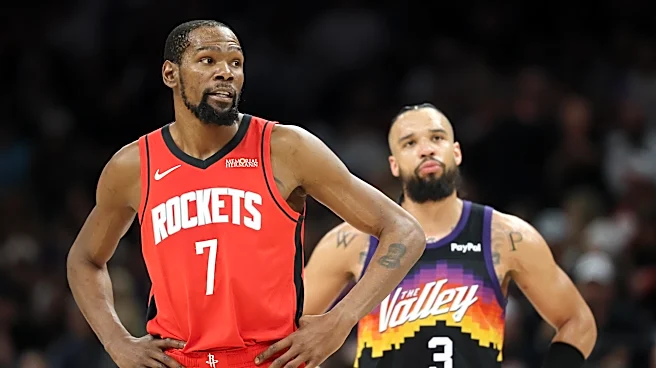
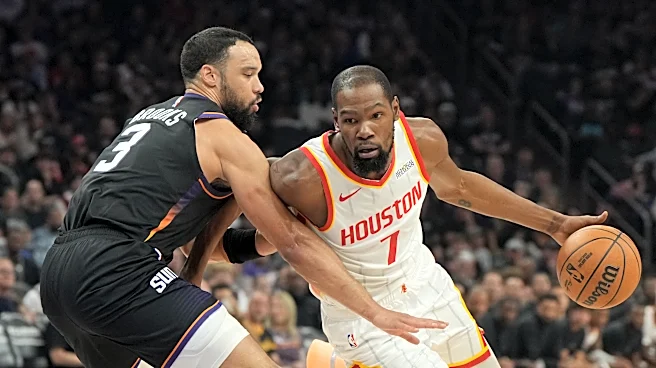
platform for organizations with existing customer bases. Neighborhood OS is an AI-driven system designed for local businesses such as restaurants, retailers, and gyms. It aims to attract new customers, offer rewards, and encourage repeat business by integrating with existing business systems like reservations and payments. Ankur Jain, founder and CEO of Bilt, stated that this platform provides local merchants with a 'Shopify-like platform' for marketing and loyalty campaigns. The second offering is a membership platform for organizations like sports teams, property companies, hotels, and financial institutions, allowing them to enhance their existing loyalty programs by connecting with Bilt's participating merchants and technology. Initial partners for these new ventures include Altamarea Group, Lowe's, Thumbtack, the Houston Rockets, Phoenix Suns, Sacramento Kings, Related Companies, Hyatt, Constellation Brands, and Bozzuto.
Why It's Important?
Bilt's expansion signifies a strategic move to leverage its established technology and member base beyond the residential real estate sector, tapping into the broader local commerce and loyalty market. This is important because it provides small and medium-sized businesses with sophisticated AI-powered tools that were previously only accessible to larger corporations, democratizing marketing and loyalty program capabilities. By connecting local businesses with Bilt's 8.2 million members, it creates new revenue streams and customer engagement opportunities for merchants. For professional sports teams and other large organizations, the new membership platform allows them to deepen fan engagement and offer more comprehensive loyalty benefits, extending the fan experience beyond game days. This initiative could revitalize local economies by driving more traffic and spending to neighborhood businesses, while also enhancing customer loyalty across various sectors. Toby Bozzuto, president and CEO of Bozzuto, emphasized that the neighborhood is a key amenity for residents, and this partnership makes that amenity more meaningful.
What's Next?
Bilt is expected to continue onboarding more local businesses, hospitality venues, and major sports franchises onto its new platforms. The company will likely focus on demonstrating the effectiveness of Neighborhood OS in driving customer engagement and revenue for participating merchants. Further integration with existing business systems and expansion of AI capabilities to offer more personalized marketing and loyalty solutions are anticipated. For sports teams, the development of unique, branded fan experiences that integrate local commerce will be a key area of focus. The success of these new platforms could lead to Bilt becoming a dominant player in the local commerce and loyalty technology space, potentially attracting more strategic partnerships and investments. The company's growth will depend on its ability to continuously innovate and provide value to both businesses and consumers.
Beyond the Headlines
Bilt's expansion reflects a broader trend of technology companies seeking to bridge the gap between digital platforms and physical commerce, particularly in local economies. This move highlights the increasing importance of integrated loyalty programs that offer seamless experiences across various touchpoints—from residential payments to local dining and entertainment. Ethically, by empowering small businesses with advanced tools, Bilt could help level the playing field against larger online retailers, fostering local economic resilience. The use of AI in tracking customer behavior and tailoring rewards raises questions about data privacy and personalized marketing, which will require careful management. Culturally, this initiative could strengthen community ties by encouraging residents to support local businesses and participate in neighborhood activities, transforming how people interact with their local environment and the businesses within it. It also signifies a shift towards a more interconnected urban ecosystem where loyalty and rewards extend beyond single transactions to encompass an entire lifestyle.