








What's Happening?
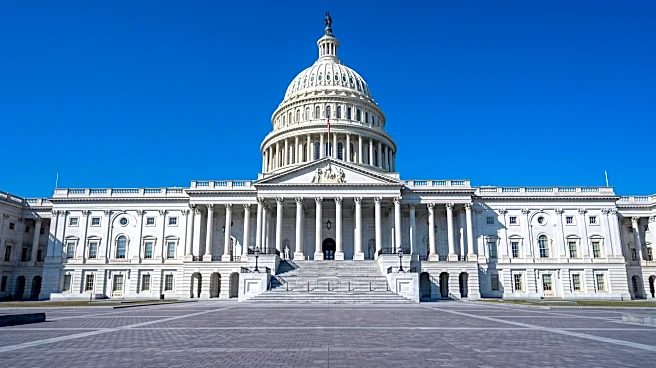
Representative Vince Fong (CA-20) has introduced legislation aimed at overriding state laws to establish a national framework for the deployment of autonomous trucks. This legislative effort has been incorporated into the Build America 250 Act, which
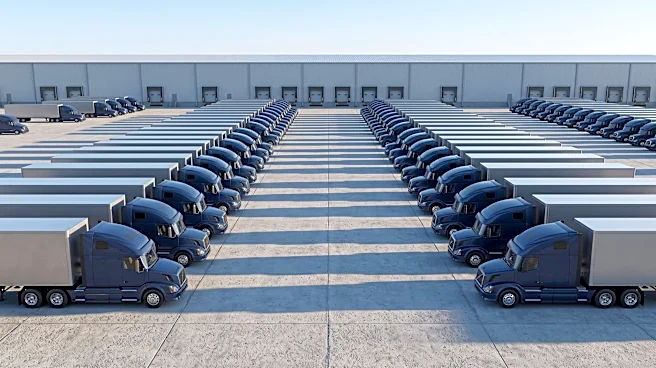
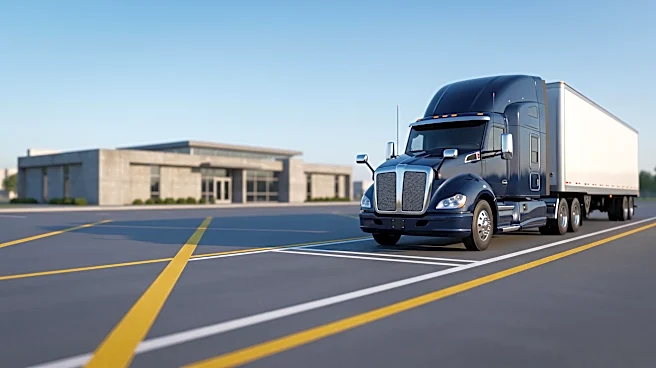
is the surface transportation bill currently progressing through Congress. The move comes as the autonomous trucking industry is pushing for commercial deployment, with companies like IMAMS Technology highlighting regulatory hurdles, such as rules concerning warning triangles, as obstacles to truly driverless operations. The goal of Fong's legislation is to streamline regulations across states, addressing the current patchwork of varying state laws that complicate the operation of autonomous trucks across state lines. This initiative is part of a broader push to accelerate the adoption of autonomous vehicle technology in the trucking sector.
Why It's Important?
The introduction of a national framework for autonomous truck deployment is a critical development for the U.S. logistics and transportation industries. Currently, the lack of uniform regulations across states creates significant barriers for autonomous trucking companies, hindering their ability to scale operations and realize the full economic benefits of the technology. A national standard could unlock substantial efficiencies, potentially reducing operational costs, addressing driver shortages, and improving safety in the long run. The trucking industry faces a high fatality rate and increasing labor market tightness, making autonomous solutions attractive. However, the transition also raises questions about job displacement for human drivers, the safety of autonomous systems, and the need for robust regulatory oversight to ensure public safety. This legislation could accelerate the transformation of the trucking industry, impacting supply chains, employment, and infrastructure development across the country.
What's Next?
With Rep. Fong's legislation incorporated into the Build America 250 Act, its future depends on the progression and eventual passage of this surface transportation bill through Congress. If enacted, the national framework would likely preempt conflicting state laws, creating a more consistent regulatory environment for autonomous truck operations. This could lead to a more rapid commercial deployment of autonomous trucks, particularly in key freight corridors. However, the implementation will require careful consideration of safety standards, liability issues, and the integration of this new technology with existing infrastructure. Stakeholders, including trucking companies, technology developers, labor unions, and safety advocates, will closely monitor the legislative process and subsequent regulatory developments. The Department of Transportation may also play a significant role in developing specific rules and guidelines under the new national framework.
Beyond the Headlines
The push for a national autonomous truck deployment framework touches upon deeper societal and economic shifts. Beyond the immediate benefits of efficiency and cost reduction, the widespread adoption of autonomous trucking could fundamentally alter the nature of work in the transportation sector, necessitating new training programs and potentially leading to significant job re-skilling or displacement. It also brings to the forefront the ongoing debate about the balance between technological innovation and regulatory control, particularly in areas with high public safety implications. The success of this framework will depend not only on technological advancements but also on public acceptance, robust safety protocols, and a clear legal and ethical understanding of responsibility in the event of accidents. This legislative effort represents a pivotal moment in shaping the future of freight transportation and the broader integration of artificial intelligence into critical national infrastructure.