





What's Happening?
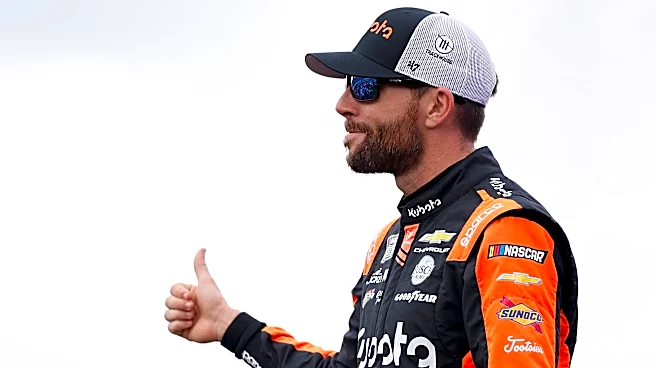
NASCAR star Ross Chastain has publicly reacted to the diagnosis of Hall of Famer Darrell Waltrip with frontotemporal degeneration (FTD), complicated by possible chronic traumatic encephalopathy (CTE). Waltrip and his family announced the diagnosis last
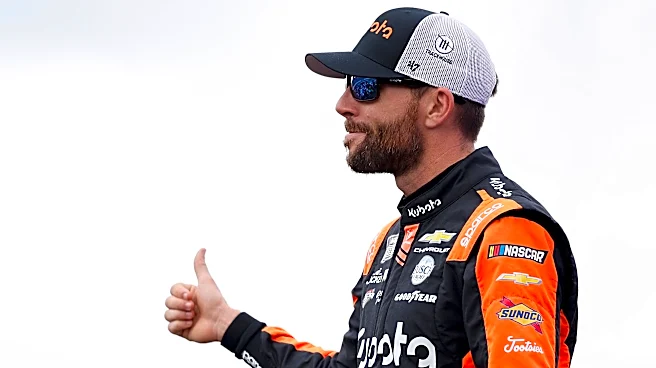
week. Chastain, in an interview with OutKick, described Waltrip as a 'staple of the sport' throughout his entire life and expressed sadness regarding the news. He noted that he read the announcement like everyone else and has not spoken directly with Waltrip or his family about it. Waltrip's family indicated that his condition was likely caused by injuries sustained during his extensive racing career. They also stated that while the disease will progress, it is currently limited to minor noticeable symptoms, leading Waltrip to step further away from the public limelight. The family emphasized that Waltrip is otherwise happy and healthy, spending time with his wife, daughters, and grandchildren. Waltrip, a three-time NASCAR Cup Series champion and Daytona 500 winner, holds the fifth-most Cup Series wins in NASCAR history with 84 victories. He retired from broadcasting in 2019 after 19 years but has made brief appearances, including one in March at Darlington where he delivered his signature catchphrase.
Why It's Important?
The diagnosis of Darrell Waltrip with frontotemporal degeneration and possible CTE highlights the long-term health risks associated with high-impact sports like NASCAR. This situation brings renewed attention to the physical toll racing can take on athletes, even years after their careers conclude. For the NASCAR community, Waltrip's status as a beloved and iconic figure means his health struggles resonate deeply, fostering a sense of collective support and concern. The mention of CTE, a condition linked to repetitive head trauma, underscores ongoing discussions about athlete safety across various sports and the need for continued research and preventative measures. This event could prompt further introspection within NASCAR regarding driver safety protocols, particularly concerning head injuries and their potential long-term neurological consequences. It also serves as a poignant reminder of the human element behind the competitive spectacle, emphasizing the personal sacrifices and health challenges faced by those who dedicate their lives to the sport.
What's Next?
Ross Chastain indicated that he and the broader NASCAR community will offer support to Darrell Waltrip and his family in any way they can. While Waltrip's family has stated he will be stepping further away from the public eye due to the progressive nature of FTD, they also conveyed that he is currently happy and healthy, enjoying time with his family. This suggests that public appearances from Waltrip will likely become even rarer. The announcement may also spur further conversations within NASCAR and sports medicine communities about the long-term neurological health of athletes, potentially leading to increased awareness campaigns, research funding, or enhanced safety measures for current and future drivers. The focus will likely remain on providing comfort and privacy to Waltrip and his family as they navigate this challenging diagnosis, with the community rallying to honor his legacy while respecting his need for personal space.
Beyond the Headlines
Darrell Waltrip's diagnosis, particularly the mention of possible CTE, extends beyond a personal health matter to touch upon broader societal and ethical considerations within professional sports. The ongoing debate about the long-term effects of concussions and head trauma in athletes, prevalent in sports like football, is now explicitly brought to the forefront in NASCAR. This raises questions about the responsibility of sports organizations to protect their athletes, not just during their active careers but also in understanding and mitigating future health risks. It could influence how future generations of drivers approach their careers, potentially leading to more proactive health monitoring and a greater emphasis on brain health. Furthermore, it highlights the emotional impact on the sports community when a revered figure faces such a challenge, fostering a sense of shared vulnerability and the importance of collective support systems for athletes post-retirement.