






What's Happening?
Actress Amanda Seyfried's Hollywood residence is currently listed for sale, offering a clear example of biophilic design principles in its aesthetic. The home emphasizes a 'less is more' approach, incorporating natural textures, maximizing natural light,
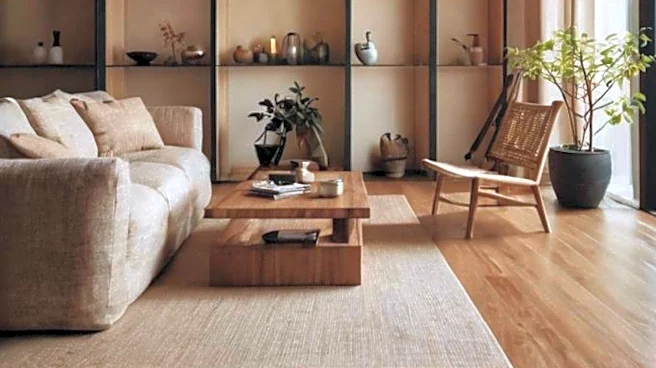
and creating seamless transitions between indoor and outdoor spaces. Key design elements include extensive use of hardwood flooring, antique light fixtures, and a color scheme that favors off-white walls with deeper greige tones on skirting boards and trimmings. Many rooms feature multiple windows, providing prime views of the outdoors, and a reading nook is specifically designed to be bathed in direct sunlight. The primary bedroom also offers a direct line of sight from the bed to windows, reinforcing the connection to nature. Even the converted garage, now a home gym, is designed as an airy, light-filled space with direct garden access, promoting a sense of wellness.
Why It's Important?
The sale of Amanda Seyfried's home highlights the growing trend and importance of biophilic design in residential architecture and interior design. This approach, which integrates natural elements into built environments, is increasingly recognized for its positive impact on physical and emotional well-being. For the U.S. real estate market, this signifies a potential shift in buyer preferences towards homes that offer a stronger connection to nature, natural light, and sustainable design principles. Homeowners and designers are increasingly seeking ways to create calming and healthy living spaces, moving away from overly maximalist or artificial aesthetics. The emphasis on natural materials and light can also contribute to energy efficiency and a reduced environmental footprint, aligning with broader sustainability goals in the construction and design industries. This trend could influence future residential developments and renovation projects across the country.
What's Next?
The listing of Seyfried's home could further popularize biophilic design concepts among a wider audience, potentially influencing mainstream interior design trends and architectural practices. As more high-profile properties showcase these elements, there may be an increased demand for natural materials, large windows, and integrated outdoor spaces in new constructions and home renovations. This could lead to a greater focus on sustainable building practices and the incorporation of green spaces within urban and suburban developments. Real estate agents and developers might begin to highlight biophilic features as key selling points, recognizing their appeal to buyers seeking wellness-oriented living environments. The success of this property on the market could serve as a case study for the value and desirability of biophilic design in contemporary American homes.
Beyond the Headlines
Beyond its immediate impact on real estate, the prominence of biophilic design in a celebrity home underscores a broader cultural shift towards valuing well-being and environmental consciousness. This trend reflects a growing understanding of the psychological and physiological benefits of connecting with nature, even within urban settings. The design choices in Seyfried's home, such as the use of natural light and textures, contribute to a sense of calm and reduce stress, aligning with principles of mindfulness and holistic living. This movement extends beyond individual homes to influence public spaces, workplaces, and urban planning, aiming to create healthier and more harmonious environments. The integration of nature into daily life, as exemplified by biophilic design, represents a long-term shift in how Americans perceive and interact with their built surroundings, fostering a deeper appreciation for ecological balance and personal wellness.