




What's Happening?
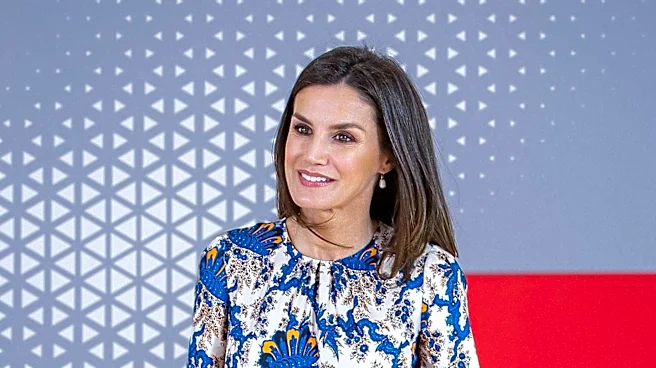
Queen Letizia of Spain has been noted for wearing designs from Miphai, a Spanish fashion brand. Miphai, founded in 2019 in Málaga by designer and pattern maker Alicia Dávila and Miro Taboada, has quickly gained recognition, even dressing the Queen. The
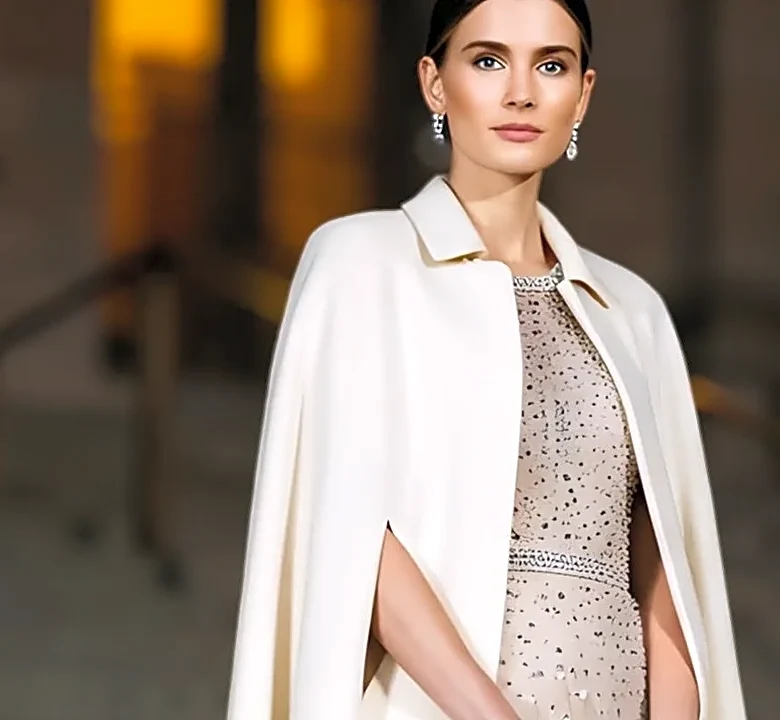
brand is featured among several 'made in Spain' guest dress brands with physical stores in Madrid, particularly in the Salamanca neighborhood. Other notable brands mentioned include Bimani, known for its minimalist and elegant designs, Vogana for its vibrant and original creations, Mannit for its modern and elegant aesthetic, Redondo Brand for architectural silhouettes, Mattuî for elegant lines and rich colors, and Cherubina, which started with millinery and expanded into guest dresses.
Why It's Important?
Queen Letizia's choice to wear Miphai significantly boosts the brand's visibility and credibility, both domestically and internationally. As a prominent public figure, her fashion selections often influence trends and draw attention to Spanish designers, thereby supporting the national fashion industry. This endorsement can lead to increased sales, brand recognition, and potentially open doors to new markets for Miphai and other featured Spanish brands. The emphasis on 'made in Spain' production also highlights a commitment to local craftsmanship and ethical manufacturing, which can resonate with consumers who prioritize sustainability and national economic support. For the broader Spanish fashion sector, such royal patronage can elevate its status and competitiveness on the global stage.
What's Next?
The continued visibility of Queen Letizia wearing Spanish brands like Miphai is likely to sustain interest in the country's fashion industry. Brands that receive such high-profile endorsements may experience a surge in demand and media attention, potentially leading to expansion, new collections, and collaborations. Fashion enthusiasts and consumers will likely continue to monitor Queen Letizia's public appearances for her sartorial choices, further driving interest in the featured designers. The focus on physical stores in Madrid suggests a continued importance of brick-and-mortar retail for these brands, offering a tangible experience for customers. This trend could also encourage other Spanish public figures to champion local designers, fostering a stronger national fashion identity.
Beyond the Headlines
Beyond the immediate commercial impact, Queen Letizia's fashion choices reflect a broader cultural narrative about national identity and support for local industries. By consistently opting for Spanish designers, she acts as a cultural ambassador, promoting the country's creative talent and economic prowess. This patronage can inspire a sense of national pride and encourage consumers to invest in local products, fostering a more robust domestic economy. Furthermore, the rise of brands like Miphai, founded by designers like Alicia Dávila and Miro Taboada, showcases the entrepreneurial spirit within Spain's fashion sector. This trend also highlights the evolving role of modern royalty, where personal style can be strategically leveraged to benefit national industries and cultural heritage.