



What's Happening?
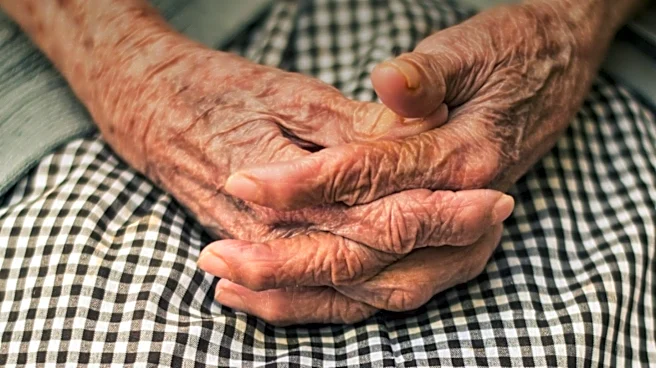
Loose facial skin is primarily caused by the natural aging process, which affects multiple layers of the face, not just the skin itself. Key factors include the breakdown of collagen and elastin in the dermis, which are crucial for skin firmness and elasticity.
As people age, collagen production decreases, and existing fibers become fragmented, leading to thinner, weaker skin. Elastin fibers, which allow skin to stretch and return to shape, accumulate damage over time due to slow replacement. Additionally, facial fat pads shrink, shift downward, or even move into the dermis, contributing to sagging. The underlying bone structure also plays a role, as facial bones like the upper jaw and eye rim gradually shrink through a process called bone resorption, reducing support for overlying soft tissues and leading to a more hollow appearance.
Why It's Important?
Understanding the multi-layered causes of loose skin is important for the cosmetic and dermatological industries, as it informs the development of effective anti-aging treatments. The fact that sagging is not solely a skin issue means that simple skin-tightening procedures may not fully address the problem, necessitating more comprehensive approaches that target collagen, fat, and bone. This knowledge impacts consumer expectations and treatment choices, guiding individuals toward more appropriate and potentially more effective interventions. For the healthcare sector, it highlights the complex biological changes associated with aging and the need for integrated solutions that consider the entire facial structure. It also underscores the role of external factors like sun exposure and menopause in accelerating skin deterioration, emphasizing the importance of preventative care.
What's Next?
The ongoing research into the aging process of skin, fat, and bone will likely lead to more advanced and targeted cosmetic treatments. This could include innovations in collagen stimulation therapies, fat repositioning techniques, and potentially even methods to mitigate bone resorption in the face. The industry may see a shift towards personalized anti-aging plans that assess individual changes across all facial layers. Furthermore, public health campaigns could increasingly emphasize the importance of sun protection and hormonal balance (especially during menopause) as crucial components of long-term skin health. The development of non-invasive or minimally invasive procedures that address these multi-layered changes will also be a key area of focus.
Beyond the Headlines
The detailed understanding of how collagen, fat, and bone contribute to loose skin offers a deeper insight into the biological mechanisms of aging. It moves beyond superficial explanations to reveal the intricate cellular and structural changes that occur over time. This knowledge has broader implications for regenerative medicine and age-related health research, as similar processes of tissue degradation and bone loss occur throughout the body. Ethically, it raises questions about societal perceptions of aging and the pursuit of youthfulness, as well as the accessibility and affordability of advanced cosmetic interventions. Culturally, it reflects a growing desire to understand and manage the visible signs of aging, influencing beauty standards and self-perception in an increasingly appearance-conscious society.