


What's Happening?
VNG AG, a German energy company, is actively pursuing increased gas imports from Azerbaijan and is open to securing long-term supply agreements for 15 to 20 years. This initiative was announced by Oliver F. Hill, Senior Vice President, Head of Corporate
Development, and Head of the VNG AG Representative Office, at the German-Azerbaijani Strategic Partnership and Connectivity Conference in Baku. VNG AG and SOCAR recently established a long-term partnership that encompasses both natural gas supply to Europe and collaboration on energy transition initiatives. While initial gas import volumes from Azerbaijan have been relatively small, VNG AG aims to significantly increase them. The partnership also includes a long-term vision for advancing the energy transition between Europe and Azerbaijan, focusing on decarbonization.
Why It's Important?
This development is significant for European energy security, particularly in light of ongoing geopolitical shifts and the continent's efforts to diversify its energy sources. Long-term agreements with Azerbaijan could provide a stable and reliable supply of natural gas, reducing Europe's dependence on other, potentially less predictable, suppliers. For Azerbaijan, these agreements offer a consistent revenue stream and strengthen its position as a key energy provider to Europe. The emphasis on renewable energy collaboration is equally important, as it aligns with global climate goals and Europe's decarbonization targets. By encouraging Azerbaijan to invest more in renewable energy for its domestic needs, more natural gas could be freed up for export to Europe, creating a mutually beneficial cycle of revenue generation and infrastructure investment in Azerbaijan, while also paving the way for future exports of green energy carriers like hydrogen or biomethane.
What's Next?
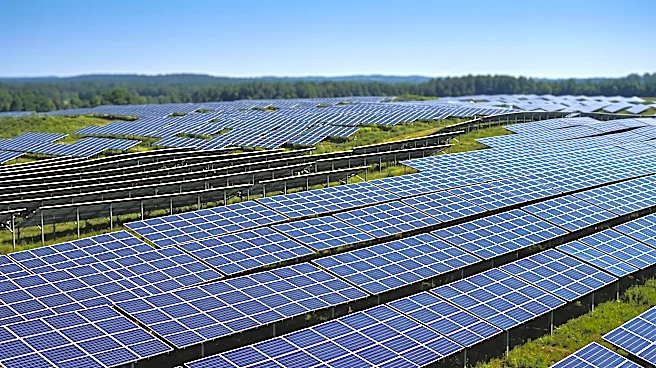
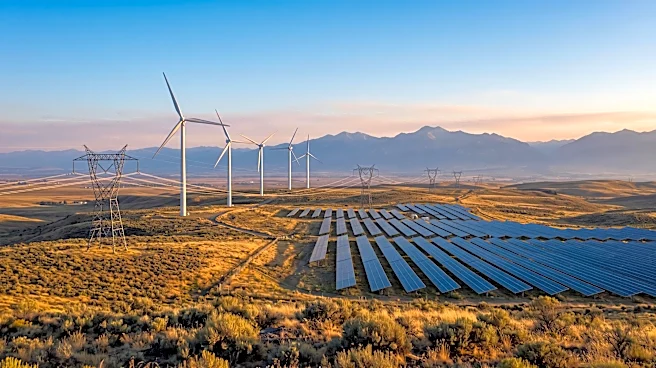
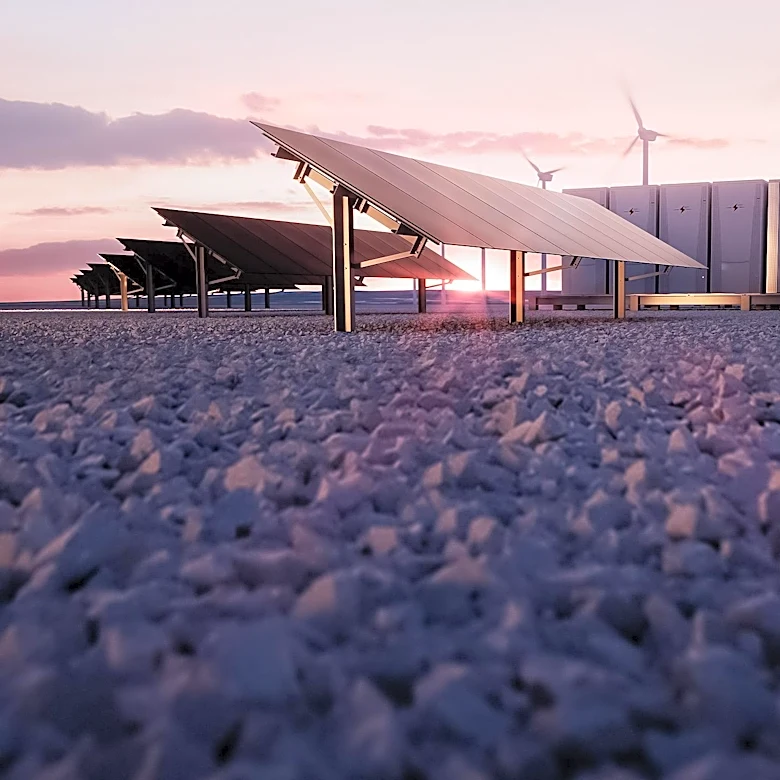
VNG AG will likely continue negotiations with SOCAR to finalize the terms of long-term gas supply agreements, including specific volumes and pricing. The partnership is expected to explore concrete projects in renewable energy, energy connectivity, energy efficiency, and broader energy transition initiatives. This could involve German companies investing in Azerbaijan's significant offshore wind and solar energy potential, as well as developing infrastructure for green energy corridors connecting Central Asia and Azerbaijan to European markets. The ongoing German-Azerbaijani Strategic Partnership and Connectivity Conference serves as a platform for further discussions and the formation of new partnerships in infrastructure, energy, transport, logistics, and digitalization, indicating a concerted effort to deepen economic cooperation and advance shared energy goals.
Beyond the Headlines
The collaboration between VNG AG and Azerbaijan extends beyond conventional energy trade, signaling a strategic alignment towards a future energy landscape. This partnership could accelerate Azerbaijan's transition to a greener economy, leveraging its natural gas revenues to fund renewable energy projects. For Europe, it represents a pragmatic approach to energy security that integrates fossil fuel supplies with long-term decarbonization strategies. The development of green energy corridors and the potential for hydrogen and biomethane exports could transform regional energy dynamics, fostering greater energy independence and environmental sustainability. This initiative also highlights the evolving role of traditional energy producers in the global energy transition, demonstrating how they can adapt and contribute to a low-carbon future while maintaining economic stability.