






What's Happening?
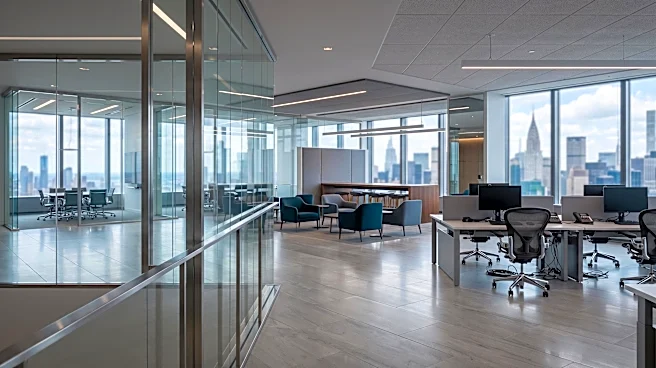
The suburban Chicago office market is experiencing a significant divide, with Class A properties attracting investment and tenants, while aging buildings struggle with high vacancy rates. Hybrid work models have reshaped demand, leading to a 26.7% suburban vacancy rate.
Despite this, Class A properties saw positive absorption in Q3 2026, while Class B buildings recorded negative absorption. Leasing activity for Class A offices increased by 16.6% year-over-year. Demand for speculative suites, which are move-in-ready with modern finishes, remains strong, prompting conversions like the 40,000-square-foot former single-tenant floor at 535 Diehl Road in Naperville into spec suites. NAI Hiffman estimates approximately $1 billion in distressed debt tied to suburban office properties, pushing some owners towards recapitalization, targeted renovations, or conversion to residential or other alternative uses. Investment sales reflect this divide, with properties being evaluated for their potential as competitive offices versus those better suited for repositioning or redevelopment.
Why It's Important?
This market divide in suburban Chicago highlights a broader national trend affecting commercial real estate, where traditional office spaces are becoming obsolete due to changing work patterns. The shift towards hybrid work has created a 'barbell effect,' favoring highly amenitized Class A buildings and affordable, move-in-ready spec suites, leaving a large segment of aging inventory struggling. The estimated $1 billion in distressed debt underscores the financial pressure on property owners and lenders, potentially leading to significant write-downs or foreclosures. The trend of converting offices to residential or other uses is crucial for urban and suburban revitalization, addressing housing shortages while repurposing underperforming assets. This transformation impacts local economies, property tax revenues, and the overall urban landscape, requiring strategic investment and adaptive reuse to maintain economic vitality and meet evolving community needs.
What's Next?
The suburban Chicago office market is poised for continued strategic reinvestment and repositioning, alongside the removal of obsolete space. Owners who can align their properties with changing tenant expectations through modernization and amenity upgrades will be better positioned to compete. Conversely, buildings that cannot justify the cost of modernization, especially with higher borrowing costs and tighter lending standards, are likely to be considered for alternative uses, including residential redevelopment. This trend suggests an ongoing transformation of suburban landscapes, with more mixed-use developments emerging. Investors will continue to evaluate properties based on location, occupancy, physical condition, capital requirements, and long-term leasing potential, rather than historical valuations. The success of these adaptive strategies will be critical in shaping the future of suburban commercial real estate and mitigating the economic impact of office vacancies.
Beyond the Headlines
The challenges in the suburban Chicago office market reflect a fundamental shift in how and where people work, with profound implications for urban planning and community development. The 'barbell effect' not only impacts property values but also influences commuting patterns, local business ecosystems, and the demand for public services. As more office buildings are converted to residential or other uses, there will be a need for comprehensive planning to ensure adequate infrastructure, public transportation, and community amenities to support the new populations. This transformation also raises questions about the future of traditional office parks and their role in regional economies. The long-term success will depend on innovative solutions that balance economic viability with social and environmental sustainability, creating vibrant, adaptable communities that can thrive in a post-pandemic world.