




What's Happening?
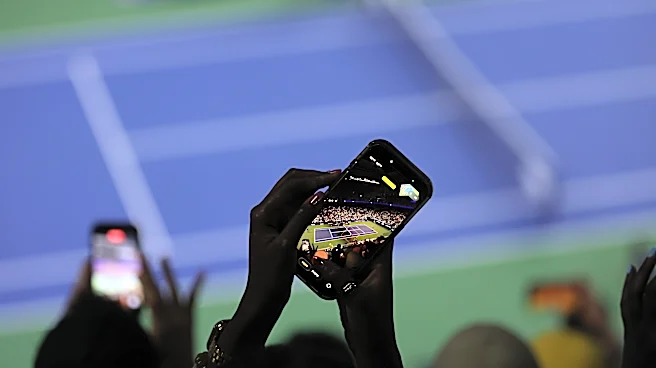
The US Open is facing a growing challenge with the presence of numerous credentialed and uncredentialed influencers and spectators who are creating content during matches, leading to disruptions and concerns about etiquette. While the tournament aims
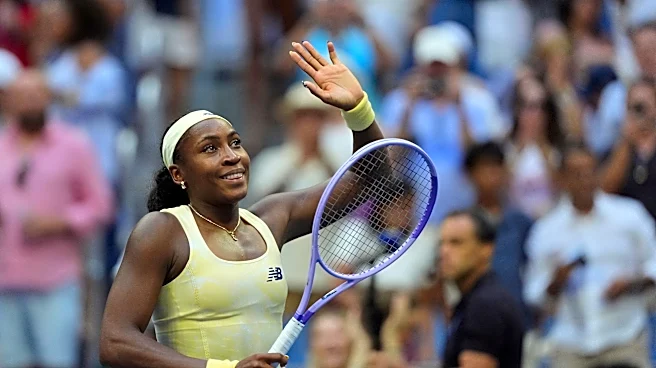
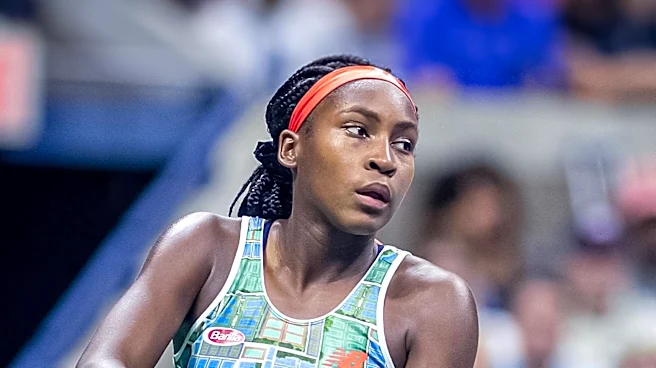
to broaden its appeal to a wider audience, including those new to tennis, the influx of content creators has resulted in issues such as filming during active play, use of ring lights and camera flashes, and excessive noise. Players like Coco Gauff and Naomi Osaka have noted distractions, with Gauff citing light as an issue and Osaka mentioning noise. Jessica Pegula expressed that such behavior is disrespectful to players whose careers are on the line. Although the USTA credentials some social media editors and independent creators, many individuals filming are paying guests, contributing to a general disregard for traditional tennis etiquette.
Why It's Important?
This situation highlights a significant tension between the desire for sports growth and the preservation of traditional sporting event integrity and atmosphere. The US Open's strategy to attract new demographics, including those less familiar with tennis etiquette, is a common approach in modern sports marketing. However, the disruptions caused by content creation and general spectator behavior risk alienating traditional fans and impacting player performance. The incident underscores the evolving nature of live events, where personal experience often includes documenting and sharing, sometimes at the expense of others' enjoyment or the event's flow. This balancing act is crucial for major sports organizations as they navigate the digital age and the demands of a constantly connected audience.
What's Next?
The US Open and other major sports events will likely continue to grapple with how to integrate new audiences and digital content creation while maintaining decorum. This could lead to revised policies regarding spectator behavior, clearer guidelines for credentialed influencers, and potentially stricter enforcement of existing rules. Discussions among players, organizers, and media will likely continue regarding acceptable levels of fan engagement and content creation during live play. The tournament may explore innovative ways to leverage social media and influencers without compromising the competitive environment or the experience of all attendees. Finding a harmonious balance will be key to ensuring the long-term success and appeal of such events.
Beyond the Headlines
The phenomenon at the US Open reflects a broader cultural shift where personal experiences are increasingly mediated through digital content creation. This extends beyond sports to concerts, theater, and other public gatherings, raising questions about the nature of presence and engagement in the digital age. The desire for "universal appeal" in branding, as noted in the source, often leads to a dilution of specific cultural norms or etiquette associated with particular events. This trend challenges institutions to adapt without losing their core identity or alienating their foundational audience. It also prompts a re-evaluation of what constitutes respectful public behavior in an era where everyone can be a broadcaster, and the line between private enjoyment and public performance is increasingly blurred.