



What's Happening?
Volvo is embarking on its 'largest and most ambitious global product push in its 99-year history,' according to the Swedish automaker. This initiative includes the launch of 13 new vehicles by 2030, with seven models specifically designated for Western
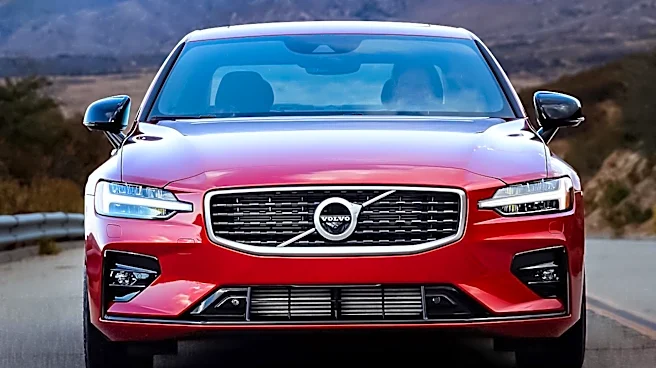
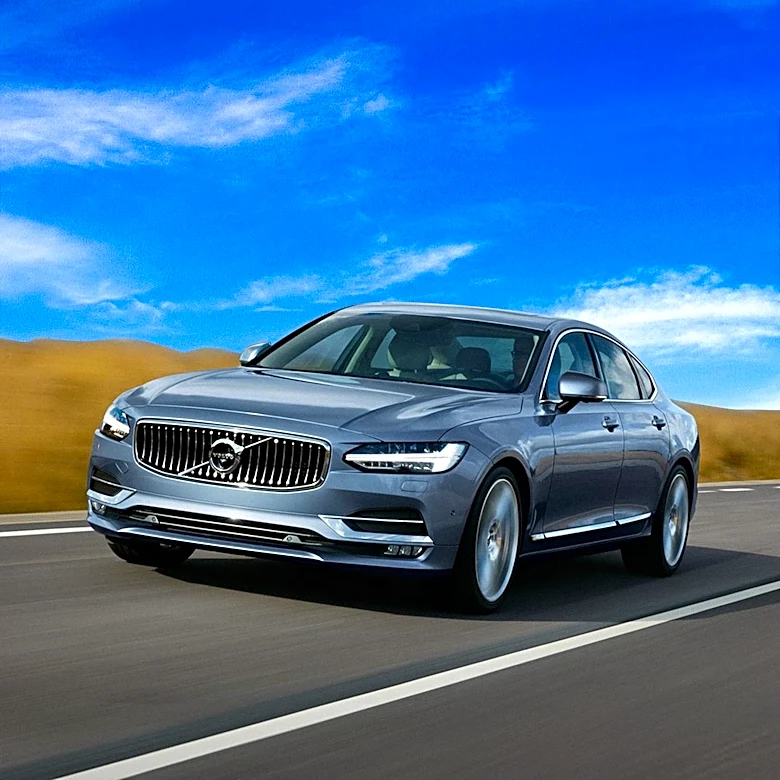
markets, including the U.S. The new lineup will feature both fully electric cars and third-generation hybrids. Notably, there are indications of a potential return of sedans and station wagons to the U.S. market, with models like the ES60 and EV60 electric sedan and wagon possibly arriving by 2028, built on the SP3 platform and priced in the low-$50,000 range. This comes as Volvo is discontinuing its V90 and V60 wagons in the U.S. after the 2026 model year. Additionally, a new compact electric SUV, the EX50, is expected to replace the EX40 in fall 2027, utilizing the SPA3 platform. The company aims to develop models tailored for specific markets, with six new cars for China and seven for Western markets.
Why It's Important?
This significant product offensive by Volvo could reshape its presence in the U.S. automotive market, particularly with the reintroduction of sedans and wagons. For consumers, this means a broader range of electrified vehicle options, potentially offering alternatives to the dominant SUV segment. The focus on both fully electric and third-generation hybrid vehicles aligns with evolving consumer preferences and regulatory pressures towards electrification, providing choices for those not yet ready for a full electric transition. The potential return of wagons, a body style for which Volvo was historically renowned, could appeal to a niche market seeking practicality and distinct design. For the U.S. automotive industry, increased competition in the electric and hybrid segments from a premium brand like Volvo could drive innovation and accelerate the adoption of sustainable transportation solutions. Volvo's strategy also includes a revised commercial approach with 'transparent pricing' and 'streamlined offers,' which could influence sales models across the industry.
What's Next?
Volvo's new XC60 and XC90 plug-in hybrids, boasting significantly extended electric ranges, are set to begin production this fall, with customer deliveries anticipated in early 2027. While pricing for these updated models has not yet been announced, their enhanced electric capabilities are a precursor to Volvo's broader electrification strategy. The company plans to introduce regular over-the-air software updates for its vehicles and an all-inclusive 'Care' offer, indicating a shift towards a more integrated ownership experience. The full details of the 13 new vehicles, including specific launch dates and market availability, will unfold over the coming years, with the potential electric sedan and wagon models (ES60 and EV60) slated for a 2028 release. Volvo's expansion of its U.S. manufacturing footprint suggests a commitment to local production for its hybrid and EV offerings, which could lead to job creation and economic benefits in those regions.
Beyond the Headlines
Volvo's strategic shift to reintroduce sedans and wagons, particularly in electric form, challenges the prevailing SUV-centric market trend in the U.S. This move could signal a broader industry re-evaluation of vehicle body types as electrification becomes more widespread, potentially leading to a diversification of offerings beyond SUVs. The emphasis on third-generation hybrids alongside fully electric vehicles highlights a pragmatic approach to the transition to electric mobility, acknowledging that a significant portion of consumers may still prefer the flexibility of a hybrid powertrain. This strategy could influence other automakers to invest further in advanced hybrid technologies. Furthermore, Volvo's goal to achieve an EBIT margin above 8% and stronger cash generation through this product offensive, coupled with increased component commonality with Geely, reflects a focus on efficiency and profitability in a highly competitive and capital-intensive industry. The company's commitment to software-defined vehicles and over-the-air updates also underscores the growing importance of digital integration and continuous improvement in the automotive sector.