


What's Happening?
For individuals over 60 seeking to firm their upper arms, wall exercises are presented as a highly effective and accessible alternative to traditional dumbbell curls. According to Jarrod Nobbe, MA, CSCS, these exercises provide a comprehensive approach
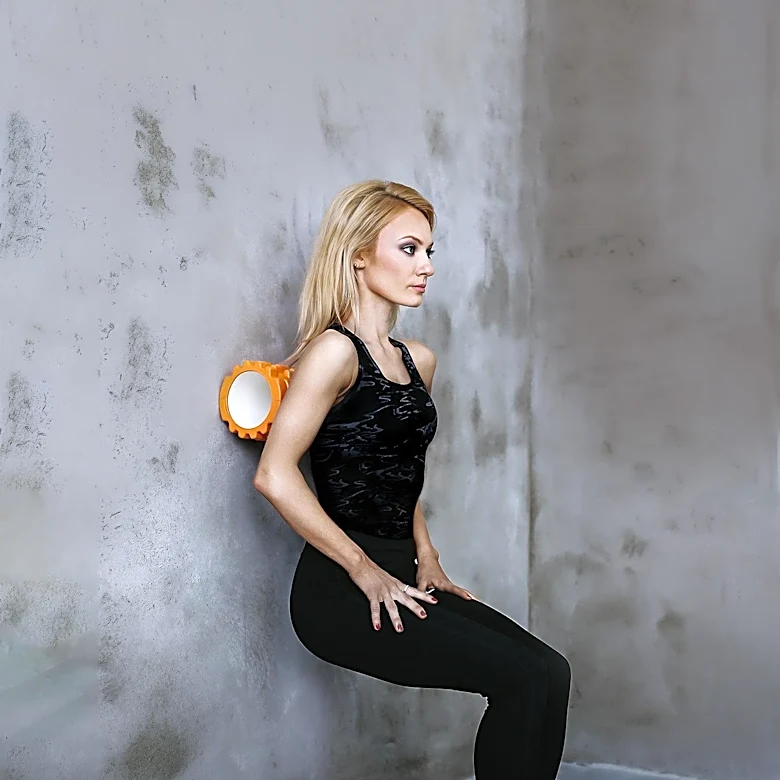
by targeting pressing strength, shoulder control, triceps work, and improving upper-back posture. Wall-based movements, such as wall slides, wall push-ups, wall band pull-aparts, and wall planks with shoulder taps, offer a less intimidating workout environment. The wall provides support, allowing individuals to adjust their angle and control their pace, which helps in building strength without the need to drop to the floor. This method makes the workout approachable while still delivering sufficient challenge to impact arm firmness. Nobbe emphasizes that these exercises help individuals find better repetitions quickly due to the support and upright setup, making it easier to engage the arms, shoulders, and upper back effectively.
Why It's Important?
This approach to fitness is particularly important for the aging population in the U.S., as it addresses common concerns about maintaining physical strength and mobility. As individuals age, muscle mass naturally declines, a condition known as sarcopenia, which can impact daily activities and overall quality of life. By offering accessible and effective exercises that can be performed at home, this method promotes independent living and reduces the barriers to physical activity. The focus on triceps, shoulder control, and upper-back posture is crucial for preventing injuries, improving functional strength, and enhancing overall body mechanics. This can lead to increased confidence in movement and a reduction in the risk of falls, which are significant health concerns for older adults. Furthermore, the emphasis on gradual progression and proper form helps ensure safety and maximizes the benefits of the workout, contributing to a healthier and more active senior population.
What's Next?
Individuals interested in firming their upper arms can begin incorporating these wall exercises into their routine three to five days per week. The recommendation is to start with two rounds of each exercise, focusing on smooth repetitions, and gradually adding a third round as comfort and strength improve. Key exercises include wall slides for shoulder control and upper-back strength, wall push-ups for chest, shoulders, and triceps, wall band pull-aparts for upper back and rear shoulders, and wall planks with shoulder taps for shoulder stability and upper-body endurance. Beyond the exercises, Nobbe advises integrating consistent strength work with daily habits such as consuming protein at each meal, walking most days, and maintaining good posture. The initial signs of progress are expected to manifest as smoother reps and better control, with visible changes becoming more apparent over several weeks.
Beyond the Headlines
The promotion of accessible home workouts, particularly for older adults, reflects a broader shift towards personalized and convenient fitness solutions. This trend is significant in the U.S. given the increasing emphasis on preventative healthcare and the desire for active aging. The psychological benefits of feeling stronger and more capable, especially in a demographic often facing physical limitations, are profound. It fosters a sense of empowerment and can significantly improve mental well-being. Moreover, by providing exercises that require minimal equipment and can be done in the comfort of one's home, it democratizes fitness, making it available to a wider audience regardless of access to gyms or personal trainers. This approach also highlights the importance of functional fitness, focusing on movements that support everyday activities rather than just aesthetic goals, thereby promoting a more holistic view of health and wellness.