


What's Happening?
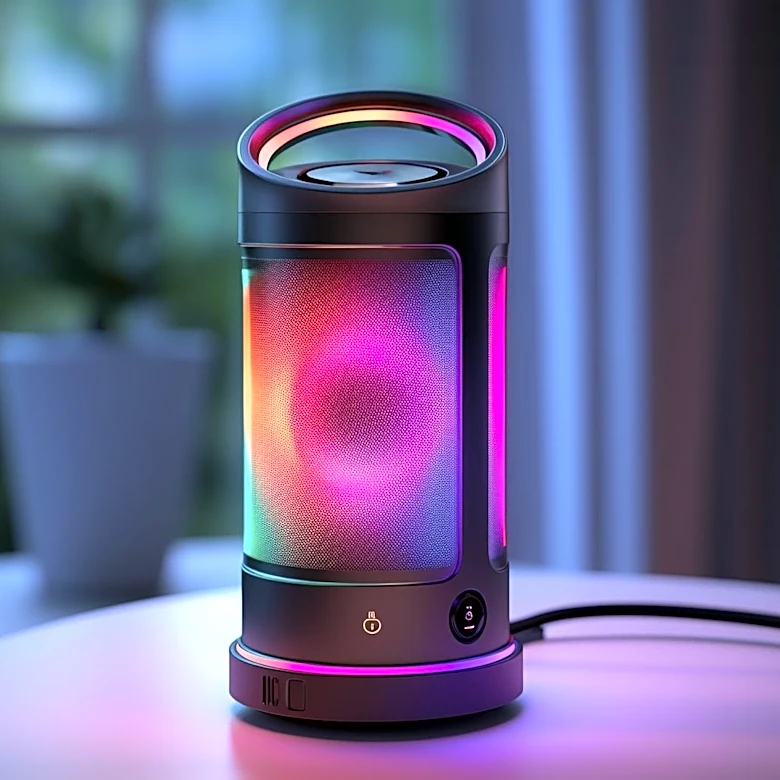
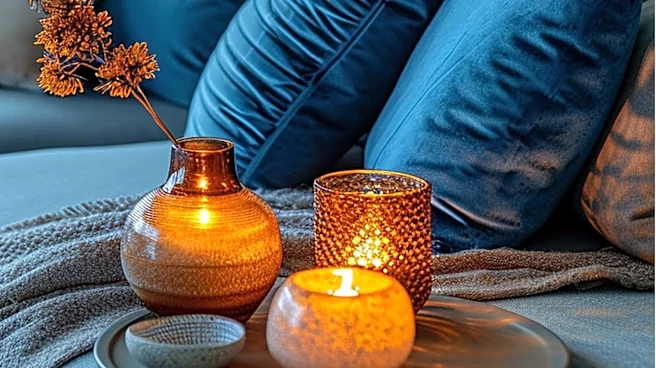
Gen Z is actively moving away from several long-standing interior design trends, according to design professionals. This generation is rejecting ceiling-only lighting, often referred to as 'The Big Light,' in favor of ambient and layered lighting for
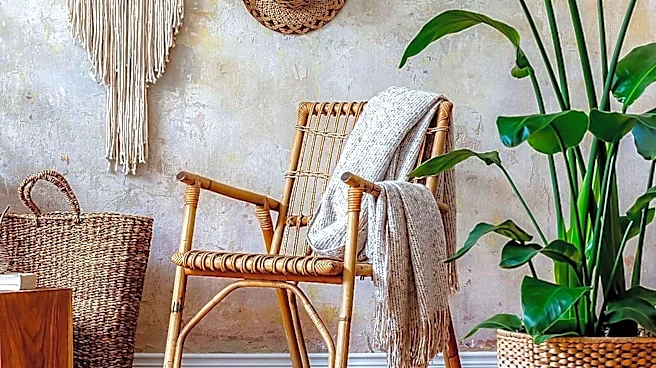
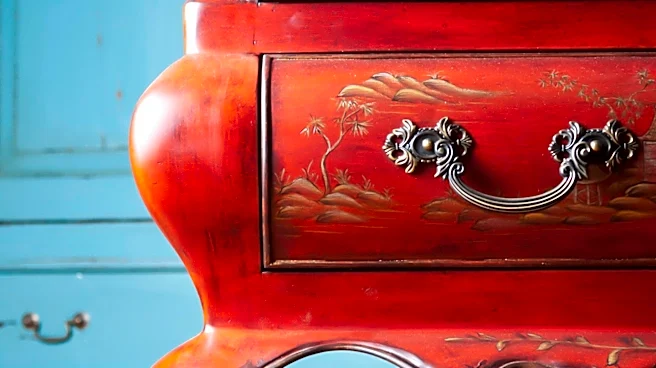
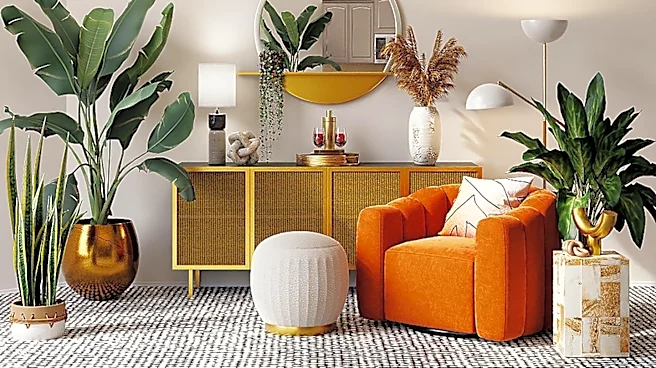
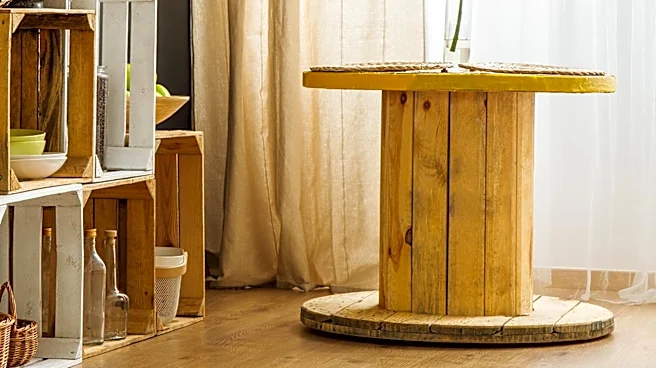
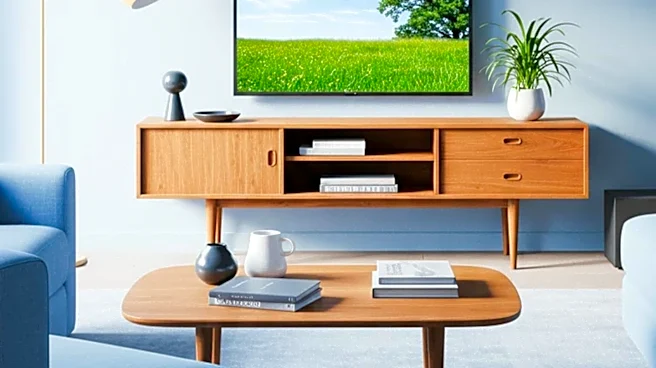
a warmer atmosphere. All-neutral color palettes, which were popular with previous generations, are being replaced by bold colors and patterns. Furthermore, the once-favored open-floor plans are giving way to 'broken-plan' layouts that offer more defined, purposeful rooms while maintaining flow. Gen Z is also shunning exclusively new furniture and matching sets, instead opting for a curated mix of high-end pieces, less expensive finds, antiques, and second-hand items to create unique and personalized spaces. This shift reflects a desire for homes that express individuality and provide comfort, moving away from showroom-like aesthetics.
Why It's Important?
This generational shift in interior design preferences has significant implications for the U.S. home furnishings and decor industries. Manufacturers and retailers will need to adapt their product offerings to cater to Gen Z's demand for bold colors, diverse patterns, and eclectic styles. The move away from open-floor plans could influence architectural design and construction, potentially leading to a resurgence of homes with more distinct room divisions. The emphasis on vintage and second-hand furniture also suggests a growing market for thrift stores, antique dealers, and upcycling businesses. Designers who can effectively blend new and old, and incorporate personalized elements, will likely find increased demand for their services. This trend highlights a broader cultural movement towards authenticity and self-expression in personal spaces, impacting consumer spending and marketing strategies across the home sector.
What's Next?
As Gen Z's purchasing power grows, the interior design market is expected to continue evolving to meet their preferences. We may see an increase in product lines featuring vibrant colors, intricate patterns, and customizable options. Retailers might expand their vintage and antique furniture selections or partner with platforms that facilitate the resale of pre-owned items. Architectural firms could begin to prioritize 'broken-plan' designs in new constructions and renovations. Design professionals anticipate a continued demand for eclectic mixes and personalized interiors, encouraging a more creative and less conventional approach to home decor. This trend is likely to solidify, influencing not only residential design but also potentially commercial spaces seeking to appeal to younger demographics.
Beyond the Headlines
The rejection of 'safe' and uniform design trends by Gen Z reflects a deeper cultural shift towards individuality and sustainability. Their preference for curated, unique items, including vintage pieces, aligns with a broader movement against fast fashion and disposable consumerism. This generation's desire for homes that 'sing to their true hearts' suggests a rejection of mass-produced, impersonal aesthetics in favor of spaces that tell a story and evoke personal meaning. This could lead to a more conscious approach to consumption within the home decor sector, emphasizing longevity, craftsmanship, and emotional connection over fleeting trends. The move away from open-plan living might also signify a renewed appreciation for privacy and distinct functional zones within the home, potentially influencing social dynamics and family interactions within residential spaces.