







What's Happening?
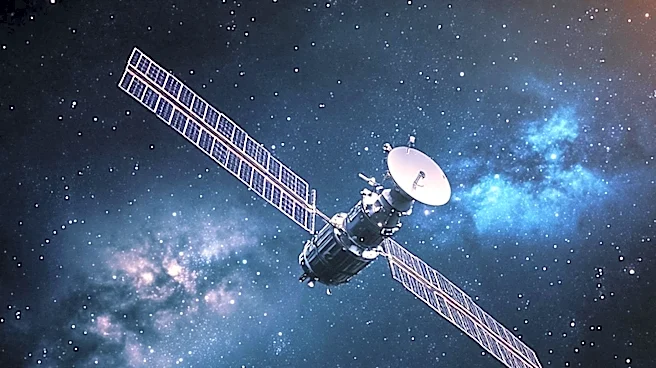
AST SpaceMobile has received temporary approval from the FCC to conduct direct-to-device (D2D) satellite connectivity tests using the 800MHz spectrum band. These tests, limited to two 50-kilometer radius areas in Midland, Texas, and Lanham, Maryland,
will evaluate and demonstrate services from AST SpaceMobile's satellites using up to 100 commercially available user devices. The specific frequency bands for the tests are 817MHz–824MHz for uplink and 862MHz–869MHz for downlink. AT&T Chief Operating Officer Jeff McElfresh described this FCC approval as a 'key milestone' in efforts to bridge 'connectivity gaps' across the country. The authorization is valid for 30 days, concluding on September 12. This development follows the FCC's earlier decision in April to permit AST SpaceMobile to operate a constellation of 248 satellites for D2D services utilizing both 700MHz and 800MHz spectrum, coordinated with partners like AT&T, FirstNet, and Verizon.
Why It's Important?
This testing represents a significant step towards expanding mobile connectivity in the United States, particularly in areas underserved by traditional terrestrial networks. AT&T views satellite-based internet service as a complementary technology to its existing fiber and 5G infrastructure, aiming to provide a more comprehensive connectivity experience for its customers, especially in remote or challenging geographical locations. The successful implementation of D2D technology could significantly reduce 'dead zones' and improve emergency communication capabilities nationwide. For U.S. consumers, this could mean more reliable mobile service in previously unconnected areas, enhancing safety and access to information. For the telecommunications industry, it signifies a growing trend towards integrating satellite technology into mainstream mobile services, potentially fostering new partnerships and competitive landscapes among major carriers like AT&T, Verizon, and T-Mobile, who are all exploring D2D solutions with different satellite partners.
What's Next?
The current 30-day testing period will provide crucial data on the performance and viability of AST SpaceMobile's D2D technology in the 800MHz band. Following these tests, the FCC and participating companies will likely analyze the results to inform future regulatory decisions and commercial deployment strategies. While AT&T has indicated that D2D services are expected to commence around 2027, the outcomes of these trials could influence the timeline and scope of such rollouts. The ongoing collaboration between AT&T, T-Mobile, and Verizon in forming a D2D mobile satellite joint venture suggests a concerted industry effort to pool resources and engage with multiple satellite operators. Future developments will likely involve further regulatory approvals, continued technological advancements, and the establishment of commercial service plans, all aimed at integrating satellite connectivity seamlessly into the U.S. mobile network ecosystem.
Beyond the Headlines
The integration of satellite direct-to-device technology carries broader implications beyond immediate connectivity improvements. Ethically, it raises questions about equitable access to advanced communication services, ensuring that the benefits reach all segments of the population, including those in rural and economically disadvantaged areas. Legally, the allocation and use of spectrum for satellite-to-phone services will continue to be a complex area, requiring careful coordination between federal regulators, telecommunications companies, and satellite operators to prevent interference and ensure fair competition. Culturally, ubiquitous connectivity could further transform how Americans live, work, and interact, potentially bridging digital divides but also raising concerns about data privacy and the impact of constant digital access. This technological shift could also influence national infrastructure planning, with a greater emphasis on resilient and redundant communication systems that combine terrestrial and space-based assets, particularly for emergency preparedness and national security.