





What's Happening?
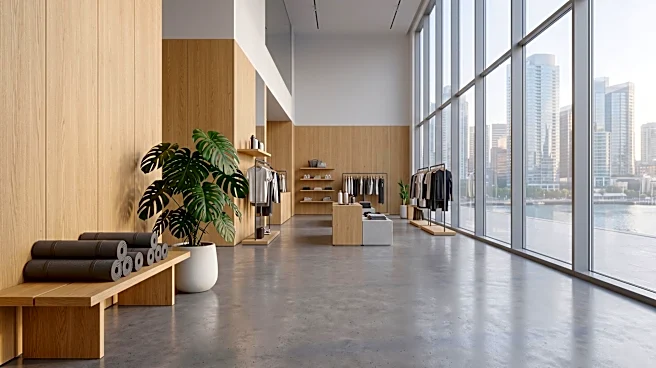
Alo Yoga has significantly evolved from being solely an activewear brand into a comprehensive wellness lifestyle entity. The brand now encompasses various aspects of wellness, including Pilates, yoga, clean eating, skincare, and self-care. This strategic
shift allows Alo Yoga to market a complete lifestyle rather than just physical products like leggings and sports bras. The brand's apparel, particularly its sweatshirts and matching sets, has become a recognizable 'uniform' that signals participation in a broader world of fitness, wellness, fashion, and lifestyle content. Alo Yoga also offers a free yoga membership to its wellness club, providing access to streaming fitness and yoga classes, further integrating its customers into this lifestyle. Recently, the brand launched its Semi Sheer Oasis Collection, with items starting from $64, emphasizing comfortable and stylish pieces suitable for diverse occasions beyond just exercise.
Why It's Important?
Alo Yoga's transformation into a lifestyle brand is significant for the U.S. retail and wellness industries. It demonstrates a successful strategy of selling an aspirational identity rather than just commodities, tapping into consumers' desire for self-improvement and belonging. This approach allows the brand to command premium prices and foster strong customer loyalty, as consumers are buying into a perceived ideal of health, organization, and aesthetic appeal. The integration of digital offerings, such as free yoga memberships, creates an ecosystem that keeps customers engaged and provides additional revenue streams. This model also blurs the lines between activewear and everyday fashion, making Alo Yoga products versatile and increasing their 'cost per wear' value for consumers, thereby justifying higher price points. This trend impacts how other brands in the activewear and wellness sectors might strategize their market positioning and product development.
What's Next?
Alo Yoga is likely to continue expanding its wellness offerings, potentially introducing more products and services related to clean eating, skincare, and self-care to further solidify its lifestyle brand image. The brand may also explore partnerships with wellness influencers and expand its digital content to reach a wider audience and deepen customer engagement. Given its success in making activewear socially acceptable outside of exercise, Alo Yoga could further innovate in designing versatile apparel that seamlessly transitions from workouts to social settings. Competitors in the activewear market may attempt to emulate Alo Yoga's lifestyle branding strategy, leading to increased competition in the broader wellness market. The brand's continued growth will depend on its ability to maintain authenticity and deliver on the aspirational lifestyle it promotes, ensuring that the 'feeling' it sells aligns with the actual customer experience.
Beyond the Headlines
Alo Yoga's success in selling a 'lifestyle' rather than just products highlights a deeper cultural phenomenon: the commodification of wellness. In an age dominated by social media, wellness has become a highly visible and marketable concept, transforming from a private experience into public content. This shift encourages consumers to purchase products not just for their utility but for the identity and aesthetic they convey. The brand taps into the psychological desire to project an image of health, organization, and self-care, often leading consumers to buy 'future-you' – an idealized version of themselves. This raises ethical questions about whether brands are genuinely promoting well-being or simply capitalizing on insecurities and aspirations. While there's nothing inherently wrong with enjoying the aesthetics of wellness, the danger lies when the aesthetic becomes more important than actual wellness practices, potentially leading to continuous consumption without genuine self-improvement.