


What's Happening?
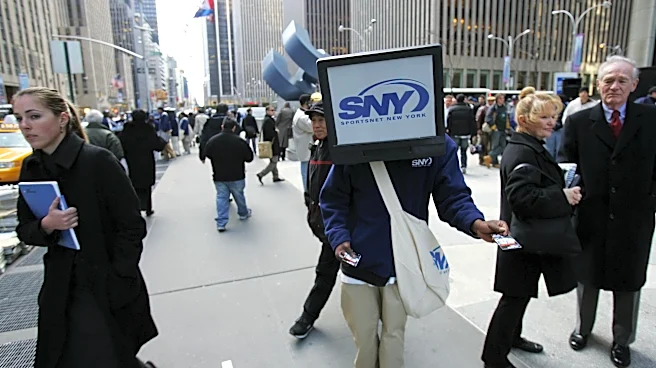
SNY, the regional sports network, has canceled its long-running programs 'Baseball Night in New York' and 'SportsNite,' effective immediately. This decision was part of mass layoffs that impacted several employees, including veteran host Sal Licata. Licata,
who had been with SNY since 2010, expressed his dismay over the layoffs, stating he was 'sick to his stomach' for his former colleagues. He indicated that he would have preferred to stay at SNY for his entire career, emphasizing that his departure was not financially motivated. An SNY spokesperson confirmed the cancellations, citing a 'regular review of our business, operations and programming.' The network affirmed its commitment to ongoing coverage of the Mets and New York sports, aiming to continue delivering high-quality content to its fanbase. The timing of these layoffs has led to speculation, with Licata suggesting a potential connection to Major League Baseball's impending lockout, which could delay the 2027 season.
Why It's Important?
The cancellation of 'Baseball Night in New York' and 'SportsNite' signifies a notable shift in SNY's programming strategy and could impact how New York sports fans receive local coverage. These shows were mainstays for viewers seeking in-depth analysis and discussion on the Mets and other regional sports. The layoffs also highlight broader economic pressures or strategic realignments within regional sports broadcasting, potentially influenced by factors like declining viewership, advertising revenue shifts, or anticipated disruptions in professional sports leagues. For employees in the sports media industry, these events underscore job insecurity and the evolving landscape of content production. The situation also brings attention to the ownership structure of SNY; while the New York Mets are owned by Steve Cohen, SNY remains under the control of Sterling Equities, an investment firm associated with the Wilpon and Katz families. This distinction is relevant as the Wilpons were previously criticized for their financial management during their Mets ownership, and SNY had reportedly explored a sale, with Cohen as a potential buyer.
What's Next?
Following the cancellation of these programs, SNY will likely reallocate resources and focus on its remaining core programming, particularly its direct coverage of the New York Mets. The network's statement indicates a continued commitment to delivering high-quality content, suggesting that new formats or expanded coverage within existing shows might emerge to fill the void. The future of the affected employees, including Sal Licata, will involve seeking new opportunities within the competitive sports media landscape. The speculation regarding MLB's impending lockout and its potential impact on the 2027 season suggests that regional sports networks may be bracing for a period of reduced live sports content, which could further influence programming decisions and staffing levels across the industry. The ongoing broadcast agreement between SNY and the Mets, extending through 2035, positions Steve Cohen as a strong potential candidate should SNY explore a sale again, which could lead to further changes in the network's direction.
Beyond the Headlines
The layoffs and program cancellations at SNY reflect a broader trend in media, where traditional broadcasting models are being challenged by evolving consumption habits and economic realities. Regional sports networks, in particular, face increasing pressure from streaming services and direct-to-consumer offerings, which fragment audiences and alter advertising revenue streams. The emotional response from long-time personalities like Sal Licata underscores the personal impact of these corporate decisions on individuals who have dedicated their careers to these platforms. Furthermore, the situation highlights the complex interplay between team ownership and media rights. While Steve Cohen owns the Mets, the continued control of SNY by Sterling Equities illustrates how media assets can operate independently, even when closely tied to a sports franchise. This dynamic can lead to differing financial priorities and strategic decisions that may not always align with the interests of the team's fanbase or its new ownership.