







What's Happening?
Mark Cuban has publicly accused Facebook, a platform owned by Meta, of allowing and profiting from scam advertisements that utilize AI-generated deepfakes of him. These deepfake ads are reportedly promoting a $294 diabetes treatment. Cuban's accusation
points to a significant issue of misinformation and fraudulent activity leveraging advanced AI technology on major social media platforms. The claim is further supported by internal Meta documents, which reportedly projected $16 billion in revenue from scam ads. This situation highlights the challenges social media companies face in moderating content and preventing the spread of deceptive advertising, especially when sophisticated AI tools are used to create convincing but fake endorsements. The use of deepfakes of prominent figures like Mark Cuban adds a layer of credibility to these scams, making them more difficult for users to identify as fraudulent. The alleged financial projections from scam ads within Meta documents suggest a systemic issue rather than isolated incidents, raising questions about the platform's oversight and enforcement mechanisms.
Why It's Important?
This accusation by Mark Cuban against Facebook carries significant implications for consumer protection, platform accountability, and the ethical use of AI technology. If true, the claim that Facebook is profiting from scam ads featuring AI deepfakes of public figures suggests a failure in content moderation and a potential disregard for user safety. This could erode public trust in social media platforms as reliable sources of information and legitimate advertising. For consumers, the proliferation of deepfake scams poses a direct financial threat, as they could be misled into purchasing ineffective or harmful products. For businesses and public figures, the unauthorized use of their likeness in fraudulent advertisements can damage their reputation and brand. Furthermore, the alleged internal Meta documents projecting substantial revenue from scam ads raise serious questions about the company's business practices and its commitment to combating fraud on its platforms. This situation underscores the urgent need for robust regulatory frameworks and technological solutions to detect and remove AI-generated misinformation and scams.
What's Next?
Following Mark Cuban's public accusation, increased scrutiny on Facebook's advertising policies and content moderation practices is highly probable. Regulatory bodies and consumer protection agencies may launch investigations into the extent of scam ads on the platform and Meta's alleged role in profiting from them. Facebook will likely face pressure to enhance its AI detection capabilities to identify and remove deepfake content more effectively and to implement stricter vetting processes for advertisers. Public figures and celebrities may also explore legal avenues to protect their image and intellectual property from being used in fraudulent AI-generated content. This incident could also catalyze broader discussions about platform liability for user-generated and advertised content, potentially leading to new legislation or industry standards for AI ethics and content moderation. Meta's response to these allegations, including any changes to its policies or technological investments, will be closely watched by stakeholders.
Beyond the Headlines
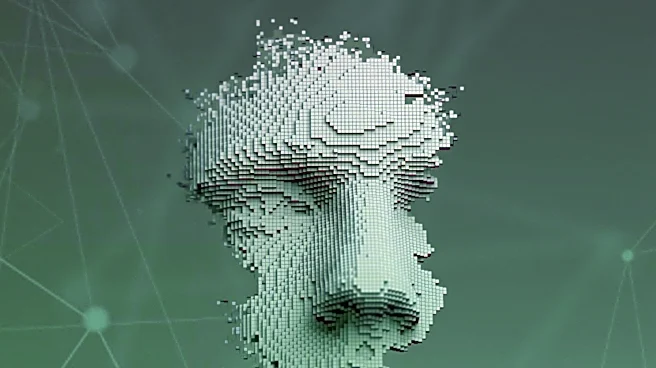
The Mark Cuban deepfake scam incident illuminates the growing ethical and societal challenges posed by advanced AI technologies. The ability to create highly realistic deepfakes of individuals, particularly public figures, blurs the lines between reality and deception, making it increasingly difficult for the average person to discern truth from falsehood. This has profound implications for trust in media, public discourse, and even democratic processes. The alleged financial incentive for platforms to host such scam ads highlights a potential conflict between profit motives and ethical responsibilities in the digital age. This situation also underscores the need for digital literacy initiatives to educate the public about deepfakes and online scams. As AI technology continues to evolve, the legal and ethical frameworks governing its use will need to adapt rapidly to prevent widespread misuse and protect individuals and society from its darker applications. The incident serves as a stark reminder that technological advancement must be accompanied by robust ethical guidelines and accountability mechanisms.