
What's Happening?
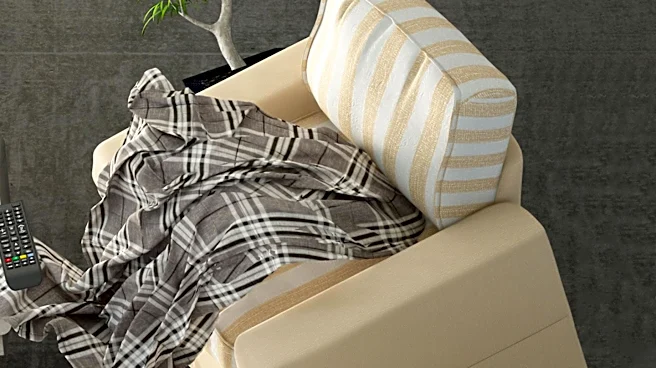
JASIWAY, a modern furniture brand, has announced the launch of its best-selling Modern Sleeper Sofa Chair on Wayfair. This product is designed to cater to the growing demand for multifunctional furniture in American
homes, particularly in urban areas where space is limited. The sleeper sofa chair serves as both a comfortable lounge chair and a practical sleeping surface, making it ideal for small apartments, guest rooms, and hybrid living environments. This launch reflects a broader trend in the U.S. towards space-efficient living solutions, driven by rising housing density and evolving work patterns. The availability of this product on Wayfair highlights the increasing consumer interest in convertible furniture solutions that can adapt to various needs throughout the day.
Why It's Important?
The introduction of JASIWAY's Modern Sleeper Sofa Chair on Wayfair is significant as it addresses the growing need for adaptable living solutions in the U.S. With urban centers like New York, Los Angeles, and Chicago experiencing high rent costs and reduced living spaces, there is a heightened demand for furniture that maximizes functionality without requiring additional square footage. This trend is not only prevalent in urban areas but is also gaining traction in suburban regions where younger homeowners are opting for more flexible living arrangements. The shift towards multifunctional furniture reflects changing consumer behaviors, where furniture is expected to support multiple daily functions, including remote work, entertainment, and guest accommodation. This evolution in consumer expectations is reshaping the furniture industry, emphasizing the importance of products that offer both comfort and versatility.
What's Next?
As the demand for multifunctional furniture continues to grow, companies like JASIWAY are likely to expand their product offerings to include more adaptable and space-efficient solutions. The trend towards hybrid living environments is expected to persist, driven by ongoing urbanization and the increasing prevalence of remote work. Furniture manufacturers may focus on developing integrated systems that offer modularity and long-term usability, catering to the evolving needs of modern households. Additionally, sustainability considerations are becoming more prominent, with consumers favoring durable and long-lasting furniture that reduces waste. This shift towards adaptive living systems is likely to influence future design trends, with an emphasis on intelligent furniture systems that balance aesthetics with practical performance.