



What's Happening?
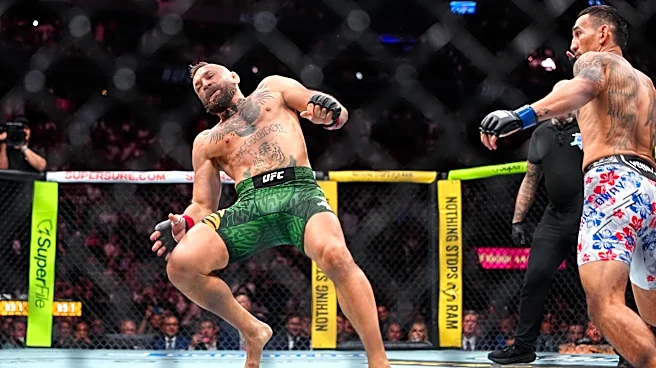
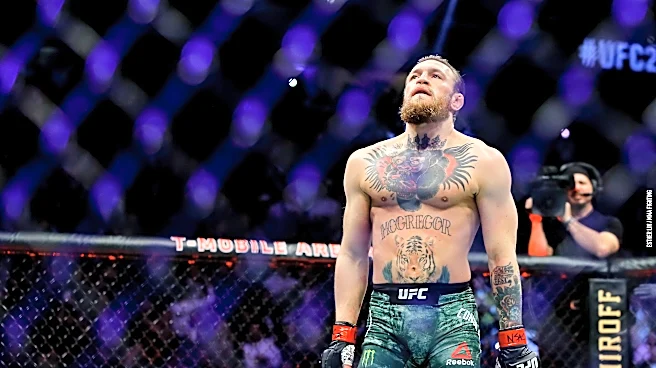
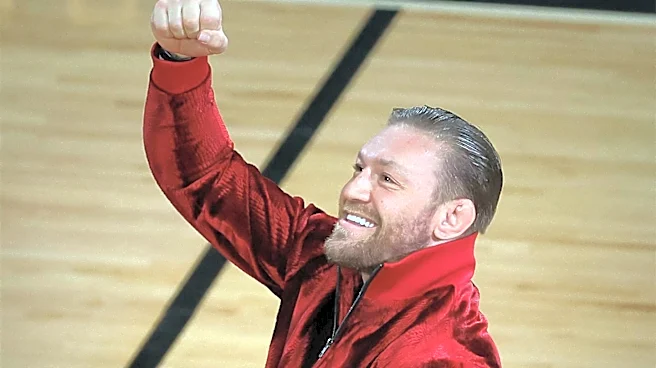
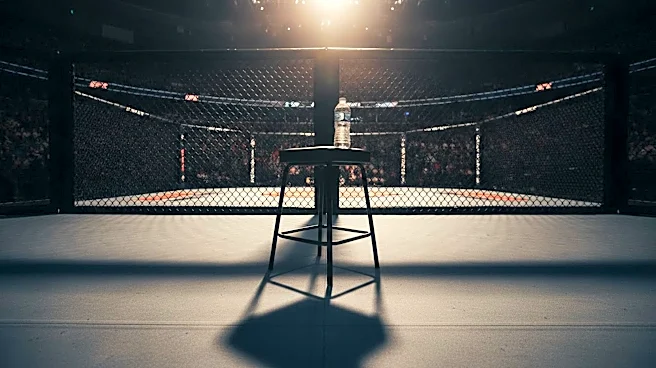
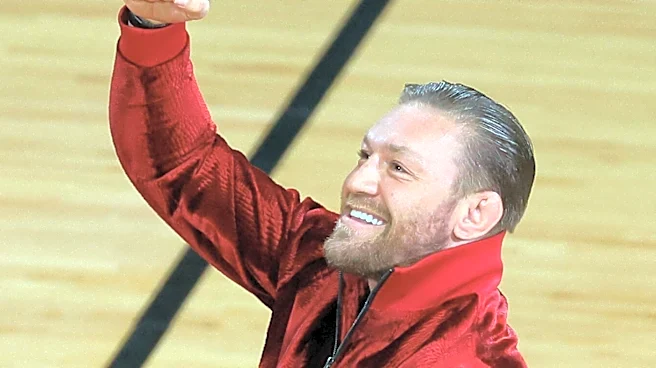
Conor McGregor's highly anticipated return to the UFC octagon ended abruptly due to a knee injury during UFC 329. The event, held at T-Mobile Arena, marked McGregor's first fight in over five years. Despite an electric atmosphere and McGregor's confident
demeanor, the fight concluded just 69 seconds into the first round when McGregor's knee buckled, leading to a stoppage by referee Mike Beltran. Max Holloway, McGregor's opponent, was declared the winner. The injury's severity is yet to be confirmed, but it has raised questions about McGregor's future in MMA, especially given his history of injuries and recent performance record.
Why It's Important?
McGregor's return was seen as a significant event for the UFC, given his status as one of the sport's biggest stars. His injury not only impacts his career but also the UFC's ability to draw large audiences, as McGregor's fights have historically been major draws. The incident highlights the physical risks associated with MMA and raises concerns about the longevity of fighters' careers. For fans and the sport, McGregor's potential exit could mean the loss of a charismatic figure who has been central to MMA's popularity surge over the past decade.
What's Next?
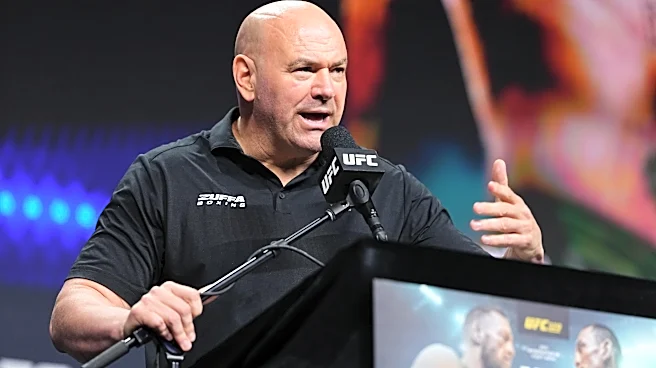
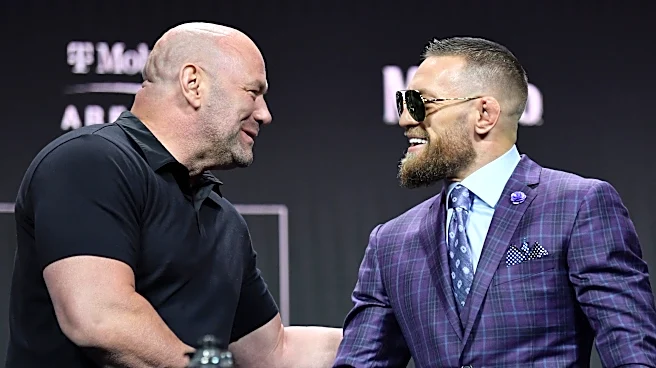
The immediate focus will be on assessing the extent of McGregor's injury and determining his recovery timeline. UFC President Dana White has speculated that McGregor may have torn his ACL, which could sideline him for an extended period. Discussions about a potential rematch with Holloway or other future fights will depend on McGregor's health and willingness to continue competing. The UFC will need to strategize on maintaining viewer interest and promoting other fighters to fill the potential void left by McGregor's absence.