
What's Happening?
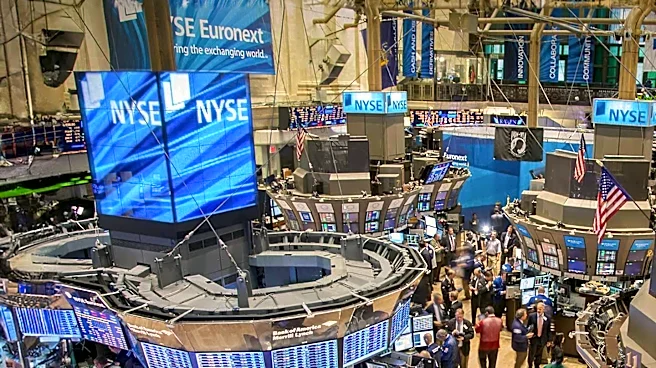
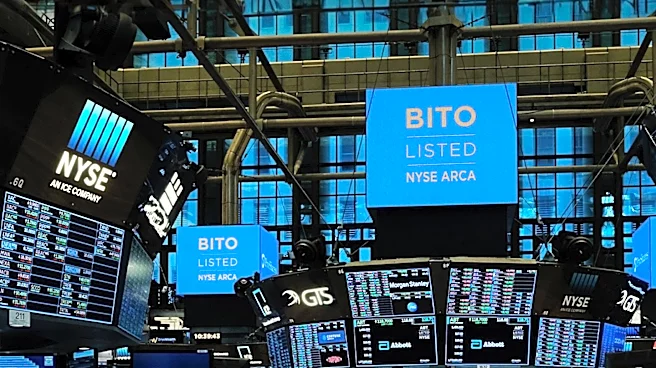
The New York Stock Exchange (NYSE) Arca, an electronic exchange for exchange-traded products and stocks, is set to introduce an overnight trading session, moving towards a nearly continuous 23-hour-per-day,
five-day-per-week (23x5) trading schedule. This change, approved by the Securities and Exchange Commission (SEC) on April 10, 2026, follows a similar proposal by Nasdaq Stock Market. The NYSE Arca model will add a fourth trading session from 9:00 p.m. to 4:00 a.m. ET, while its existing three sessions will largely remain unchanged. The new trading week will commence on Sundays at 9:00 p.m. ET and conclude on Fridays at 8:00 p.m. ET, with a one-hour trading pause daily from 8:00 p.m. to 9:00 p.m. ET. This overnight session will feature continuous trading without an opening auction and will have limited functionality, primarily accessible to U.S. broker-dealers who are members of the exchange. Trades made between 9:00 p.m. and 11:59 p.m. ET will be reported with the next calendar day’s trade date, while trades from midnight to 4:00 a.m. ET will carry the current calendar day’s trade date. The extended trading hours are expected to launch on December 6, 2026, pending further SEC approvals and infrastructure updates.
Why It's Important?
The implementation of 23x5 trading by NYSE Arca signifies a significant shift in U.S. capital markets, aiming to broaden investor access and enhance capital efficiency globally. This move will impact all public companies with securities listed on national exchanges, as any National Market System (NMS) stock can be traded on NYSE Arca, regardless of its primary listing. The extended hours could alter risk assessment and the structure of capital markets transactions, as the window for information leakage to affect trading prices will increase. Public companies may need to review and amend corporate policies, such as insider trading policies and trading windows, to address ambiguities arising from the new session structures. Additionally, disclosure practices, particularly regarding earnings releases and material information, may need to be re-evaluated, as information could be released into a live exchange market during overnight hours. The long-term impact on market behavior and the significance of overnight trading volume remain to be seen, but companies are advised to monitor these developments closely.
What's Next?
The extended trading hours are slated to launch on December 6, 2026, subject to additional SEC approvals and necessary infrastructure updates. Public companies are encouraged to proactively review and potentially amend their corporate policies and transaction documents to align with the new 23x5 trading framework. This includes clarifying definitions related to exchange-defined sessions and market hours. National exchanges, including NYSE and Nasdaq, have proposed expanding regulatory halt rules to address concerns about processing complex corporate actions during the compressed one-hour trading pause. These expanded rules would trigger a halt for specific corporate actions, extending the pause through the entire overnight session if necessary, to ensure fair and orderly markets and investor protection. Companies will need to monitor market dynamics and adjust their disclosure practices as market behavior evolves, especially if significant overnight trading volume emerges. The SEC may also need to consider extending EDGAR filing hours to accommodate potential changes in disclosure practices.
Beyond the Headlines
The shift towards nearly continuous trading reflects a broader trend in global financial markets to increase accessibility and responsiveness. While the immediate impact on overnight trading volume is uncertain, this development lays the groundwork for a more interconnected and potentially more volatile trading environment. The ethical implications of extended trading hours include the potential for increased stress on market participants and the need for robust regulatory oversight to prevent market manipulation during less liquid overnight sessions. Legally, the expansion of regulatory halt rules is crucial to maintain market integrity and protect investors during complex corporate actions. Culturally, this move could further blur the lines between traditional work hours and market activity, potentially influencing work-life balance for those in the financial sector. This initiative is seen as a significant step towards continuous trading, which could fundamentally reshape how capital is raised and traded in the U.S. and globally, fostering a more dynamic yet challenging financial landscape.