








What's Happening?
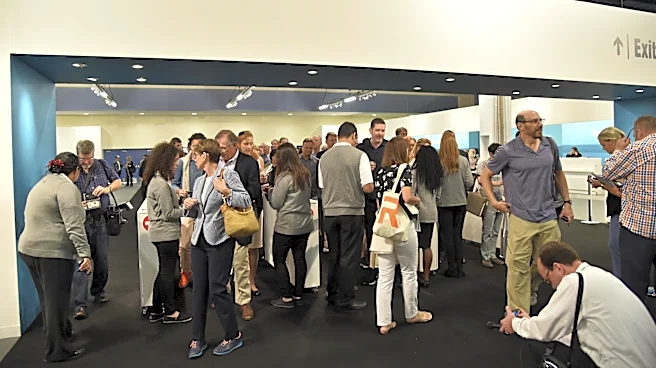
At Greenbuild 2026 in New York, sustainability leaders, architects, designers, and manufacturers convened for a roundtable discussion on circularity and beauty within the built environment. The core message from the discussion was that circularity in architecture
and design currently relies too heavily on 'individual champions.' While architects and interior designers may be committed to salvaging materials, a lack of established procedures and procurement requirements among project teams often leads to missed opportunities for reuse. The discussion highlighted that adaptive reuse and retaining existing building elements are gaining popularity, but furniture presents a more complex challenge for reuse. Manufacturers have made progress with take-back programs, but a persistent issue is tracking materials 10 to 20 years after installation when original project teams are no longer involved. The panel emphasized the need for better tracking systems, such as QR codes and material documentation, to ensure materials designed for recovery do not end up as construction waste.
Why It's Important?
The shift towards systemic circularity in the U.S. architecture and design industries is crucial for mitigating the environmental impact of construction. The current reliance on individual efforts rather than established processes means that significant opportunities for material reuse and waste reduction are being missed. This impacts not only environmental sustainability but also economic efficiency, as contractors could potentially save on disposal and tipping fees by recovering materials. The challenges with reusing furniture and tracking materials over time highlight systemic inefficiencies that prevent a truly circular economy. Implementing robust policies, economic incentives, and shared recycling infrastructure, as discussed at Greenbuild, could transform the industry, creating new business models and job opportunities in material recovery and refurbishment. This would also influence public perception, making reclaimed materials more desirable and integrating sustainability deeper into design culture.
What's Next?
The discussions at Greenbuild 2026 suggest a future focus on developing comprehensive policies and economic incentives to support manufacturer take-back programs and broader, shared recycling infrastructure. This includes exploring models like the Lifecycle Building Center in Atlanta and emerging initiatives in New York's Hudson Valley, which combine material recovery with local workforce development. The industry is expected to move towards better tracking systems, such as QR codes and improved material documentation, to ensure the end-of-life pathway for materials is considered at the specification stage. Designers may also increasingly focus on creating interiors with fewer furniture types and products, standardizing selections, and refurbishing components to extend product life. The goal is to integrate circularity as a process across all design scales, moving beyond individual initiatives to a more systemic approach.
Beyond the Headlines
The Greenbuild 2026 discussions reveal a deeper cultural challenge within the design industry: the perception that new materials are inherently more desirable than existing ones. This cultural bias often hinders the widespread adoption of reclaimed materials, despite their environmental benefits. The concept of 'beauty in imperfection' was introduced, suggesting that cities and buildings, like layered environments shaped by successive generations, can find aesthetic value in reuse. This implies a potential shift in design philosophy, where the history and narrative embedded in recovered materials become a valued aspect of design. Furthermore, the role of physical spaces in communicating sustainability in an increasingly digital culture was highlighted, suggesting that the materiality and authenticity of buildings can become part of their cultural appeal, influencing societal values and perceptions of sustainability beyond mere metrics.