




What's Happening?
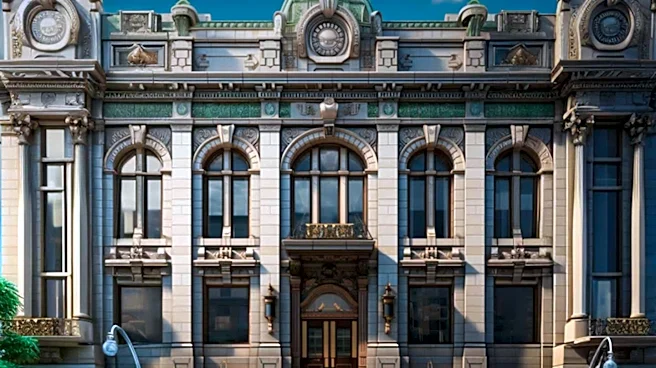
Detroit's boutique hotel scene is experiencing a renaissance, with historic buildings being transformed into stylish accommodations. The Siren Hotel, located in a century-old Italian Renaissance building, exemplifies this trend. Once home to the Wurlitzer
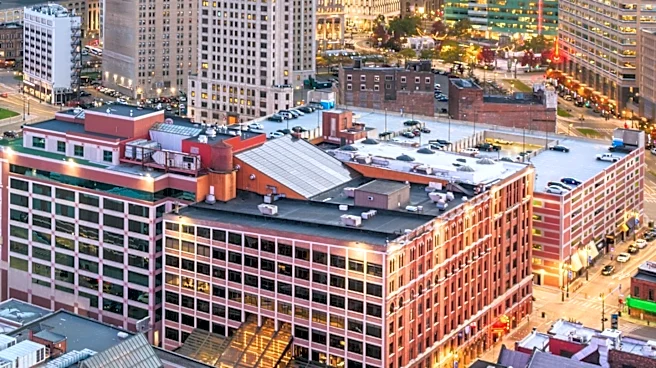
music company, the building has been reimagined by design outfit Ash into a boutique hotel. The Siren features custom terrazzo-tiled baths, a cocktail lounge, and a bar called Chenin. This transformation is part of a broader revitalization effort in Detroit, where travelers are increasingly drawn to the city's unique architecture, music, art, and culinary offerings. The city's skyline, once marked by crumbling buildings, now reflects a vibrant energy as historic structures are restored and repurposed.
Why It's Important?
The revitalization of Detroit's historic buildings into boutique hotels is significant for several reasons. It represents a shift in the city's image from a struggling urban area to a destination for design lovers and cultural enthusiasts. This transformation is attracting tourists, which boosts the local economy and supports small businesses. The restoration of these buildings also preserves Detroit's architectural heritage, contributing to the city's cultural identity. As more travelers visit Detroit, the demand for unique accommodations like The Siren Hotel increases, further stimulating economic growth and urban development.
What's Next?
As Detroit continues to attract tourists, the trend of converting historic buildings into boutique hotels is likely to grow. This could lead to increased investment in the city's hospitality sector and further urban revitalization. Local businesses may benefit from the influx of visitors, and new opportunities for cultural and artistic events could emerge. The success of hotels like The Siren may inspire similar projects in other cities with rich architectural histories, potentially leading to a broader trend of urban renewal through boutique hospitality.
Beyond the Headlines
The transformation of Detroit's historic buildings into boutique hotels raises questions about gentrification and its impact on local communities. While the revitalization brings economic benefits, it may also lead to increased property values and living costs, potentially displacing long-time residents. Balancing development with community needs will be crucial to ensuring that the benefits of urban renewal are shared equitably. Additionally, the preservation of architectural heritage through these projects highlights the importance of sustainable development practices that respect cultural history while fostering economic growth.