






What's Happening?
U.S. shale oil companies, including major players like ConocoPhillips and Chevron, are significantly cutting their spending plans despite a period of higher international oil prices. According to Oil & Gas 360, Chevron and ConocoPhillips decreased their spending by
10% in the first half of the year, while Occidental Petroleum reduced its Permian operations spending by as much as 20%. Other companies such as APA Corp., HighPeak Energy, and Matador are also following this trend. This strategic shift prioritizes debt reduction and boosting shareholder returns over increasing production growth. This approach has been a consistent theme in the industry for several years, indicating a structural change where fiscal discipline and shareholder value are paramount, even amidst global oil crises. The International Energy Agency projects a global oil market deficit of 1.8 million barrels daily, yet U.S. shale producers are maintaining consistent production levels rather than significantly boosting output.
Why It's Important?
This trend among U.S. shale majors has significant implications for the global oil supply and the U.S. energy sector. By prioritizing financial discipline and shareholder returns, these companies are deliberately limiting production growth, which could exacerbate an impending global oil shortage. The International Energy Agency's forecast of a 1.8 million barrels daily deficit highlights the potential for increased price volatility and supply concerns. For the U.S. economy, this means that while oil companies may see improved financial health through reduced debt and higher shareholder payouts, the broader market could face higher energy costs. Consumers and industries reliant on stable oil prices may experience adverse effects. This shift also signals a maturation of the shale industry, moving away from aggressive growth at all costs towards a more sustainable, albeit slower, expansion model. The decision to not significantly increase production, even with geopolitical tensions and supply squeezes, underscores a fundamental change in industry priorities.
What's Next?
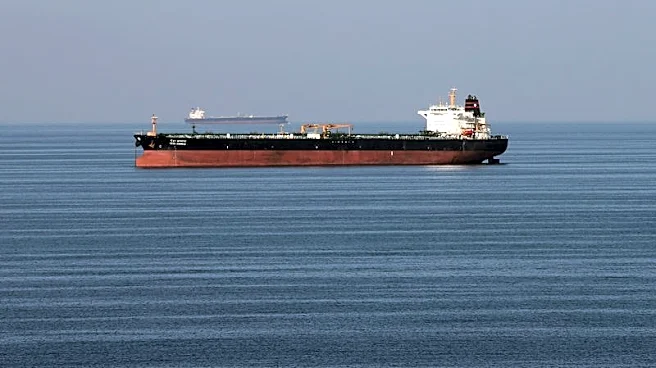
The continued focus on fiscal discipline by U.S. shale majors suggests that oil production growth in the U.S. may slow down in the coming months, potentially leading to a global oil shortage as projected by the International Energy Agency. The Energy Information Administration anticipates a modest increase of 200,000 barrels per day in average daily production for the current year, reaching 13.8 million barrels, which is significantly less than what might be expected given current oil prices and supply concerns. This indicates that the industry's current strategy is unlikely to change in the short term, even if global supply issues persist, such as a continued blockage of the Strait of Hormuz. Stakeholders, including consumers, businesses, and policymakers, should anticipate sustained higher oil prices and potential supply constraints. The industry will likely continue to monitor well depletion rates and productivity declines, which also play a role in their production decisions, further influencing future output levels.
Beyond the Headlines
The shift in strategy by U.S. shale majors reflects a deeper transformation within the energy sector, moving away from a 'growth at all costs' mentality that characterized the early shale boom. This new paradigm emphasizes long-term financial health, investor confidence, and capital efficiency over market share expansion. The ethical dimension arises from the balance between meeting global energy demand and satisfying shareholder expectations. While higher oil prices benefit producers, they can burden consumers and potentially slow economic growth. This strategic pivot also highlights the evolving relationship between energy companies and their investors, where sustained profitability and returns are now favored over rapid, often debt-fueled, expansion. The long-term implications could include a more consolidated and financially robust U.S. oil industry, but also a global energy market that is more susceptible to supply shocks due to a less elastic supply response from a major producer.