


What's Happening?
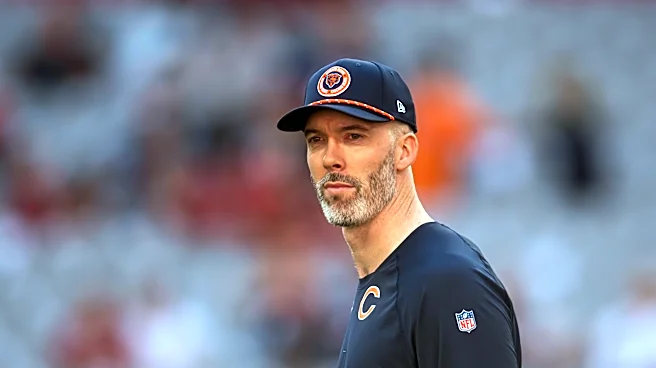
Travis Vokolek, a tight end for the Arizona Cardinals, has announced his retirement from the NFL following medical advice due to a serious neck injury sustained last season. The injury occurred during a game when Vokolek was involved in a collision while
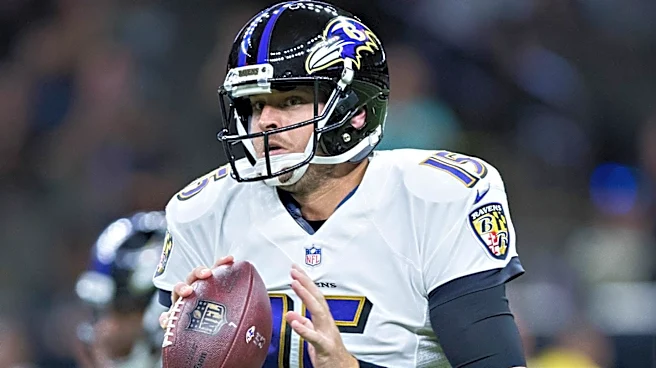
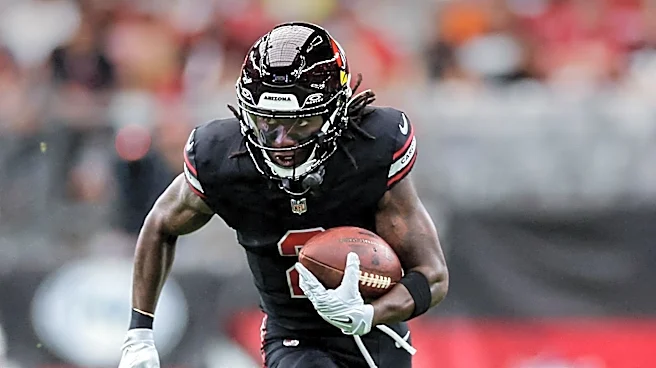
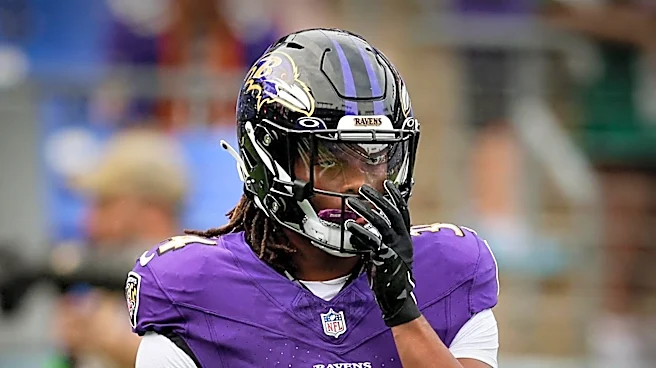
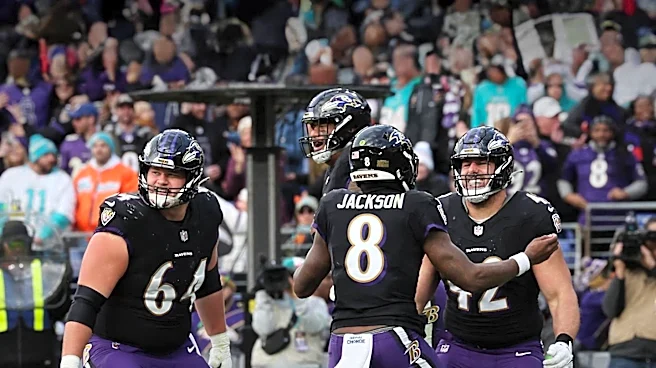
blocking on a kickoff, leading to his removal from the field on a stretcher. After consulting with doctors and neurologists, Vokolek decided to retire, expressing gratitude for his career and the support from his team and family. Vokolek joined the NFL as an undrafted rookie with the Baltimore Ravens in 2023, later moving to the Cardinals where he played until his retirement.
Why It's Important?
Vokolek's retirement highlights the physical risks associated with professional football, particularly the potential for career-ending injuries. His decision underscores the importance of player safety and the role of medical advice in determining career longevity. The NFL and teams like the Cardinals may face increased scrutiny regarding player health protocols and support systems. Vokolek's departure also impacts the Cardinals' roster, necessitating adjustments and potential recruitment to fill his position. This event may influence discussions on improving safety measures and support for injured players within the league.
What's Next?
The Arizona Cardinals will need to address the gap left by Vokolek's retirement, potentially seeking new talent to strengthen their lineup. The NFL may continue to evaluate and enhance safety protocols to prevent similar injuries. Vokolek's retirement could prompt further dialogue among players, teams, and medical professionals about the long-term health implications of football. Fans and stakeholders may watch closely for any changes in league policies or team strategies in response to this incident.
Beyond the Headlines
Vokolek's retirement due to injury may contribute to broader discussions about the ethical responsibilities of sports organizations in protecting player welfare. It raises questions about the adequacy of current safety measures and the long-term health risks players face. This situation could lead to increased advocacy for better medical support and career transition programs for athletes. The cultural impact of such retirements may also influence young athletes' perceptions of the sport and their career choices.