









What's Happening?
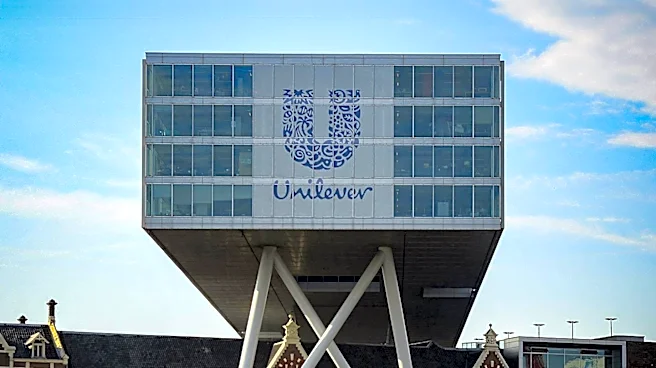
Unilever is shifting its marketing strategy to focus more heavily on influencer marketing, moving away from traditional fixed 'big ideas' to a more flexible approach. This change reflects a recognition of the cultural and creative power of influencers,
who are now seen as integral to the creative process rather than just distribution channels. The company aims to leverage the unique insights and content creation skills of influencers to enhance brand engagement. This strategy involves integrating influencers into the creative process, allowing them to contribute to the development of marketing campaigns. The move is part of a broader trend where brands are increasingly valuing the input of influencers in shaping marketing strategies.
Why It's Important?
Unilever's strategy highlights a significant shift in how major brands approach marketing, emphasizing the importance of adaptability and collaboration with influencers. This approach can lead to more authentic and engaging content, as influencers bring their own perspectives and creativity to the table. By involving influencers in the creative process, brands can better connect with audiences and enhance their cultural relevance. This shift also reflects a broader industry trend towards more dynamic and responsive marketing strategies, which can help brands stay competitive in a rapidly changing digital landscape. The move underscores the growing importance of influencer marketing as a key component of brand strategy.
What's Next?
As Unilever continues to integrate influencers into its marketing strategy, other brands may follow suit, leading to a more widespread adoption of flexible and collaborative marketing approaches. This could result in a shift away from traditional advertising models towards more personalized and engaging content. Brands may need to invest in building strong relationships with influencers and developing strategies that allow for creative input and collaboration. The success of this approach will likely depend on the ability of brands to effectively manage these partnerships and ensure that influencer contributions align with overall brand objectives.