






What's Happening?
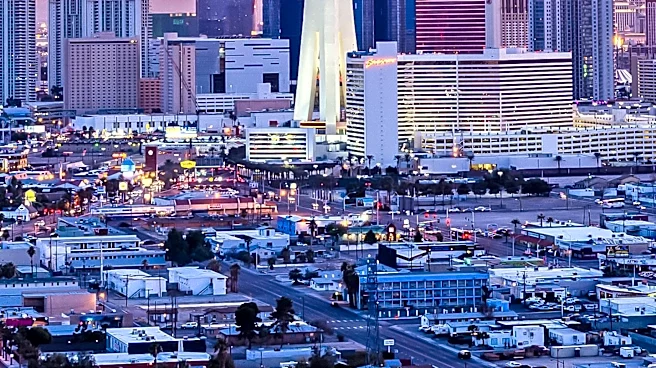
Las Vegas is currently leading the nation in rental concessions, with 51.7% of apartment listings in the area offering incentives, significantly higher than the national average of 39.7%. This marks the highest rate among the 50 largest U.S. metropolitan
areas, according to Zillow's June rental report. The share of listings with concessions has increased by 15.5 percentage points over the past year, the largest jump in any top 50 metro. This surge in concessions is a direct result of a pandemic-era boom in multifamily construction, fueled by low interest rates and strong demand. A wave of new apartments has entered the market over the last 18 months, particularly in areas like the southwest valley, Spring Valley, and North Las Vegas, creating an abundance of options for renters and putting pressure on landlords to offer incentives such as free rent.
Why It's Important?
This trend signifies a significant shift in the rental market dynamics in Las Vegas, placing renters in a more advantageous position. The increased supply of apartments, driven by robust construction, has led to a more competitive environment for property managers, who are now compelled to offer concessions to attract tenants. This situation provides tangible affordability relief for renters, as rents have remained largely flat year-over-year. The Las Vegas market serves as a prime example of how increased housing supply can directly impact rental prices and tenant leverage, offering a case study for other U.S. cities grappling with housing affordability issues. This development is particularly important for the local economy, as it can influence migration patterns and the overall cost of living, potentially attracting new residents and businesses to the region.
What's Next?
The current favorable conditions for renters in Las Vegas may be temporary. The construction pipeline for new multifamily units is projected to shrink substantially by the end of the year. This anticipated reduction in new supply raises questions about the long-term sustainability of the current renter-friendly market. It is possible that as the supply of new apartments tightens, rental rates could begin to climb again, and the prevalence of concessions might decrease. Stakeholders, including renters, property managers, and developers, will be closely monitoring these trends to anticipate future market shifts. The situation could also prompt discussions among local policymakers about strategies to maintain housing affordability and ensure a balanced rental market in the face of fluctuating construction rates.
Beyond the Headlines
The situation in Las Vegas highlights a broader economic principle: the impact of supply and demand on market prices. The pandemic-era construction boom, driven by specific economic conditions, created an artificial surge in housing supply that temporarily empowered renters. However, the expected slowdown in construction underscores the cyclical nature of real estate markets and the potential for rapid shifts. This scenario also brings to light the challenges of long-term urban planning and the need for sustainable housing development policies that can adapt to changing economic landscapes. The experience in Las Vegas could serve as a valuable lesson for other rapidly growing U.S. cities, emphasizing the importance of continuous monitoring of housing supply and demand to prevent extreme market fluctuations and ensure equitable housing opportunities for all residents.