

What's Happening?
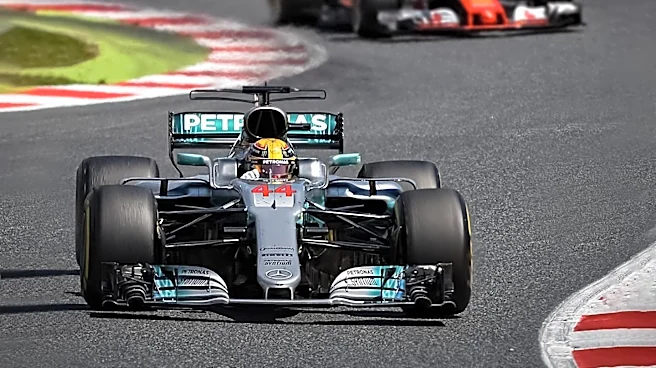
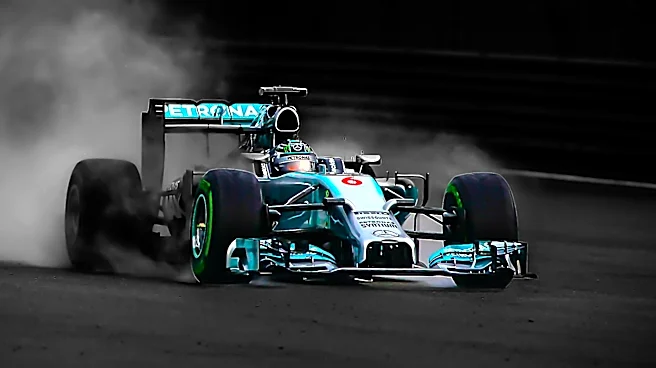
Mercedes has adopted an unconventional strategy for its Formula 1 car upgrades, focusing on a significant development push in the second half of the season. Deputy Technical Director Simone Resta explained that the team started with a strong baseline
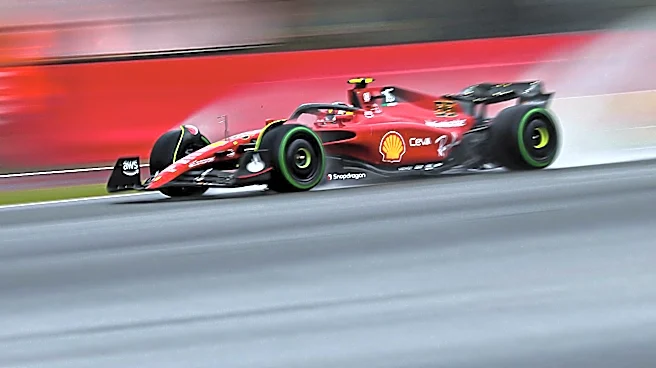
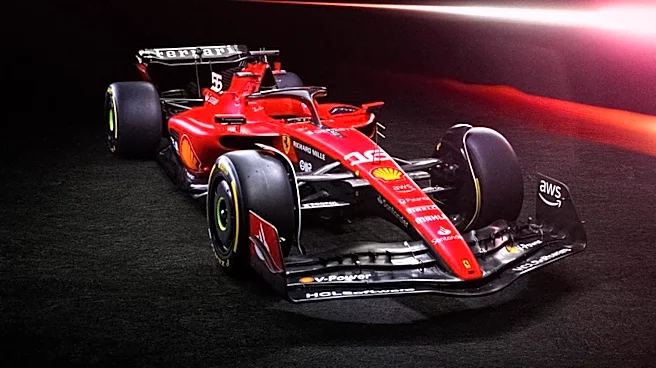
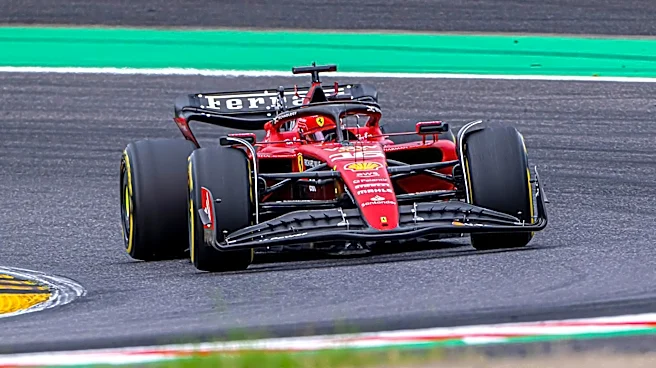
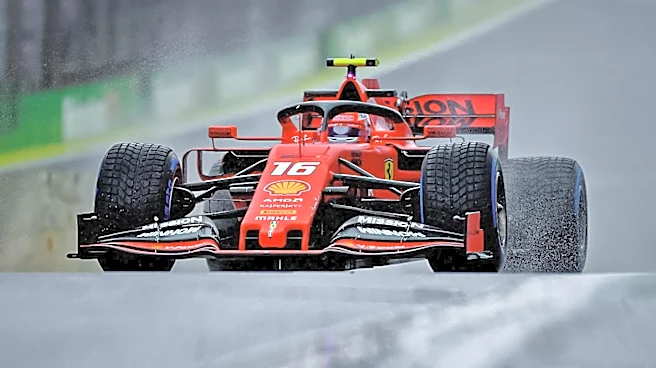
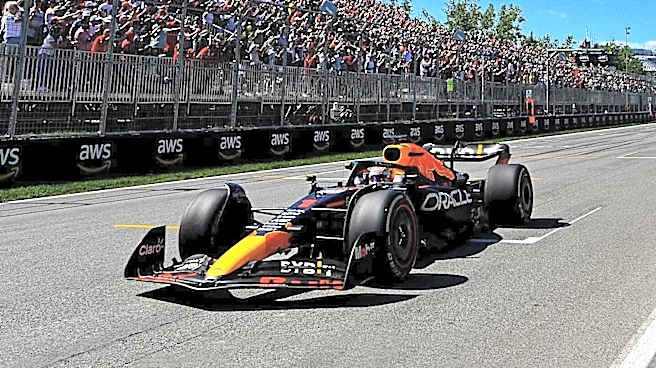
car and introduced incremental updates, with a major package debuting in Canada. This approach contrasts with rivals like Ferrari and Red Bull, who implemented substantial upgrades earlier. Mercedes' strategy aims to maintain its lead in the constructors' championship, despite Ferrari's efforts to close the gap.
Why It's Important?
Mercedes' strategy reflects a calculated risk in the highly competitive F1 environment. By pacing their upgrades, Mercedes aims to sustain performance advantages over the season, potentially influencing the championship outcome. This approach highlights the strategic diversity in F1, where teams must balance immediate performance gains with long-term competitiveness. The success or failure of Mercedes' strategy could impact future development plans and set a precedent for other teams. It also underscores the importance of innovation and adaptability in maintaining a competitive edge.
What's Next?
Mercedes plans to introduce larger upgrades after the summer break, which will be crucial in determining the effectiveness of their strategy. The team's performance in the upcoming races will be closely monitored by competitors and stakeholders. If successful, Mercedes' approach could influence other teams' development strategies, emphasizing the importance of timing and resource allocation in F1. The outcome will also affect the constructors' championship standings and the team's reputation as a leader in F1 innovation.