



What's Happening?
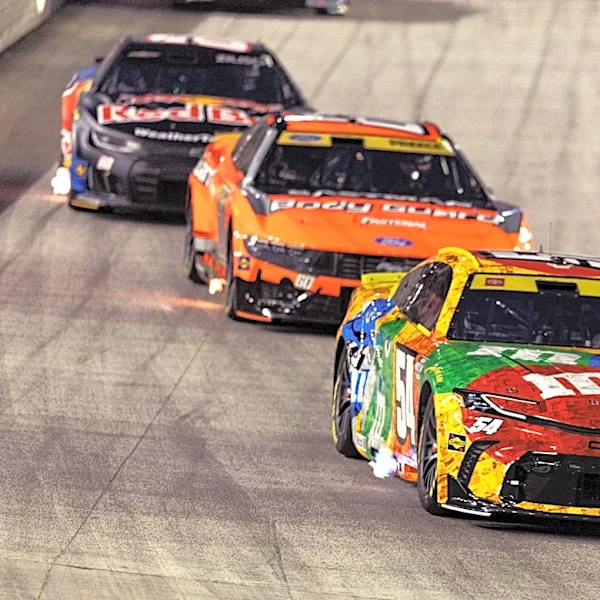
NASCAR is exploring significant changes to its race schedule, particularly considering moving Cup Series races away from Sundays during the NFL season, following its current $7.7 billion media rights deal which concludes in 2031. Chief Operating Officer
Ben Kennedy indicated that the organization is evaluating '2032 inventory start dates and dates' to address the challenge of competing with the NFL for viewership. This comes as fans and drivers, including Chase Elliott, have advocated for Saturday races to alleviate logistical issues for attendees. The current media deal, a seven-year agreement worth $1.1 billion annually, has seen a decline in overall Cup Series viewership, dropping 14.7% year-over-year in its first year, averaging 2.45 million viewers compared to 2.87 million previously. This decline is partly attributed to the deal having the fewest free-to-air NASCAR races in history, with network races reduced from 20 to just 8 across FOX and NBC, leading to increased reliance on multiple paid cable channels and streaming subscriptions for fans.
Why It's Important?
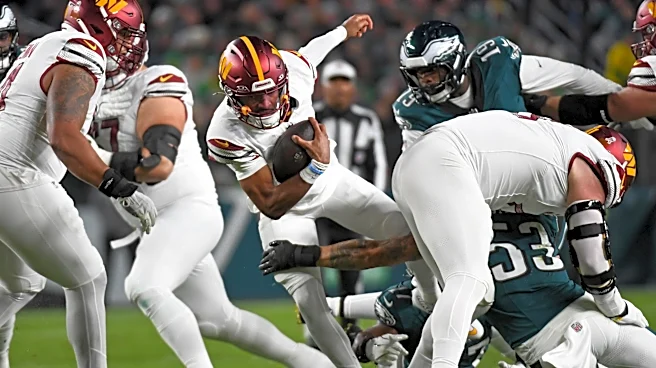
This potential schedule overhaul is critical for NASCAR's long-term viewership and financial health. The NFL's dominance in Sunday television windows, regularly attracting 18 to 24 million viewers compared to NASCAR's 1.5 to 2.8 million for postseason races, presents a significant competitive hurdle. By shifting races, NASCAR aims to capture a larger, less fragmented audience, potentially boosting viewership and making future media rights deals more lucrative. The current deal, while financially stable, has inadvertently impacted casual viewership due to fewer free-to-air races, creating a barrier for new fans. A revised schedule could also improve the fan experience by reducing late-night travel for Sunday race attendees, addressing a concern raised by drivers like Chase Elliott. This strategic move could redefine how NASCAR engages with its audience and positions itself within the competitive U.S. sports landscape, ensuring its relevance and growth beyond the current media agreement.
What's Next?
NASCAR has already initiated discussions with race teams regarding future scheduling, with Chief Operating Officer Ben Kennedy confirming meetings earlier in September. While no final decisions have been made, the organization has several years before the current media deal expires in 2031 to finalize its strategy for the post-2031 cycle. The focus will likely be on balancing broadcaster needs with fan engagement and viewership growth. Potential reactions from stakeholders could include broadcasters negotiating new terms based on revised schedules, and fan groups advocating for specific changes, such as more Saturday races. The outcome of these discussions will shape the sport's broadcast model and fan accessibility for years to come, with the ultimate goal of improving viewership numbers that have seen a decline under the current media agreement.
Beyond the Headlines
The contemplation of a schedule change by NASCAR highlights a broader trend in the U.S. sports industry: the increasing competition for audience attention and the strategic importance of media rights. This move reflects a recognition that traditional scheduling models may no longer be optimal in a fragmented media landscape. Beyond the immediate viewership numbers, a shift could impact the cultural integration of NASCAR into American weekends, potentially creating new traditions or altering existing ones. It also raises questions about the balance between maximizing revenue from media deals and maintaining accessibility for a broad fan base, especially with the reduction of free-to-air races. The decision will not only influence NASCAR's economic future but also its identity and how it positions itself against other major sports leagues in the evolving entertainment market.