




What's Happening?
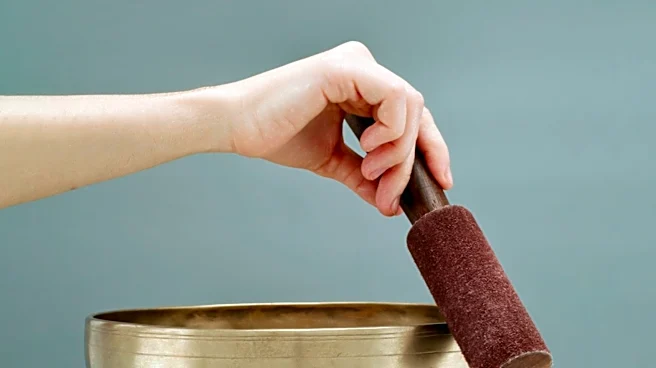
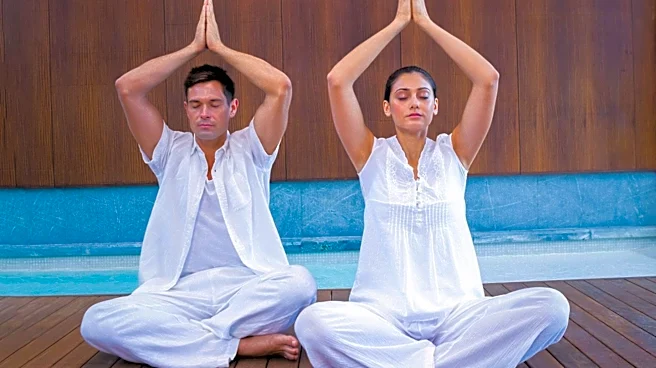
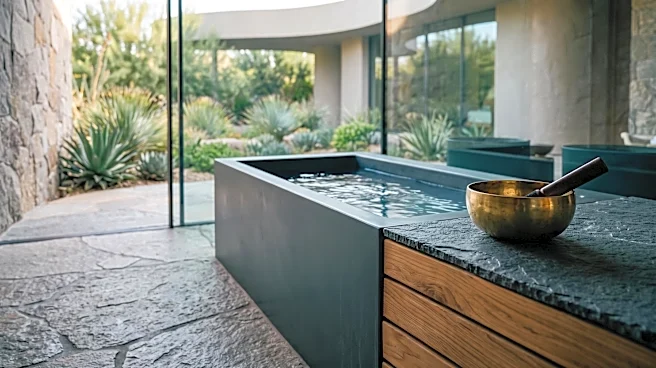
Sound baths are emerging as a popular immersive meditation experience, utilizing instruments such as crystal singing bowls, chimes, gongs, and drums to generate layers of sound and resonance. Unlike traditional guided meditation, participants are typically
encouraged to lie down, get comfortable, and simply listen without specific instructions or the need to clear their minds. The practice aims to promote deep rest and relaxation. Scientific interest in sound meditation is growing, particularly concerning its potential to alleviate stress. A 2017 observational study indicated that participants reported reduced tension, anger, and fatigue after engaging in a singing bowl meditation session. While research is still in its early stages, the findings suggest that intentional pauses and relaxation practices, such as sound baths, can contribute to overall well-being. Bien Good WELL, for instance, integrates sound meditation into corporate wellness programs, community gatherings, and private sessions, sometimes combining it with breathwork or movement.
Why It's Important?
The increasing adoption of sound baths highlights a growing societal interest in alternative and complementary wellness practices for managing stress and enhancing mental well-being. In a fast-paced U.S. society, where stress and anxiety are prevalent, practices that offer accessible relaxation techniques can have a significant impact on public health and productivity. The integration of sound meditation into corporate wellness programs, as noted with Bien Good WELL, suggests that businesses are recognizing the value of employee well-being initiatives that go beyond traditional benefits. This trend could lead to broader acceptance and incorporation of such practices in various sectors, potentially influencing healthcare approaches to stress management and mental health support. The emphasis on 'intentional pauses' and 'relaxation practices' underscores a shift towards proactive self-care, which could reduce the burden on conventional healthcare systems by fostering resilience and preventing stress-related ailments.
What's Next?
As scientific research into sound meditation continues to evolve, there is potential for a more robust understanding of its mechanisms and benefits. This could lead to increased validation and integration of sound baths into mainstream wellness and therapeutic settings. The growing interest may also spur the development of more structured programs and certifications for sound bath practitioners, ensuring quality and consistency in the practice. Furthermore, the accessibility of sound baths, requiring no prior experience or specific physical abilities, suggests that their reach could expand to diverse demographics, including those in underserved communities. The continued exploration of how sound baths can be combined with other wellness modalities, such as breathwork or movement, may also lead to innovative hybrid practices that offer enhanced benefits for participants.
Beyond the Headlines
The rise of sound baths reflects a deeper cultural shift towards holistic approaches to health and a re-evaluation of traditional healing practices. It highlights a societal yearning for experiences that offer respite from constant digital stimulation and the demands of modern life. The practice taps into ancient wisdom traditions that have long recognized the therapeutic power of sound, now being reinterpreted through a contemporary lens. This movement also raises questions about the interplay between subjective experience and scientific validation in wellness. While research is emerging, the personal testimonials and perceived benefits often drive participation, suggesting that the 'magic' of the practice might lie as much in the intentional space it creates for rest and introspection as in the direct physiological effects of sound. This trend could foster a greater appreciation for non-pharmacological interventions and a more nuanced understanding of well-being that encompasses mind, body, and spirit.