
What's Happening?
Dr. Margaret Tsai, a physical therapist with Sutter Health, recommends four specific stretches to perform after walking to maintain mobility and prevent stiffness. These stretches target major muscle groups
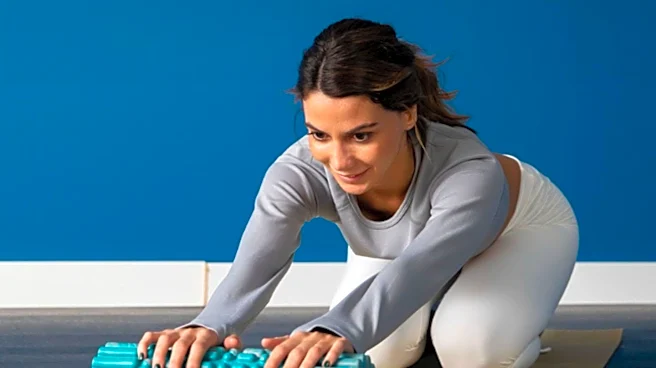
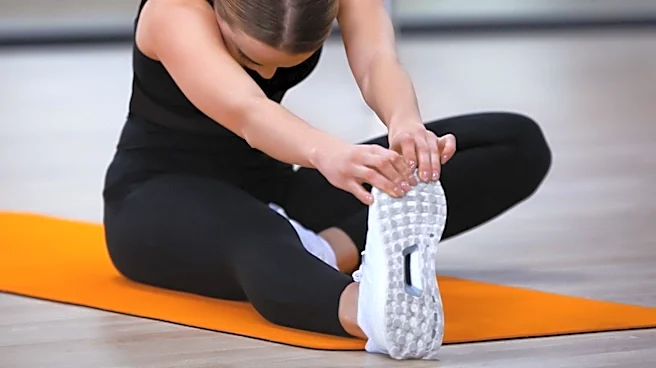
utilized during walking, including the core, back, hips/glutes, hamstrings, and calves. The recommended stretches are the standing calf stretch, cat-cow, figure-four stretch, and standing hamstring stretch. Dr. Tsai advises holding static stretches for 10-30 seconds, with older individuals potentially benefiting from longer durations of 30-60 seconds. The cat-cow stretch, which involves alternating between rounding and arching the back, should be performed for about one minute, coordinating with breathwork. She emphasizes easing into stretches until a comfortable tension is felt, never pain, and maintaining a neutral back position for most stretches.
Why It's Important?
Regular walking, especially longer sessions, can lead to stiffness and soreness in various muscle groups. Incorporating post-walk stretches, as recommended by Dr. Tsai, is crucial for mitigating these effects and maintaining overall physical mobility. By targeting key muscles like the quads, hamstrings, calves, and hips, these stretches help decrease joint stiffness and reduce muscle tension. This is particularly important for individuals who engage in regular walking as a form of exercise, as it can prevent discomfort, improve flexibility, and reduce the risk of injury. Maintaining good mobility is essential for daily activities and overall quality of life, especially as individuals age, making these simple yet effective stretches a valuable addition to any post-exercise routine.
What's Next?
Individuals can begin incorporating these four stretches into their post-walking routine, starting two to three times per week and gradually increasing to daily stretching if comfortable. It is advised to consult a doctor before starting any new exercise regimen, especially if there are existing injuries or reservations. Adhering to Dr. Tsai's advice of moving slowly, avoiding pain, and maintaining proper form will be key to safely and effectively benefiting from these stretches. Consistent application of these techniques is expected to lead to improved mobility, reduced muscle tension, and a decrease in post-walk stiffness, contributing to better long-term physical health.
Beyond the Headlines
The emphasis on post-exercise stretching highlights a broader understanding of holistic fitness that extends beyond the workout itself. It underscores the importance of recovery and maintenance in achieving long-term physical health and preventing chronic issues. Dr. Tsai's recommendations also reflect the growing recognition of physical therapy principles in everyday wellness, empowering individuals to take proactive steps in managing their body's response to physical activity. This approach can foster greater body awareness and encourage a more mindful engagement with exercise, promoting sustainable fitness habits rather than just intense workouts.