






What's Happening?
Rehan Ahmed, 40, has been sentenced to three years and six months in prison for operating a large-scale counterfeit vinyl record operation. Ahmed was found to have sold approximately $3.6 million (£2,743,000) worth of unauthorized records over a seven-year
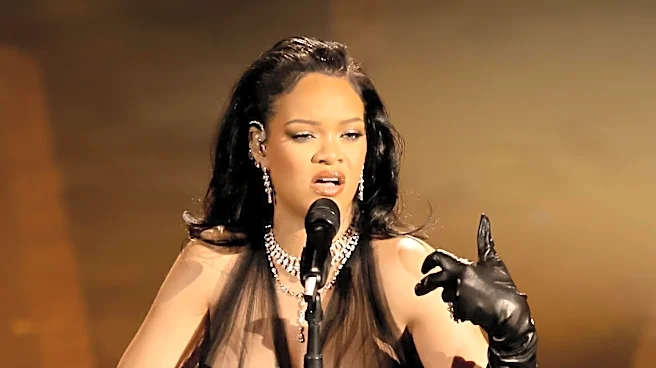
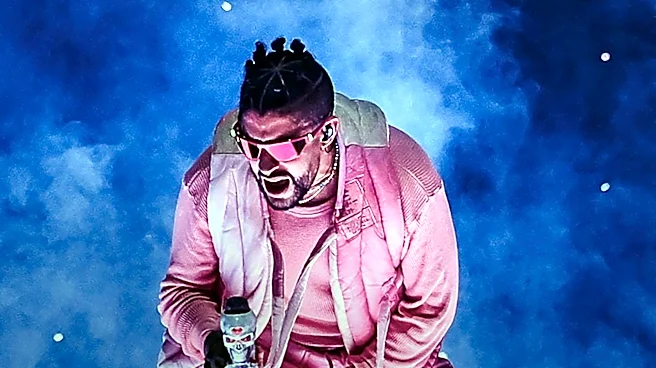
period. Police raided his Phoenix of Vinyl warehouse in 2024, discovering 15,000 bootleg LPs from 108 different artists, including prominent figures like Taylor Swift, Drake, Rihanna, Bad Bunny, The Beatles, and Ed Sheeran. Ahmed pleaded guilty to two charges: breach of artists’ copyright and acquiring and using criminal property. Authorities noted the facility was in disarray, with chemicals stored improperly and records scattered. He had previously received a cease and desist order in 2017 but continued his illicit activities.
Why It's Important?
This case highlights the growing issue of intellectual property theft within the resurgent vinyl market, impacting artists and the legitimate music industry. The significant financial scale of Ahmed's operation, totaling $3.6 million in sales, underscores the economic damage caused by counterfeiting. For artists like Rihanna and Taylor Swift, such activities directly undermine their earnings from legitimate sales and streaming, affecting royalties and overall revenue. The British Phonographic Institute (BPI) emphasized that this doesn't just harm the legal music economy but also funds other forms of criminality. This incident serves as a stark reminder for consumers to be vigilant about purchasing authentic products and for law enforcement to continue combating piracy to protect creators' rights and the integrity of the market.
What's Next?
The sentencing of Rehan Ahmed sends a clear message about the legal consequences of intellectual property infringement in the music industry. This case may lead to increased vigilance from industry bodies like the BPI and law enforcement agencies to identify and prosecute similar counterfeit operations, especially as physical music formats continue to gain popularity. Artists and their representatives may also enhance their efforts to monitor the market for unauthorized reproductions of their work. Consumers might see more public awareness campaigns about the risks of purchasing counterfeit goods and the importance of supporting legitimate artists. The music industry will likely continue to adapt its strategies to combat piracy in both digital and physical formats.
Beyond the Headlines
The rise of counterfeit vinyl records, as evidenced by this case, points to a broader challenge in the entertainment industry: how to protect intellectual property in an era of diverse consumption methods. While streaming dominates, the niche market for physical media like vinyl has seen a significant revival, creating new avenues for illicit activities. This situation raises ethical questions about consumer responsibility and the impact of purchasing cheap, unauthorized goods on artists' livelihoods and the creative ecosystem. It also highlights the often-hidden infrastructure of criminal enterprises that profit from artistic work without contributing to its creation or legitimate distribution, underscoring the need for robust legal frameworks and enforcement to safeguard creative industries globally.