








What's Happening?
The use of peptides in skincare and wellness has surged, driven by endorsements from celebrities and wellness influencers. Peptides, short chains of amino acids, are marketed for their potential benefits in skin health, longevity, and injury recovery.
Despite their popularity, many peptide injectables are unlicensed and lack reliable safety data, raising concerns about their long-term effects. Professor Adam Taylor from Lancaster University highlights the lack of human testing for these injectables, which are often purchased online. While some peptides are used in licensed medical treatments, the 'Wild West' of grey-market injectables poses significant risks, including allergic reactions and unverified efficacy.
Why It's Important?
The growing trend of peptide use in wellness and aesthetics reflects a broader shift towards regenerative treatments over traditional methods like Botox. This trend is significant as it highlights consumer interest in more natural and biologically integrated approaches to health and beauty. However, the lack of regulation and testing for many peptide products presents potential health risks. The FDA has expressed concerns about the safety of these products, which could lead to stricter regulations. This situation underscores the need for consumers to be cautious and informed about the products they use, as well as the importance of regulatory oversight in the wellness industry.
What's Next?
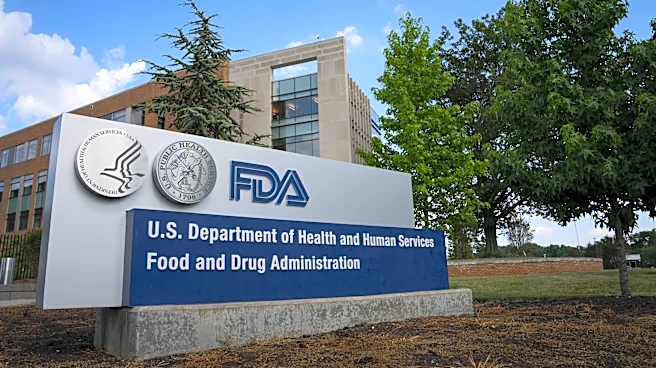
The FDA is currently evaluating whether to allow compounding pharmacies to produce certain peptides, which could impact their availability and regulation. This decision will likely influence the market for peptide injectables, potentially leading to increased scrutiny and regulation. As the science behind peptides continues to develop, there may be more research into their efficacy and safety, which could inform future guidelines and consumer practices. Stakeholders in the wellness and aesthetics industries will need to adapt to any regulatory changes and continue to educate consumers about the benefits and risks of peptide use.
Beyond the Headlines
The peptide trend raises ethical and legal questions about consumer safety and the responsibility of influencers and companies promoting these products. The lack of regulation in the grey market for peptides highlights the challenges of ensuring product safety in rapidly evolving wellness trends. Additionally, the cultural shift towards regenerative treatments reflects changing consumer values, prioritizing natural and holistic approaches to health and beauty. This trend may influence future developments in the wellness industry, as companies seek to align with consumer preferences for safer and more effective products.