



What's Happening?
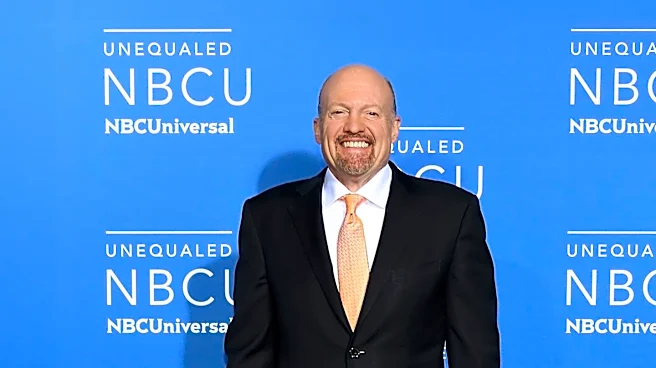
Jim Cramer, host of CNBC's "Mad Money," issued a warning on November 19, 2026, stating that the market is "destroying savings for the many faster than it’s creating it for the few." He acknowledged that the market had entered a bear market, describing
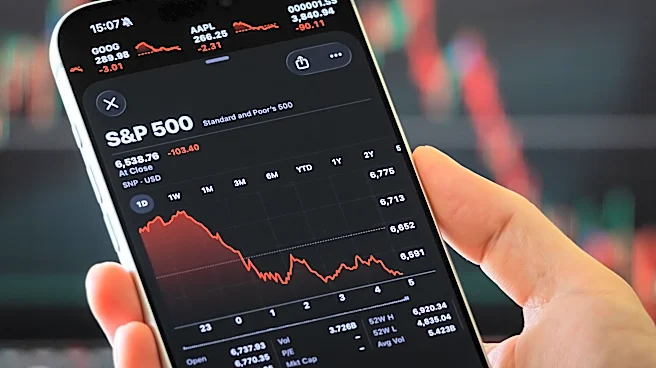
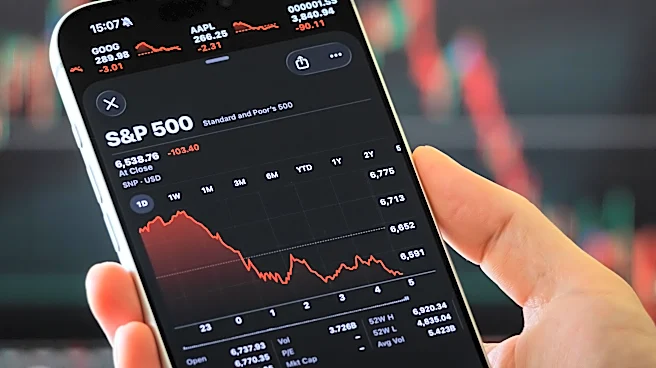
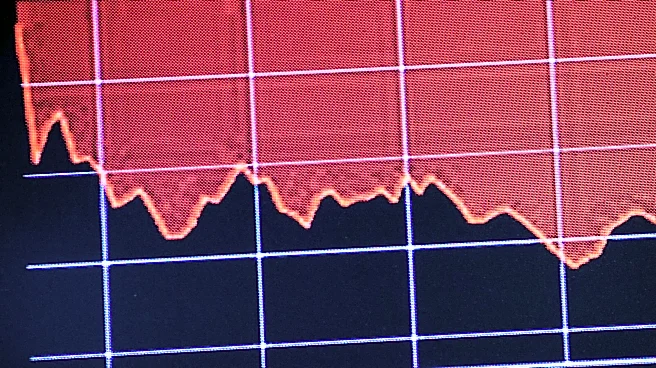
the dynamic as "a very unhealthy relationship." This concern was amplified by significant market declines in the days following his broadcast. The S&P 500 fell 8.56% in the week ending November 20 and 10.77% over the past month. The Nasdaq 100 experienced an even sharper drop, falling 10.51% for the week and 16.1% for the month, pushing it into negative territory for 2026. News coverage attributed this plunge to a deepening tech selloff, particularly as the AI trade began to unravel. Cramer highlighted that major indexes, being market-value weighted, can be skewed by a few large companies, masking the underperformance of most stocks.
Why It's Important?
Cramer's warning underscores a critical issue for a significant portion of the American population, particularly retirees. Americans aged 70 and older hold approximately 40% of household stock and fund shares, making them highly vulnerable to market downturns. In contrast, those under 40 hold only 6%. When the market declines, retirees who need to sell shares to cover living expenses are forced to do so at low prices, locking in permanent losses. This situation can severely impact their financial security and retirement plans. The disparity in market performance, where a few large companies drive index gains while most stocks lag, means that many investors, even those in diversified index funds, are heavily exposed to the volatility of these concentrated winners. This dynamic can erode the savings of typical households, especially given that the median Vanguard plan balance in 2024 was significantly lower than the average, leaving many with a smaller cushion against market drawdowns.
What's Next?
The immediate future suggests continued vigilance for investors, particularly those nearing or in retirement. The ongoing tech selloff and the broader bear market conditions indicate that further volatility could be expected. Retirees and those with significant market exposure may need to reassess their financial strategies, potentially focusing on maintaining a cash buffer to avoid selling into further declines. Financial advisors might emphasize the importance of understanding portfolio concentration and true diversification beyond headline index numbers. The market's current trajectory could also prompt discussions among policymakers and financial institutions regarding investor protection and the impact of market structures on individual savings. The emphasis on a "very unhealthy relationship" suggests a need for broader market stability to protect the financial well-being of a larger segment of the population.
Beyond the Headlines
The deeper implications of Cramer's warning extend beyond immediate financial losses, touching upon societal equity and the long-term sustainability of retirement savings. The concentration of market gains among a few large companies, while beneficial for some, creates a fragile system where the majority of investors, especially those with less capital, bear a disproportionate risk during downturns. This situation highlights a potential widening of wealth inequality, as those with substantial holdings in the 'few' winning companies continue to accumulate wealth, while the 'many' see their savings diminish. Ethically, it raises questions about the fairness of a market structure that can rapidly erode the financial security of retirees who have diligently saved over decades. This trend could lead to increased reliance on social safety nets and a re-evaluation of investment strategies that prioritize broad-based growth over concentrated gains, potentially influencing future regulatory discussions on market fairness and investor protection.