
What's Happening?
The modern farmhouse architectural and interior design style is characterized by several distinct features. These include symmetrical shapes, large windows, gable roofs, and covered porches. The exterior often incorporates vertical siding. Inside, the
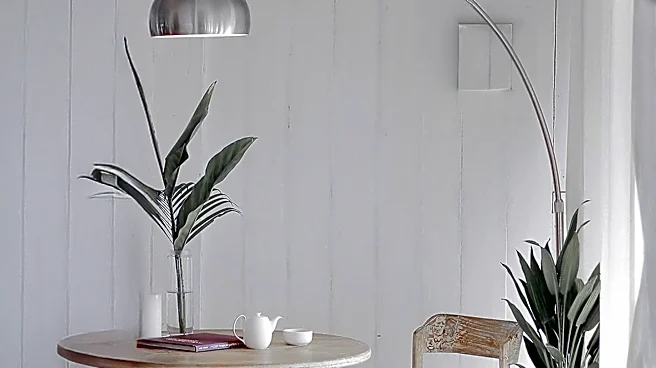
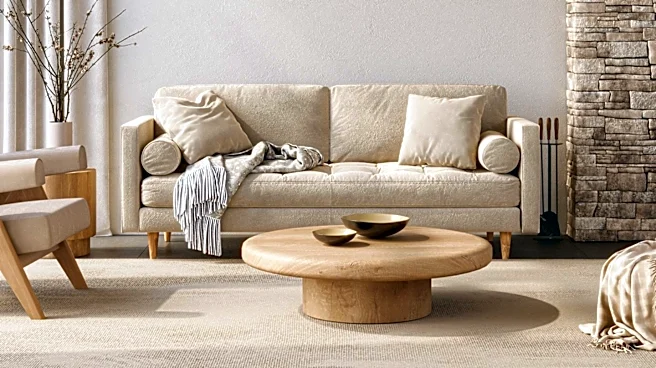
aesthetic leans towards neutral color palettes, predominantly featuring white paint complemented by black accents. An open-plan layout is a common element, designed to foster family interaction and create a bright, airy living space. This style has gained significant popularity due to its timeless appeal, adaptability in decor, and relative affordability compared to more intricate architectural designs. The term 'modern farmhouse' began to circulate widely in 2016, with the New York Times notably using it to describe the work of the interior design firm Jersey Ice Cream Co. Its widespread recognition was further amplified by Chip and Joanna Gaines through their popular show 'Fixer Upper,' solidifying its status as a prominent design trend.
Why It's Important?
The rise of the modern farmhouse style holds significant implications for the U.S. housing market, construction industry, and interior design sector. Its popularity drives demand for specific building materials, such as vertical siding and large window units, influencing manufacturing and supply chains. For real estate, homes designed in this style often command higher interest and potentially higher values due to their broad appeal and perceived timelessness. Homebuilders and developers are increasingly incorporating these elements into new constructions to meet consumer preferences. The style's emphasis on affordability and versatile decor options makes it accessible to a wider demographic, potentially democratizing design trends. Furthermore, the influence of media personalities like Chip and Joanna Gaines highlights the power of television and social media in shaping consumer tastes and driving market trends within the home and lifestyle sectors, impacting everything from furniture sales to architectural planning.
What's Next?
Given its sustained popularity, the modern farmhouse style is likely to continue influencing residential construction and interior design trends in the U.S. We can anticipate a continued integration of its core elements—symmetrical forms, open layouts, and neutral palettes—into new home designs and renovation projects. The market may see further innovations in materials that mimic traditional farmhouse aesthetics while offering modern durability and sustainability. Designers and retailers will likely continue to offer products tailored to this style, from furniture to decorative accents. There might also be an evolution of the style, with designers incorporating new elements or blending it with other emerging trends to keep it fresh and appealing. The ongoing influence of design-focused media will also play a crucial role in how the style adapts and maintains its relevance in the coming years, potentially leading to new interpretations or sub-trends within the broader modern farmhouse aesthetic.
Beyond the Headlines
The widespread adoption of the modern farmhouse style reflects deeper cultural and societal shifts in the U.S. It signifies a yearning for simplicity, comfort, and a connection to traditional values in an increasingly complex and fast-paced world. The style's emphasis on open, communal spaces speaks to a desire for family togetherness and informal living, contrasting with more formal or compartmentalized home designs of the past. Its 'timeless aesthetic' and 'versatile decor options' suggest a consumer preference for designs that offer longevity and adaptability, moving away from fleeting trends. The affordability aspect also points to a practical consideration for many homeowners, seeking aesthetic appeal without exorbitant costs. This trend also highlights the significant impact of media and celebrity endorsement on consumer behavior, demonstrating how popular culture can shape not just fashion or entertainment, but also fundamental aspects of daily life like home design and living environments.