




What's Happening?
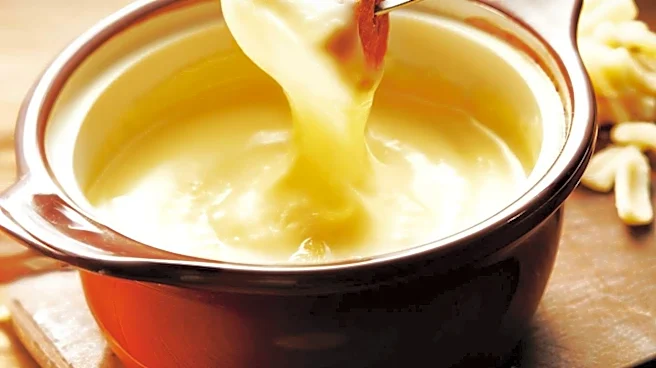
The 1960s marked a significant shift in American culinary trends, blending the convenience foods of the 1950s with a growing interest in international dishes. This era saw the widespread adoption of foods like fondue, casseroles, and Chicken Kiev. Fondue,
a Swiss tradition, gained immense popularity after being featured at the 1964 New York World’s Fair, becoming a fashionable centerpiece for entertaining. Casseroles, often incorporating canned and processed ingredients, remained a staple due to their convenience, with the green bean casserole, created by Campbell’s in 1955, being a prime example. Chicken Kiev, with its disputed origins in French and Eastern European cuisine, also became a popular dish. Additionally, French Onion Dip, initially known as California dip, emerged as a go-to snack after Lipton’s introduced dehydrated onion soup in the early 1950s. Other nostalgic favorites from this period include Swedish meatballs, Chicken à la King, and grasshopper pie, reflecting a diverse and evolving American palate.
Why It's Important?
The culinary shifts of the 1960s reflect broader societal changes in America, including increased exposure to global cultures and a continued demand for convenience in the kitchen. The popularity of dishes like fondue and Chicken Kiev indicates a growing openness among American consumers to international flavors and cooking styles, influenced by events like the World's Fair and television shows such as Julia Child's 'The French Chef.' The enduring presence of casseroles highlights the ongoing impact of processed and convenience foods on American households, shaping meal preparation habits and the food industry. These trends laid the groundwork for future developments in American cuisine, influencing product development, restaurant offerings, and home cooking practices for decades to come. The era also solidified the role of certain brands, like Campbell's, in shaping American dietary norms through their innovative product offerings and recipes.
What's Next?
While the article focuses on historical food trends, the legacy of 1960s cuisine continues to influence modern food culture. Many of these dishes, such as green bean casserole and French onion dip, remain popular, particularly during holidays and social gatherings, demonstrating their lasting appeal. Food manufacturers may continue to offer updated versions of these classic convenience foods, catering to nostalgic consumers while also adapting to contemporary dietary preferences. The enduring interest in retro food trends could also inspire new culinary interpretations in restaurants and home cooking, as chefs and home cooks seek to reinvent or pay homage to these mid-century staples. This ongoing cultural resonance suggests that the culinary innovations and preferences established in the 1960s will likely continue to be revisited and reinterpreted in various forms.
Beyond the Headlines
The food trends of the 1960s offer a fascinating glimpse into the intersection of culture, technology, and daily life in America. The rise of TV dinners and convenience foods reflects a society increasingly valuing efficiency and leisure, aligning with the growing influence of television as a central household fixture. The embrace of international dishes like fondue and Chicken Kiev signifies a broadening of American cultural horizons, driven by increased travel, media exposure, and a post-war globalized outlook. These culinary shifts are not merely about taste but also about evolving social rituals, such as the communal aspect of fondue parties, which fostered new forms of entertainment and social interaction. The era's food choices thus serve as a cultural barometer, illustrating how Americans adapted to new technologies, embraced global influences, and redefined their domestic lives through what they ate.