



What's Happening?
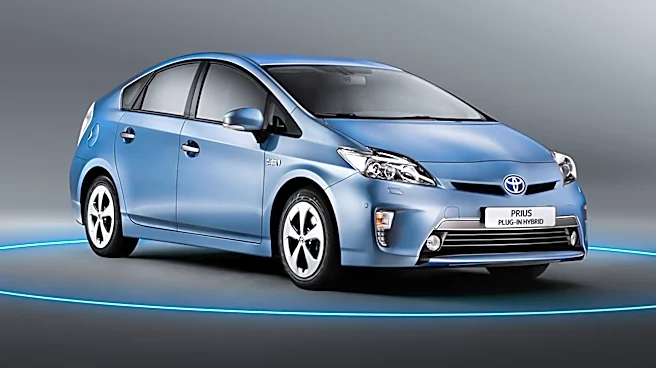
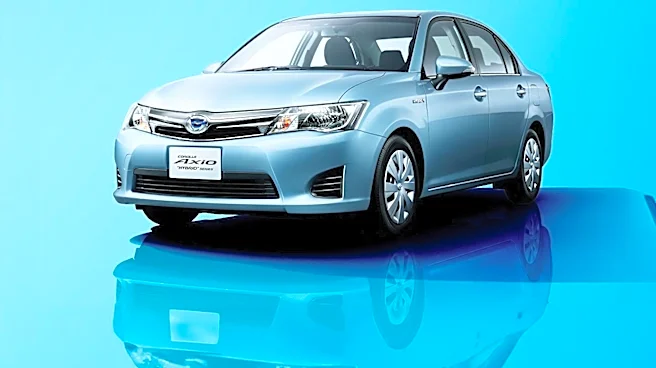
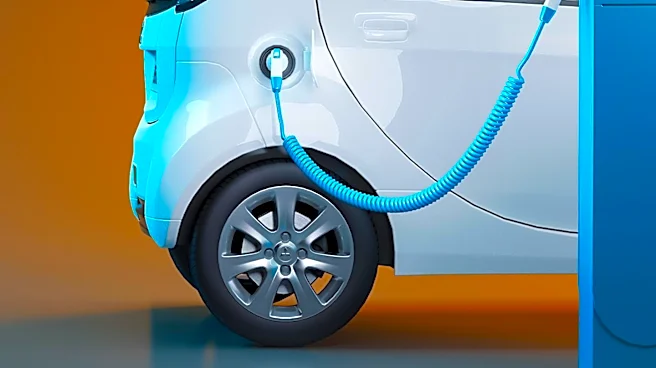
In the second quarter of 2026, hybrid vehicle sales in the U.S. reached a record 16% of light-duty vehicle sales, while battery electric vehicle sales declined to 6%. This shift follows the expiration of federal tax credits for electric vehicles in September
2025, which had previously boosted battery electric vehicle sales to 12% of the market. The decline in battery electric sales marks a continuation of a trend observed since the credits expired. Hybrid vehicles, which do not rely on grid electricity, have gained market share as consumers adjust to the changing financial incentives.
Why It's Important?
The shift in vehicle sales patterns reflects the significant impact of government incentives on consumer behavior and the automotive market. The decline in battery electric vehicle sales highlights the challenges of transitioning to a more sustainable transportation sector without supportive policies. The rise in hybrid vehicle sales suggests that consumers are seeking alternatives that offer fuel efficiency without the need for charging infrastructure. This trend has implications for energy demand, as hybrid vehicles continue to rely on liquid fuels, affecting the broader energy sector and environmental goals.