








What's Happening?
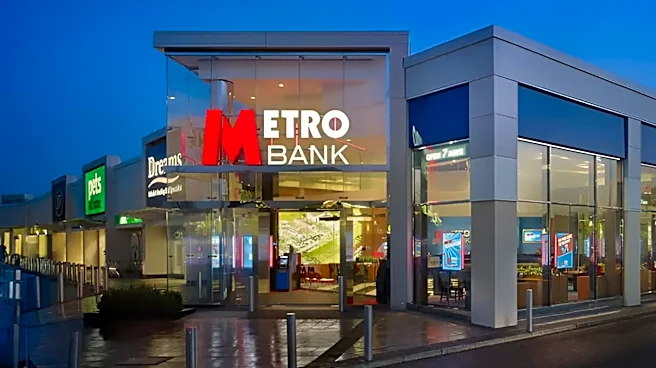
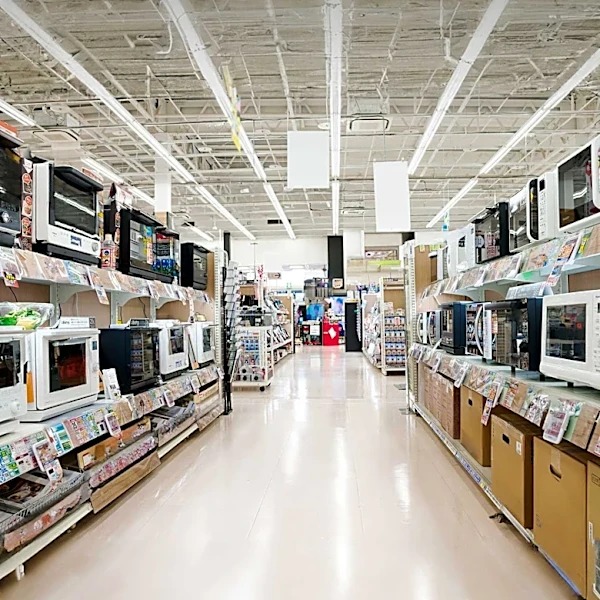
UK retail parks are experiencing a significant space shortage as value-led retailers like Aldi and Lidl continue to expand. According to Savills, available space in retail parks has dropped to 1.8% of total floorspace, with a high demand for units despite
a decrease in letting volumes. The shortage is attributed to a lack of new developments, high construction costs, and a shift in tenant mix towards grocery and discount retailers. Aldi and Lidl are aggressively expanding, with Aldi planning to open 16 new stores and Lidl aiming for over 50 new locations, driven by consumer demand for value and convenience.
Why It's Important?
The space shortage in retail parks highlights a structural imbalance between supply and demand, impacting the retail property market. This trend reflects changing consumer preferences towards value and essential goods, influencing the retail landscape. The expansion of discount retailers like Aldi and Lidl is reshaping the market, increasing competition for available space and driving up property values. This situation benefits landlords but poses challenges for retailers seeking to expand or enter the market. The shift towards grocery and discount retailers also indicates a broader economic trend of consumers prioritizing affordability amid economic uncertainties.
What's Next?
As the demand for retail park space continues to grow, landlords are likely to maintain a strong position, potentially leading to higher rental costs. Retailers may need to engage early or wait for rare lease opportunities to secure desirable locations. The ongoing expansion of Aldi and Lidl could further intensify competition, prompting other retailers to adapt their strategies. The shortage of space may also encourage new developments or the repurposing of existing properties to meet demand. Additionally, the trend towards value-led retail could influence future retail park designs and tenant mixes.