
What's Happening?
The US Open tennis championships are experiencing significant criticism due to an unprecedented number of late-night match finishes, with three matches extending past 2 a.m. and two more past 1 a.m. within
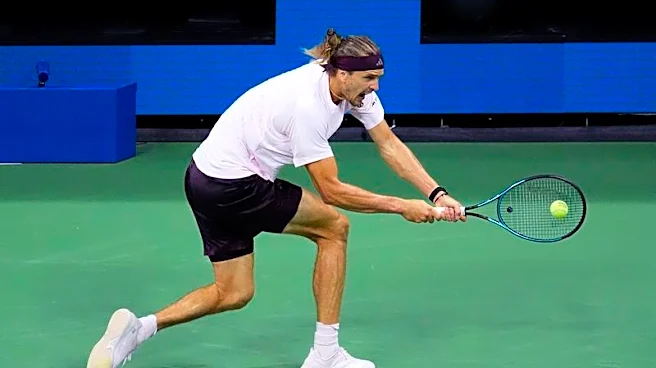
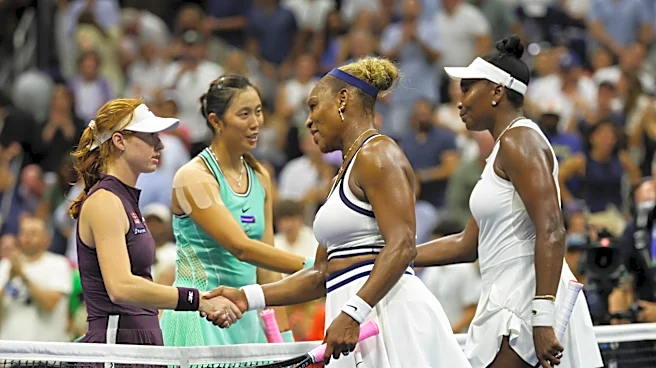
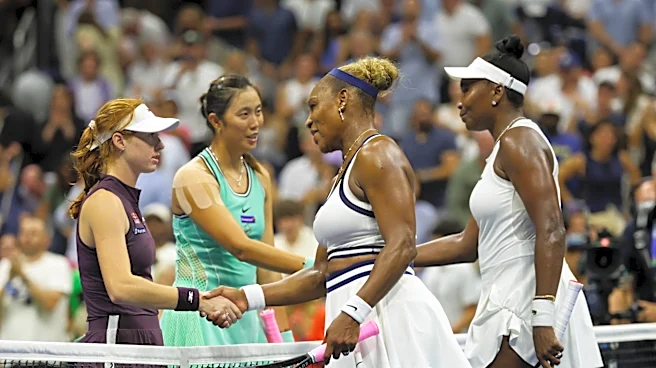
the first six days of the tournament. This trend has led to empty seats in the stands and exhausted players, prompting concerns from athletes like third-ranked Jessica Pegula and Venus Williams. Pegula questioned the appropriateness of players finishing matches at 2 a.m., especially given the impact on their rest and preparation. Venus Williams, who experienced the latest start in US Open history at 12:13 a.m., expressed her preference for earlier match times, noting that such late finishes are uncommon in other sports. Alexander Zverev, another affected player, commented on the widespread fatigue among participants. The tournament's reputation for late matches is being pushed to an extreme this year, with four of the 17 latest finishes in tournament history occurring in the current event.
Why It's Important?
The increasing frequency of late-night matches at the US Open carries significant implications for player welfare, fan experience, and the tournament's scheduling integrity. For players, consistently finishing matches in the early morning hours disrupts their sleep cycles, recovery, and overall performance, potentially increasing the risk of injury and affecting the quality of play in subsequent rounds. This can also impact their ability to maintain peak physical and mental condition throughout a demanding Grand Slam tournament. From a fan perspective, late finishes lead to decreased attendance in the final hours of matches, as many spectators are unable or unwilling to stay. This diminishes the vibrant atmosphere that the US Open is known for, particularly during night sessions. The issue also highlights a tension between broadcast and television scheduling demands, which often prioritize prime-time viewing slots, and the practical realities of live sporting events, especially in tennis where match durations are unpredictable. The pushback from prominent players underscores the severity of the problem and could lead to calls for significant changes in future tournament scheduling.
What's Next?
The ongoing criticism from players and the media regarding late-night finishes at the US Open is likely to prompt a reevaluation of the tournament's scheduling practices. While the US Open has historically been known for its night matches, the current extreme schedule may necessitate adjustments to prioritize player health and fan engagement. Tournament organizers may explore options such as limiting the number of night matches, adjusting start times, or implementing stricter curfews, similar to Wimbledon's 11 p.m. rule or the French Open's single night match policy. The discussion will likely involve balancing the demands of television broadcasters, who seek to maximize viewership during prime time, with the logistical and welfare concerns of athletes. Future US Open tournaments could see revised schedules aimed at preventing matches from regularly extending into the early morning hours, potentially leading to a more structured approach to night sessions to ensure both competitive fairness and a better experience for all stakeholders.
Beyond the Headlines
The debate over late-night finishes at the US Open extends beyond mere scheduling inconvenience, touching upon broader ethical and commercial considerations within professional sports. The prioritization of broadcast schedules and revenue generation over athlete well-being raises questions about the long-term sustainability of such demanding competitive environments. The physical and mental toll on players, who are essentially performing high-intensity labor for extended periods into the early morning, could lead to increased burnout and shorter careers. This situation also highlights the evolving relationship between sports and media, where the desire for global viewership and lucrative television contracts often dictates the flow of events. The empty seats during late finishes symbolize a disconnect between the commercial aspirations of the tournament and the practical realities for its audience. Addressing this issue effectively will require a holistic approach that considers not only the immediate impact on players and fans but also the broader implications for the integrity and appeal of professional tennis as a whole, potentially setting a precedent for other major sporting events.