





What's Happening?
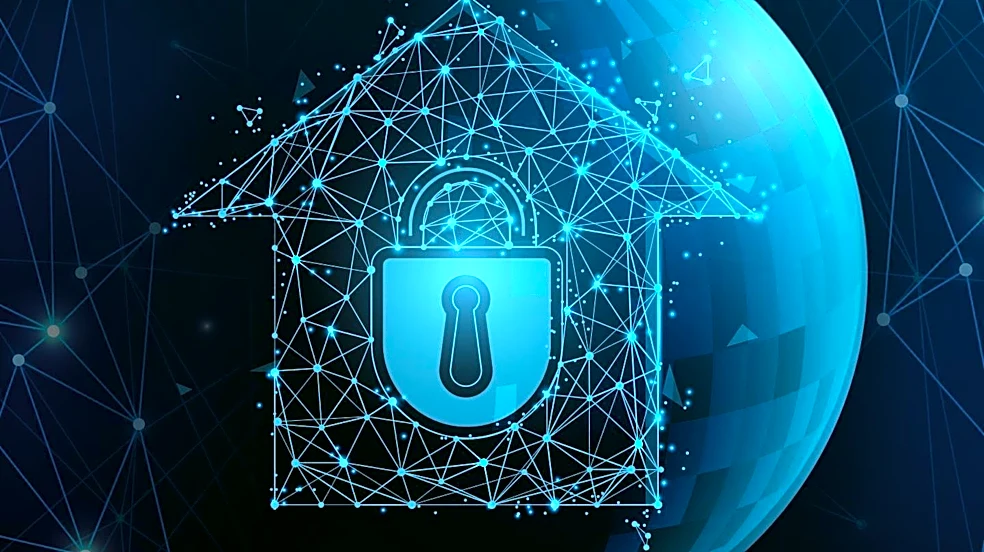
A recent study by Parks Associates, titled 'Home Security in Transition: The Future of Protection,' indicates a notable shift in the demographic of home security system owners. The study, which surveyed 8,000 U.S. internet households, found that 37% of individuals
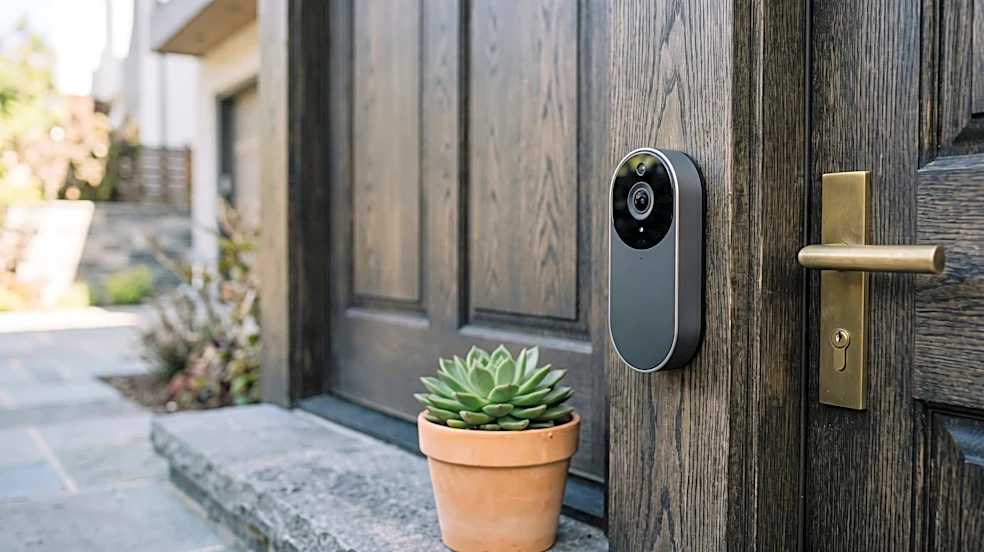
who acquired a security system within the last year are renters. This figure represents a substantial increase compared to just 8% of owners who purchased their systems over six years ago. This trend coincides with an overall expansion of the security market, with 37% of U.S. internet households now owning a security system, up from 31% in 2022. Additionally, 12% of households own a security camera or video doorbell without a full security system, an increase from 7% in 2022. The report also highlights that 36% of households subscribe to a paid security service, including professional monitoring. The entry of major technology companies like Apple into the smart home security market, through collaborations such as with LG for cameras and ADT for installation, is further influencing this evolving landscape.
Why It's Important?
This shift towards renters adopting home security systems signifies a crucial market opportunity for security providers and has broader implications for the U.S. housing and technology sectors. Traditionally, home security has been marketed primarily to homeowners, but the growing renter segment presents a new customer base. This demographic often seeks more flexible, portable, and affordable security solutions, which could drive innovation in product design and service models. For instance, the demand for property-supported security offerings and flexible service agreements could lead to new partnerships between security companies and multifamily property owners. The increased adoption of standalone security cameras and video doorbells also creates new entry points into the broader home security market, potentially leading to future upgrades to full systems. The involvement of tech giants like Apple, with their extensive consumer reach and ecosystem, is likely to intensify competition and accelerate the development of integrated smart home security solutions, benefiting consumers with more choices and advanced features.
What's Next?
The home security market is expected to continue its evolution, with providers likely focusing on tailoring products and services to meet the specific needs of renters. This could include the development of more portable security devices, easier installation processes, and flexible monitoring plans that accommodate transient lifestyles. The growing trend of standalone security cameras and video doorbells suggests that companies will continue to offer these as entry-level security solutions, potentially bundling them with upgrade paths to more comprehensive systems. The entry of major players like Apple is anticipated to drive further innovation and competition, potentially leading to more sophisticated smart home integrations and advanced security features. Security providers may also explore more partnerships with property management companies to offer integrated security solutions as an amenity, creating new recurring revenue streams. The industry will also need to address consumer preferences regarding hybrid monitoring models and new technologies like proactive deterrents and automated detection, as outlined in the Parks Associates study.
Beyond the Headlines
The increasing adoption of home security systems by renters, coupled with the entry of tech giants, points to a broader societal trend towards integrated smart living and heightened personal security awareness. This development could lead to a redefinition of what constitutes 'home security,' moving beyond traditional alarm systems to a more interconnected ecosystem of smart devices. Ethical considerations around data privacy and surveillance will become increasingly prominent as more personal data is collected and processed by these systems. The accessibility of security technology to a wider demographic, including renters, could also contribute to a sense of empowerment and control over personal safety. Furthermore, the emphasis on flexible and portable solutions might influence urban planning and housing development, with future residential units potentially incorporating smart security infrastructure as a standard feature. This shift could also impact insurance markets, potentially leading to new policy structures that account for advanced home security measures in rental properties.