






What's Happening?
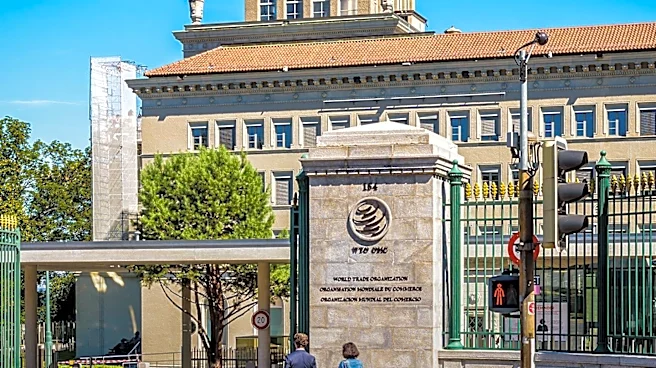
The Center for China and Globalization (CCG) is set to host a roundtable discussion and luncheon on November 7, 2026, in Beijing. The event will commemorate the 25th anniversary of China's accession to the World Trade Organization (WTO). Key speakers
will include Pascal Lamy, former Director-General of the WTO, and Arancha González, Dean of the Paris School of International Affairs at Sciences Po and former Foreign Minister of Spain. The discussion will review China's achievements since joining the WTO in 2001 and explore current opportunities and challenges facing China and the global trading system amidst rising trade protectionism, geopolitical tensions, and pressures on global supply chains. Experts, business leaders, and think tank scholars are expected to participate.
Why It's Important?
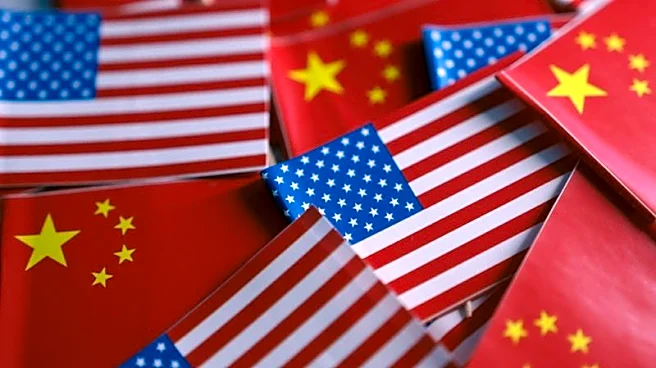
This event is significant for understanding the evolving dynamics of global trade and China's role within it, which directly impacts U.S. economic and foreign policy interests. China's 25 years in the WTO have profoundly reshaped global commerce, creating both opportunities and challenges for the U.S. economy. The discussion will likely touch upon issues such as trade imbalances, intellectual property rights, and market access, all of which are central to U.S.-China trade relations. Insights from figures like Pascal Lamy and Arancha González will offer perspectives on the future of the multilateral trading system, which is critical for U.S. businesses operating internationally and for the stability of the global economy. The forum's focus on trade protectionism and geopolitical tensions reflects ongoing concerns that directly affect U.S. trade strategy and its efforts to secure fair and open markets.
What's Next?
The roundtable discussion is expected to generate analyses and recommendations regarding China's trade policies and the future of the WTO. These insights could inform policy debates in the U.S. and other major trading nations regarding engagement with China and reforms to the global trading system. The event may also highlight areas of potential cooperation or contention in international trade, influencing future bilateral and multilateral trade negotiations. Stakeholders in the U.S., including government officials, business leaders, and trade organizations, will likely monitor the outcomes of this discussion to gauge shifts in global trade sentiment and potential impacts on their strategies.
Beyond the Headlines
Beyond the immediate discussions on trade, this event underscores the broader geopolitical competition and cooperation between major powers. China's integration into the global trading system, facilitated by its WTO membership, has been a defining feature of the 21st century. The anniversary provides an opportunity to reflect on the promises and pitfalls of economic globalization and its impact on national sovereignty and economic security. For the U.S., understanding these dynamics is crucial for navigating its complex relationship with China, balancing economic interdependence with strategic competition. The dialogue will implicitly address the future of global economic governance and whether existing institutions like the WTO can adapt to new geopolitical realities and technological advancements.