






What's Happening?
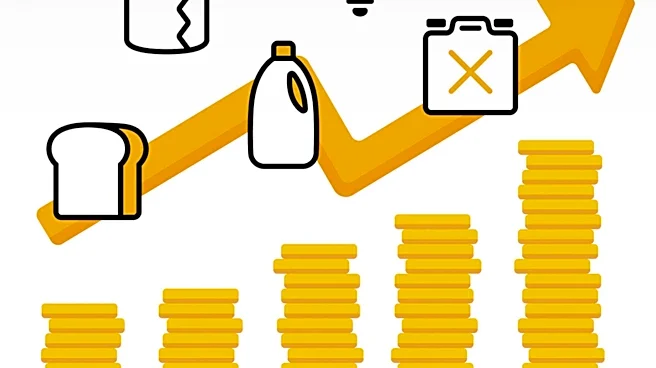
Toy prices in the U.S. have experienced their largest seasonally adjusted monthly increase in 49 years, jumping 4.2% in a single month, according to the Bureau of Labor Statistics’ September Consumer Price Index report. Over the past 12 months, toy prices have climbed
6.6%, nearly double the overall inflation rate of 3.7%. This surge is attributed to two primary pressures: import tariffs on goods from China, which manufactures most toys sold in the U.S., and rising energy costs. Higher oil prices are impacting plastics, packaging, manufacturing, and transportation, further contributing to increased expenses for the toy industry. Manufacturers like Mattel and Hasbro, along with retailers such as Walmart, Target, and Amazon, face the dilemma of absorbing these rising costs or passing them on to consumers.
Why It's Important?
The significant increase in toy prices directly impacts American families planning for Christmas 2026, requiring them to allocate larger budgets for holiday gifts. This trend exacerbates broader inflationary pressures already affecting household expenses for groceries, electricity, and gasoline. For retailers and manufacturers, the rising costs present a challenging environment. They must balance maintaining competitive pricing to attract holiday shoppers with protecting profit margins. The situation highlights the vulnerability of industries heavily reliant on imports from countries subject to tariffs and susceptible to global energy price fluctuations. This could lead to reduced consumer purchasing power for discretionary items and potentially shift consumer spending habits during the critical holiday season.
What's Next?
As the holiday shopping season progresses, consumers are advised to establish gift budgets early and compare prices across retailers to mitigate the impact of rising toy costs. Retailers are likely to engage in aggressive competition for holiday shoppers, potentially offering discounts despite increased merchandise costs, which could further squeeze profit margins. Investors will be closely monitoring holiday unit sales and profit margins rather than just revenue growth to assess the true performance of companies in the toy and retail sectors. The Toy Association has noted that toys represent a significant portion of Chinese imports potentially eligible for preferential tariff treatment under a proposed trade framework, but regulatory steps are still required for implementation, meaning immediate relief from tariffs is not guaranteed.
Beyond the Headlines
The surge in toy prices reflects a deeper economic narrative where geopolitical trade policies and global commodity markets directly influence everyday consumer goods. The reliance on China for toy manufacturing exposes the industry to trade tensions and tariff policies, illustrating the interconnectedness of global supply chains. Furthermore, the impact of rising energy costs on various stages of production and distribution underscores the broad economic ripple effects of energy market volatility. This situation could prompt a re-evaluation of supply chain diversification strategies by manufacturers and retailers to reduce dependency on single regions or mitigate the impact of specific trade policies. It also brings into focus the ongoing debate about who ultimately bears the cost of tariffs – consumers, manufacturers, or retailers – and the long-term implications for domestic industries and consumer spending patterns.