

What's Happening?
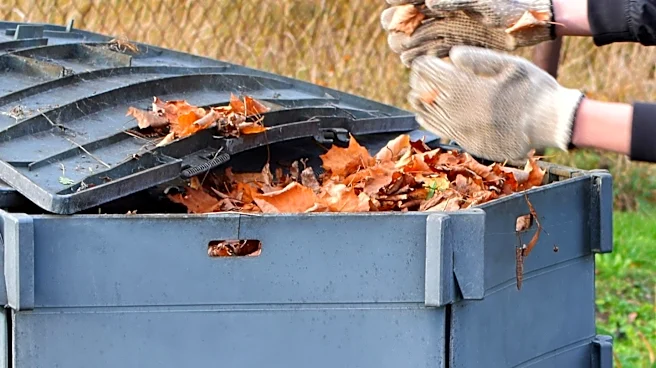
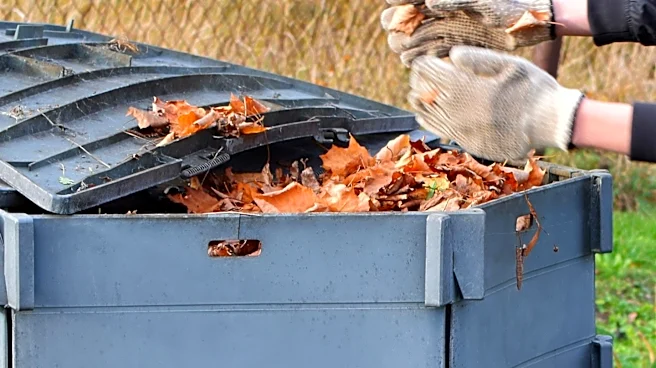
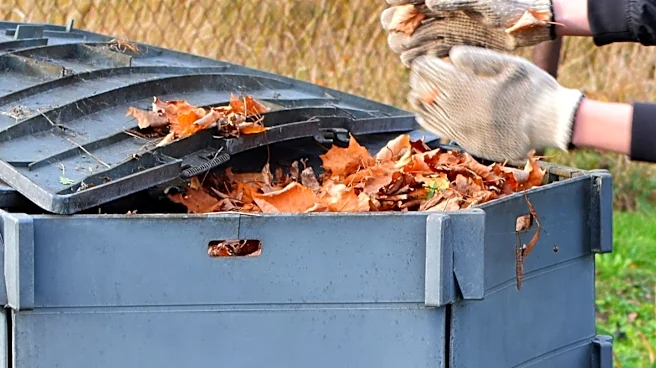
Composting at home involves starting with a layer of coarse materials for airflow and then alternating layers of nitrogen-rich 'green' materials (like eggshells, fruit, and vegetable scraps) with carbon-heavy 'brown' materials (such as dried leaves and shredded
cardboard). For hot composting, maintaining temperatures between 140 and 160 degrees Fahrenheit is crucial to kill pathogens. Eggshells, when cleaned to reduce salmonella risk, can be added to compost to enrich soil with calcium, magnesium, and potassium. The U.S. Environmental Protection Agency (EPA) recommends against adding whole eggs, meat, dairy, or greasy foods to compost piles to avoid attracting pests and odors, though these can be processed in hot composting systems or anaerobic methods like Bokashi. Composting is recognized as an effective method for waste reduction, with organic materials making up approximately 30% of landfill waste, and is considered nature's way of recycling.
Why It's Important?
Composting plays a vital role in environmental sustainability by diverting organic waste from landfills, where it decomposes anaerobically to produce methane, a potent greenhouse gas. By transforming food scraps and yard waste into nutrient-rich compost, this practice significantly reduces greenhouse gas emissions and creates a valuable soil amendment. The finished compost improves soil structure, increases water retention, and provides essential nutrients for plant growth, reducing the need for chemical fertilizers. This is particularly important for home gardeners and urban farmers seeking to enhance soil health and promote sustainable food production. The distinction between hot and cold composting, and the suitability of different materials, highlights the importance of proper technique to maximize benefits and avoid issues like pests and odors, ensuring the process is effective and environmentally sound.
What's Next?
As awareness of composting benefits grows, there is an increasing emphasis on both individual and community-level initiatives. Educational efforts will likely continue to promote best practices for home composting, including proper material selection and temperature management for hot composting. For those unable to compost at home, the expansion of municipal and private food scrap collection services will become increasingly important. Further research and development in composting technologies, such as advanced anaerobic digestion systems, may offer more efficient ways to process a wider range of organic waste, including items currently discouraged in home compost piles. Policy initiatives, like California's efforts to divert organic waste from landfills, are expected to drive broader adoption of composting practices across the nation.
Beyond the Headlines
The act of composting extends beyond simple waste management; it fosters a deeper connection to natural cycles and resource stewardship. By actively participating in composting, individuals and communities engage in a tangible form of environmental action, transforming what was once considered waste into a valuable resource that nourishes the earth. This practice also encourages a more mindful approach to consumption and waste generation, prompting reflection on food waste and its environmental impact. The ethical dimension of composting lies in its potential to reduce ecological footprints and contribute to a healthier planet for future generations. Furthermore, the use of compost in gardening and agriculture can lead to more resilient ecosystems, improved biodiversity, and a reduction in reliance on industrial agricultural inputs.